Pathogenos

Science, Microbes, and Latinos

Science = Power

Why care

Pathogenos

About Me

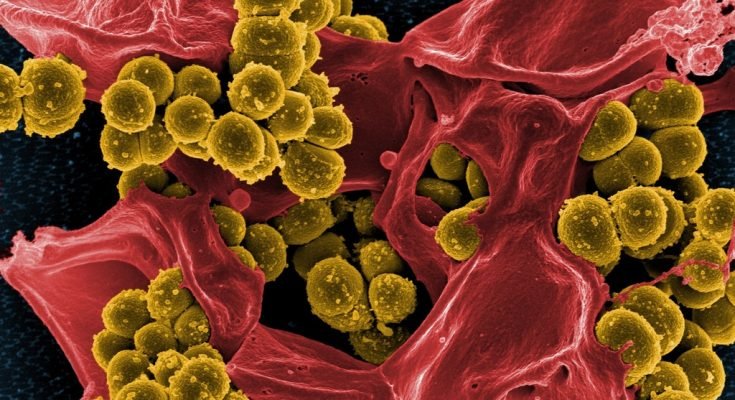
bacterial pathogen
picture of newsjournal
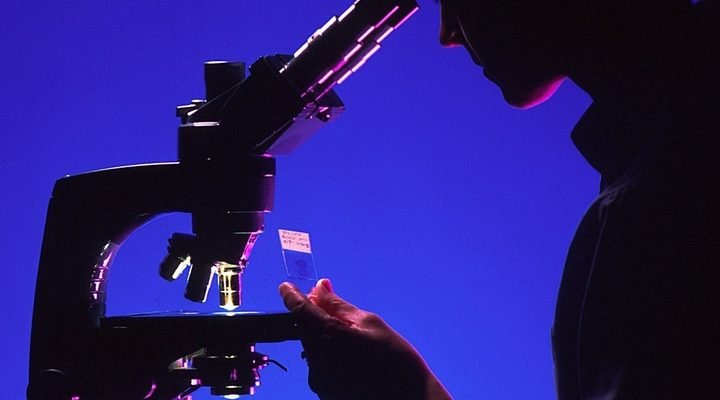
female scientist

The name Pathogenos comes from the Greek word pathos (suffering or disease) and genes (to produce). In this sense, a pathogen is a disease-producing microorganism, often invisible to the eye but capable of having devastating effects.

These microbial villains have shaped global health in profound ways, especially in Latin America

Between 2000 and 2019, six major groups of non-communicable diseases, i.e., cardiovascular disease, cancer, respiratory disease, diabetes, neurological conditions, and mental and substance use disorders, accounted for 77% of all deaths and 63% of all disability in the Americas, according to the Pan American Health Organization.

But what’s often overlooked is this: pathogens can cause, worsen, or increase the risk for all six of these conditions.

Helicobacter pylori and cytomegalovirus seropositivity have been linked to a sixfold increase in heart attack risk. Infections cause 15–20% of all cancers globally, with higher rates in low- and middle-income countries. Bacterial and viral pathogens are the leading cause of community-acquired pneumonia and lower respiratory infections. Viral infections have been associated with type 1 diabetes and autoimmune conditions like multiple sclerosis (e.g., Epstein-Barr Virus).

Despite decades of scientific progress, much of the public remains unaware, uninformed, or unable to understand the science behind these connections. This knowledge gap contributes to rising distrust in science.

In a 2023 Pew Research survey, only 49% of Hispanic adults believed science has a mostly positive effect on society. Even more concerning, strong confidence in medical scientists dropped from 45% in April 2020 to just 29% by early 2022.

But there is hope: the majority still holds some level of trust in science and scientists.

 

Pathogenos.com is a science communication and public health blog focused on infectious diseases, virology, and epidemiology in Latin America.

Our goal is to make complex science clear, accurate, and accessible to everyone, from students and healthcare workers to families and curious minds.

At Pathogenos, we believe knowledge saves lives. That’s why we work to bridge the gap between science and society, promote public trust, and encourage evidence-based decision-making.

 If This Were a Marvel Movie…

Pathogens would be the villain. Scientists and healthcare professionals are the heroes building tools (vaccines, drugs, and diagnostics) to stop them. But without the public’s understanding, the battle is incomplete.

That’s where Pathogenos comes in, to help civilians understand the battle, and even join the fight with knowledge as their superpower.

Our Mission

At Pathogenos.com, our mission is to share crucial, easy-to-understand research about viruses and bacteria pathogens that can empower Hispanic and Latino communities to protect their health and improve thier quality of life.

Hola! I’m Stephanie Leon Quinonez (B.S., MSc), the creator of Pathogenos.com. I’m a PhD candidate in molecular medicine, and when I’m not troubleshooting experiments, I’m translating scientific research into everyday language.

I’ve spent over 10 years researching pathogens, from  Mycobacterium tuberculosis to human cytomegalovirus, and the last 4+ years focusing on improving our natural, rapid immune responses( innate immunity) against viral infection.

As my last name suggests, I am indeed a proud Hispanic/Latina. I have deep love for my culture and deep gratitude for the opportunities higher education has given me. As I advance in my career, I feel a growing responsibility to give back to my community. Pathogenos is one of the ways I’m doing that.

Through this blog, I aim to bridge the gap between science and society, amplify awareness around pressing public health issues, and help readers make informed decisions based on evidence, not fear.

Whether you’re a student, a public health worker, or just someone curious about the microbial world around you, I welcome you to Pathogenos.

Let’s dive in.