

What Happens to Your Blood Sample During a Dengue Test?
What happens to your blood sample after a dengue test? Learn how RT-PCR detects dengue virus, why it’s most accurate during the first week of illness, and why timing is critical for diagnosis.
Explore current dengue virus research in Latin America, focusing on rising case numbers, vector control challenges, vaccine development, and public health responses amid record-breaking outbreaks.
What happens to your blood sample after a dengue test? Learn how RT-PCR detects dengue virus, why it’s most accurate during the first week of illness, and why timing is critical for diagnosis.
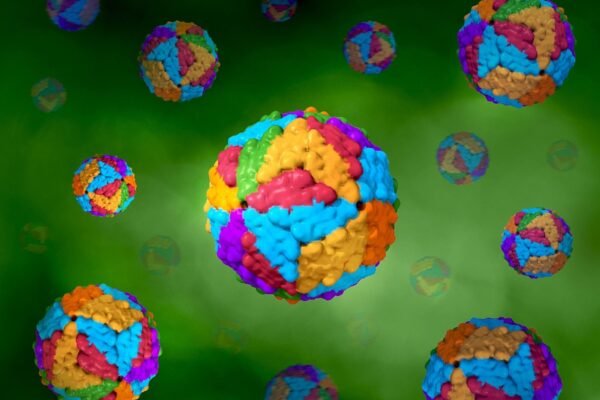
Dengue remains a major public health threat across Latin America in 2026. Explore the latest PAHO outbreak data, affected countries, circulating dengue serotypes, and why health officials continue to emphasize surveillance, mosquito control, and early detection to prevent future epidemics.
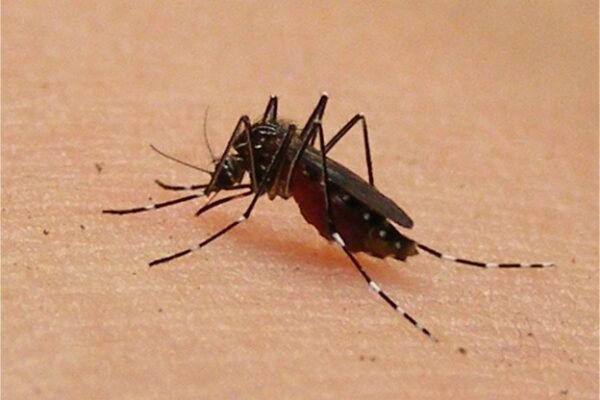
Dengue fever is spreading into new regions in 2026, driven by expanding mosquito habitats and growing outbreaks worldwide. Learn the early dengue symptoms, recognize the warning signs of severe dengue, and discover which regions face the highest risk this year.
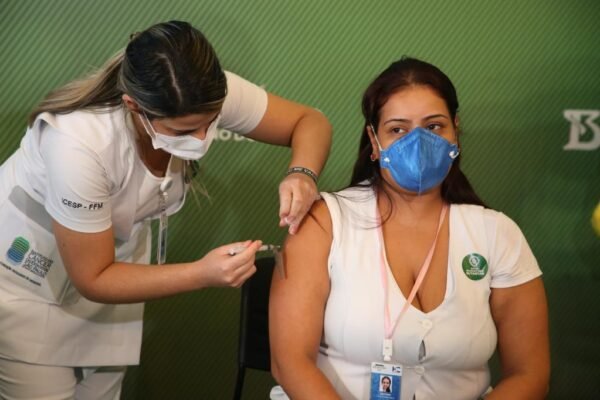
Latin America faces rising dengue cases driven by climate and vector spread. This article explores available vaccines and their uneven distribution across the region.
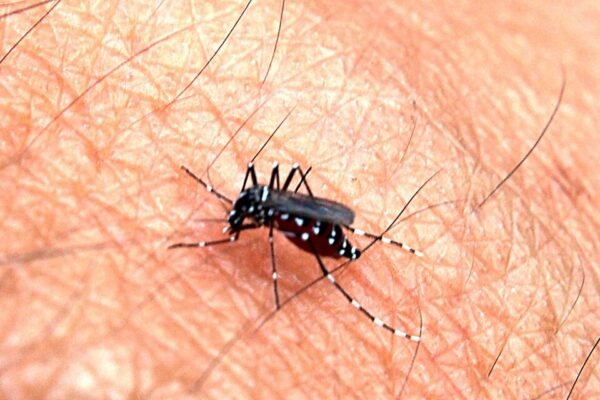
Source: John Ragai from Petaling Jaya, Malaysia via Wikimedia Commons. Highlights • Climate and rainfall patterns predict arbovirus outbreak hotspots• Warmer temperatures accelerate mosquito infection and virus transmission• Environmental data can enable earlier outbreak warnings As Brazil prepares to hold major power and oil auctions in 2026, the country is once again confronting a familiar challenge: how…

Dengue in Puerto Rico is shifting fast. Adults now make up most cases, hospitalizations exceed 50%, and DENV-3 has replaced DENV-1 as the dominant strain. These changes signal a new epidemiologic phase — and may warn of similar outbreaks emerging across Latin America.
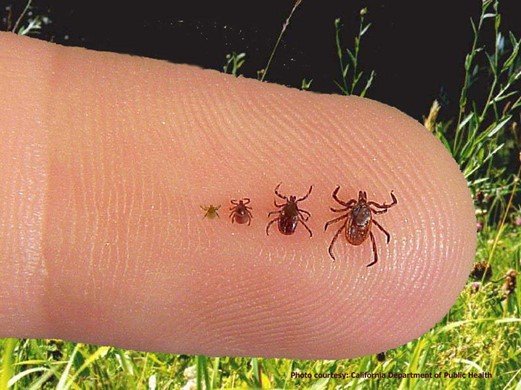
Natural insect repellents are increasingly popular across Latin America, but most offer little real protection. A 2023 study tested plant-based ingredients against mosquitoes and ticks and found that only a few—cinnamon oil, clove oil, and geraniol—provided meaningful, multi-vector repellency. This blog breaks down which natural repellents actually work and what that means for real-world disease prevention.

Natural repellents are widely used across Latin America, but most fail to prevent mosquito bites. New evidence shows only a small number of plant-based ingredients provide real, short-term protection—highlighting the risks of relying on ineffective products.

An 18-year pediatric cohort study from Nicaragua shows that dengue, chikungunya, and Zika symptoms change with age and over the first 10 days of illness. Fever patterns, rashes, and blood markers evolve differently across childhood, revealing diagnostic clues that static symptom checklists often miss. Tracking symptom trajectories over time leads to more accurate differentiation of these infections.
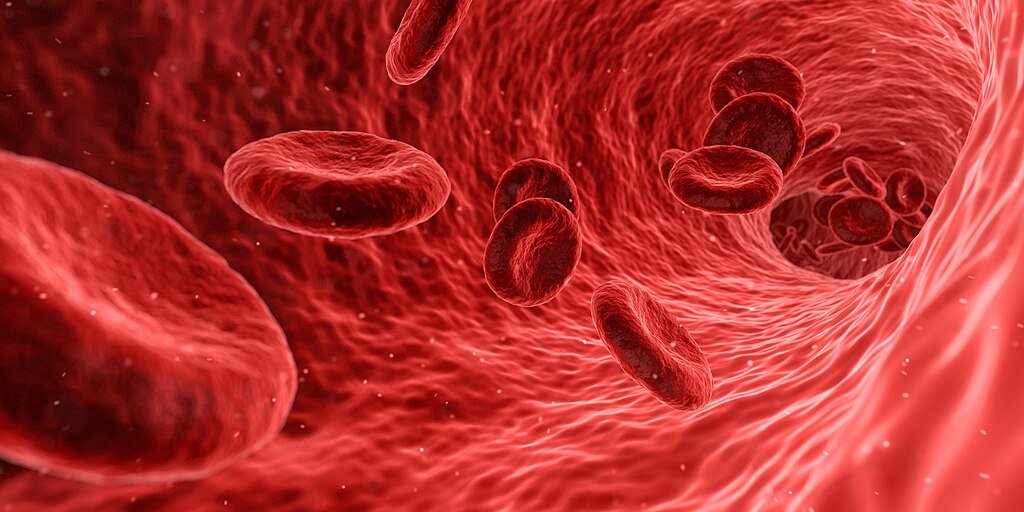
Dengue is not a single disease with a single outcome. While most infections cause a self-limited fever, severe dengue follows a different and far more dangerous path. This article explains the critical differences between dengue fever and dengue hemorrhagic fever, why the highest risk often appears when fever breaks, and how recognizing plasma leakage can save lives.
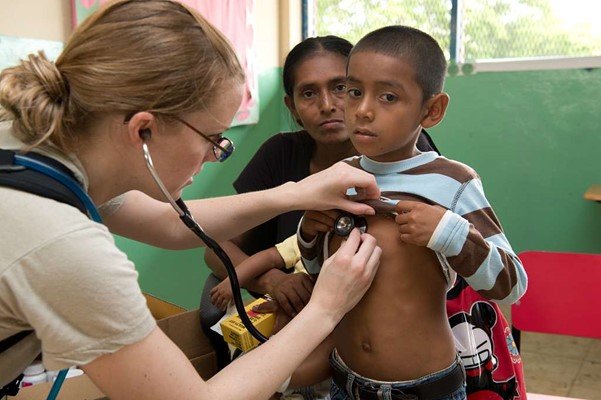
Dengue can occur without fever in children. An 18-year pediatric cohort study from Nicaragua shows that fever-based case definitions miss laboratory-confirmed dengue cases, some of which still display warning signs of severity. These findings reveal a critical blind spot in pediatric dengue surveillance.

Dengue, chikungunya, and Zika often circulate together, but in children they do not behave the same. Drawing on 18 years of pediatric data from Nicaragua, this analysis shows how symptom patterns and simple blood tests, rather than fever alone, can reliably distinguish these infections in real clinical settings.