
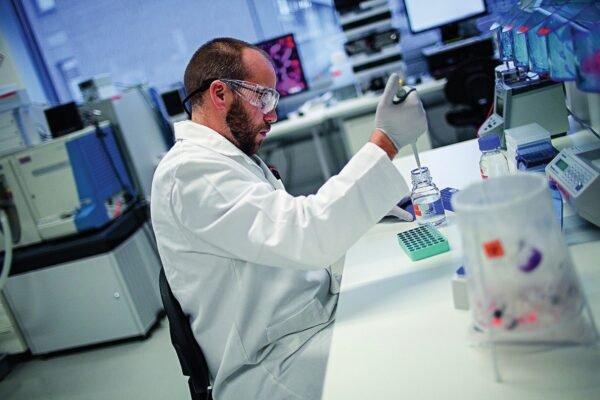
What Happens to Your Blood Sample During a Dengue Test?
What happens to your blood sample after a dengue test? Learn how RT-PCR detects dengue virus, why it’s most accurate during the first week of illness, and why timing is critical for diagnosis.
Inside the Lab explores how infectious disease research actually works — from PCR diagnostics to sequencing, immunology, and outbreak analysis. Each article breaks down lab methods and explains what they mean for public health, clinical care, and real-world disease control across the Americas.
What happens to your blood sample after a dengue test? Learn how RT-PCR detects dengue virus, why it’s most accurate during the first week of illness, and why timing is critical for diagnosis.
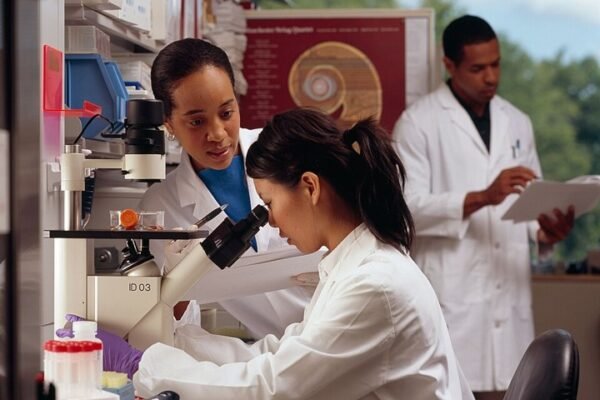
Qualitative research helps explain why people accept, delay, or refuse vaccines. By combining findings from multiple studies, systematic reviews can guide more effective vaccination policies across Latin America.
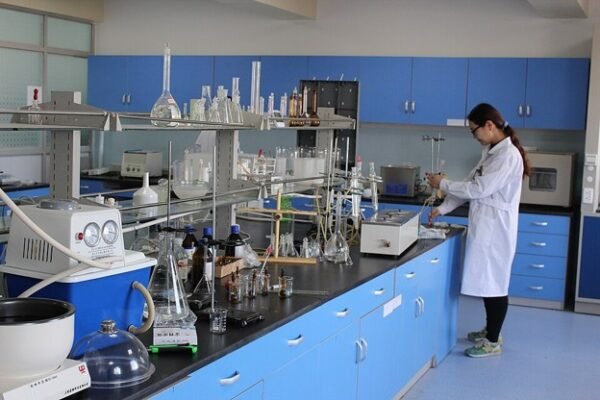
Immunoblotting is a powerful laboratory technique that allows scientists to detect specific proteins involved in infection and immunity. By revealing how viruses interact with human cells, it provides critical insights that drive diagnostics, therapeutics, vaccine development, and public health research.
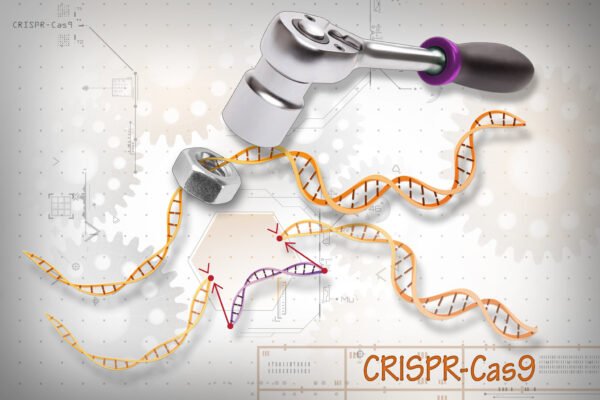
CRISPR diagnostics aren’t replacing Polymerase Chain Reaction yet—but they’re redefining what rapid virus detection can look like. As CRISPR tools advance and gain approval, they are poised to bring faster, more accessible testing closer to the communities that need it most.
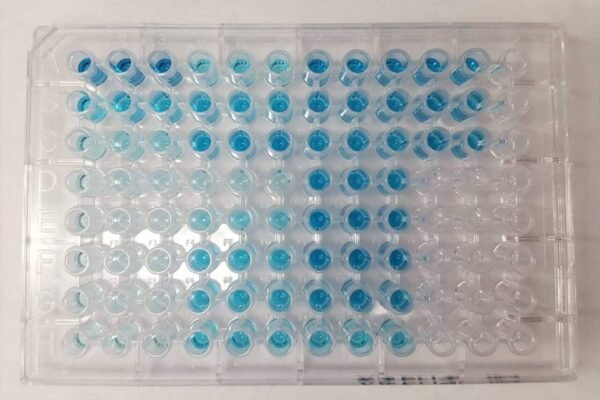
ELISA is a widely used diagnostic tool that detects antibodies or antigens in blood, helping identify infections and track disease spread. By enabling large-scale testing, it plays a critical role in public health surveillance and outbreak response, especially in regions like Latin America.
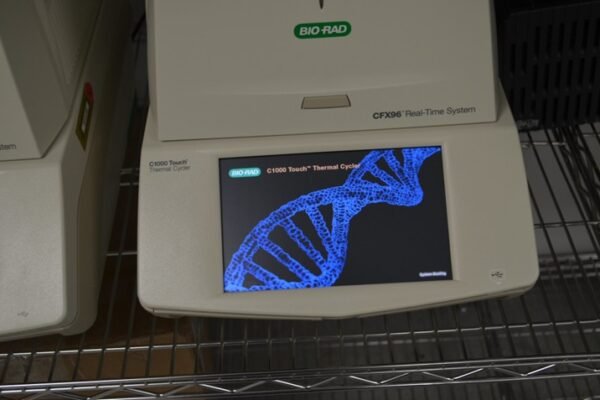
Quantifying viral infection begins at the molecular level. In laboratories around the world, scientists use quantitative PCR (qPCR) to detect tiny amounts of viral genetic material and estimate viral load. This powerful technology allows researchers and clinicians to measure infection in real time and guide both diagnostics and outbreak response.
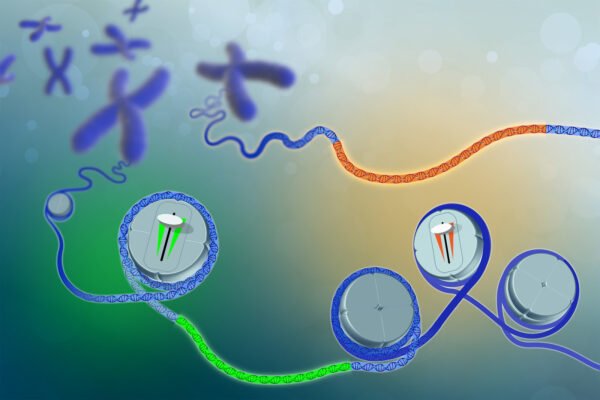
In the lab, scientists don’t ask cells questions — they measure gene expression. By tracking RNA, the messages genes send when they’re active, researchers can see whether cells are fighting infection, responding to treatment, or changing behavior. Techniques like qPCR, RNA sequencing, and single-cell analysis help decode these molecular signals.

Scientists don’t just count cases to detect outbreaks — they use spatial tools to find hidden patterns in disease spread. This article explains how scan statistics work and why univariate and multivariate approaches help reveal outbreak clusters and shared transmission environments across regions.

PCR and antigen tests both detect viruses, but they work in very different ways. PCR amplifies viral genetic material for highly sensitive detection, while antigen tests identify viral proteins for faster results. Understanding when to use each test helps guide diagnosis, screening, and public-health decisions.