Machu Picchu, Peru. Source: Pedro Szekely via Wikimedia Commons.
Highlights
- Antibiotic-resistant H. pylori detected in Peru’s drinking water and biofilms.
- High resistance to amoxicillin and chloramphenicol raises treatment concerns.
- Water systems may act as reservoirs, spreading antimicrobial resistance.
With rising geopolitical tensions between the United States, Iran, China, and Russia, fears of a global nuclear threat feel immediate and visible.
War dominates headlines. We can see it, measure it, and react to it.
But another war is unfolding, and this one is far more silent and just as deadly.
Antimicrobial resistance is an invisible global health crisis, quietly killing over one million people each year since 1990.
Unlike political conflict, this threat spreads unnoticed, embedded in everyday environments and infections.
The Hidden Persistence of H. pylori in Peru
Like most developing countries, Peru is now facing issues left and right.
The countries’ overlapping crises, from political instability to gas leaks and rising temperatures that fuel dengue outbreaks, make it easy to overlook this growing danger.
Yet antimicrobial resistance continues to rise. Each year, it contributes to more than 5,000 deaths in the country alone.
Among the microbes driving this crisis is Helicobacter pylori (H. pylori), a bacterium we frequently examine at Pathogenos and that disproportionally affects Latinos in the U.S. and Latin America.
But why is H. pylori so widespread?
Its success comes from more than just multiple transmission routes and survival tactics. Rising antibiotic resistance now makes H. pylori infections harder to treat and easier to persist.
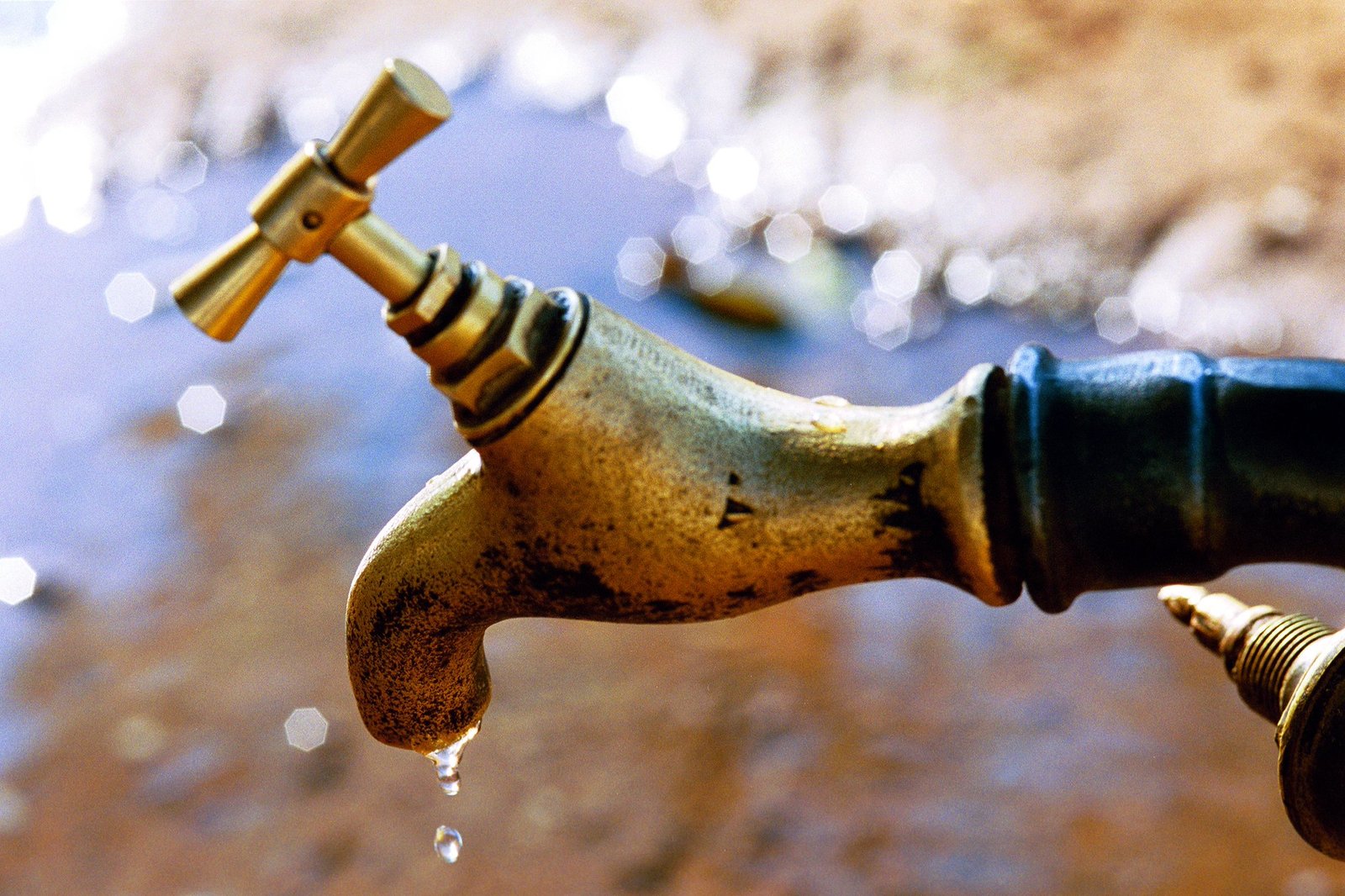
Researchers are increasingly focusing on another overlooked pathway: drinking water. Could contaminated tap water spread antibiotic-resistant H. pylori?
A recent study by María Custodio and colleagues, published in Heliyon, examined tap water from communities in central Peru to detect the presence of H. pylori and antimicrobial-resistant strains.
So, what did they find?
Antibiotic Resistance H. pylori Found in Peru's Drinking Water

Source: Thomas Chauke via Pexels.
In addition to discovering H. pylori presence in drinking water with low chlorine levels and high turbidity, researchers tested whether these waterborne and biofilm-associated strains could resist commonly used antibiotics.
Using a standard lab method called the Kirby–Bauer disk diffusion test, scientists exposed the bacteria to several antibiotics and measured whether the drugs prevented bacterial growth.
The results showed that some of the environmental strains carried clear antibiotic resistance patterns.
High Antibiotic Resistance in H. pylori: Nalidixic Acid, Amoxicillin, and Chloramphenicol
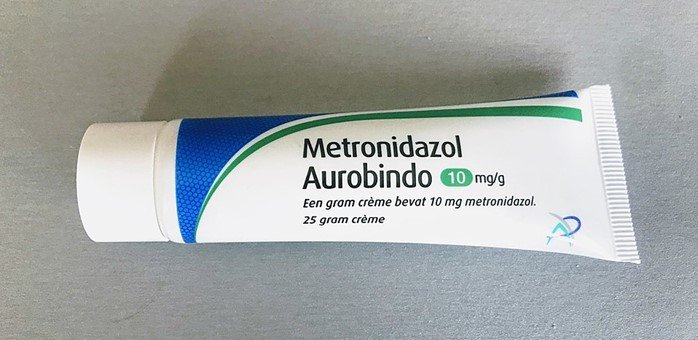
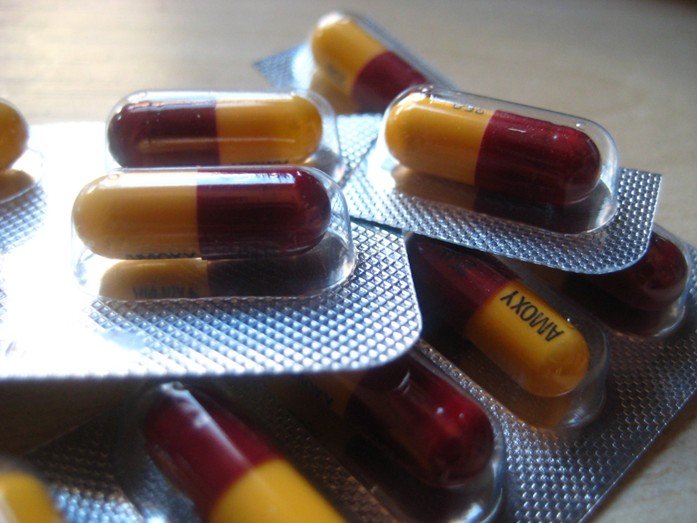
In the Chilca district, 100% of the H. pylori isolates were resistant to nalidixic acid, and 66% were resistant to amoxicillin and chloramphenicol, antibiotics sometimes used in treatment.
Some bacteria also showed partial resistance, meaning the drugs slowed bacterial growth but did not completely stop it.
This occurred in roughly one-third of isolates for amoxicillin, azithromycin, and chloramphenicol, and in two-thirds for tetracycline.
Not all antibiotics failed: ciprofloxacin and gentamicin
Source: Sheep purple via Flickr.
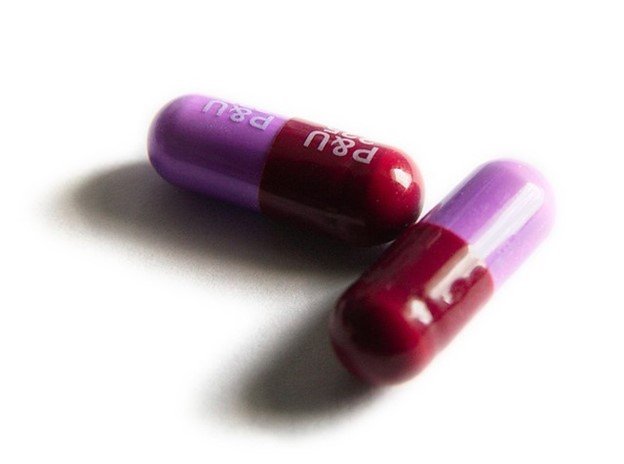
The study found that all isolates remained sensitive to ciprofloxacin and gentamicin, meaning these drugs still blocked bacterial growth in laboratory tests.
However, resistance patterns differed between districts.
In Huamancaca Chico, about 75% of isolates resisted nalidixic acid and 50% resisted amoxicillin, although most still responded to azithromycin, ciprofloxacin, chloramphenicol, and gentamicin.
The researchers also detected resistant strains inside biofilms in household taps, where tetracycline resistance ranged from about 33% to 67%, and nalidixic acid resistance ranged from about 67% to 100%.
Together, these findings show that even when H. pylori appears at low levels in drinking water systems it can still carry multiple antibiotic resistance traits.
Why These Results Matter for Public Health

Source: d.j.a via Flickr.
These findings show that H. pylori detected in drinking-water systems can carry resistance to multiple antibiotics, including drugs commonly used to treat bacterial infections.
In the study, environmental isolates showed high resistance to nalidixic acid and notable resistance to amoxicillin and chloramphenicol.
These results indicate that strains circulating outside the human body may already possess traits that make infections harder to treat.
Sanitation Gaps Can Drive H. pylori Contamination in Water
The presence of antibiotic-resistant H. pylori in drinking water suggests that human antibiotic use and sanitation gaps may drive environmental contamination.
In countries like Peru, where water treatment and aging infrastructure vary, these findings highlight the need for stronger treatment, maintenance, and surveillance.
Water Systems Can Act as Reservoirs for H. pylori

Chilca, Peru. Source: Milagros Aliaga via Wikimedia Commons.
At a global scale, these findings highlight a growing public health threat: water systems can act as reservoirs for antimicrobial resistance, allowing resistant bacteria to persist and spread through human exposure.
Monitoring antibiotic resistance in environmental pathogens like H. pylori is therefore critical for both water safety and global antimicrobial resistance control.
In regions with limited sanitation and water treatment, contaminated drinking water can sustain H. pylori and drive ongoing transmission within communities.
Subscribe to Pathogenos
Get clear explanations of infectious disease research, outbreak trends, and public-health insights delivered to your inbox.
Stay informed on the science shaping global health.