
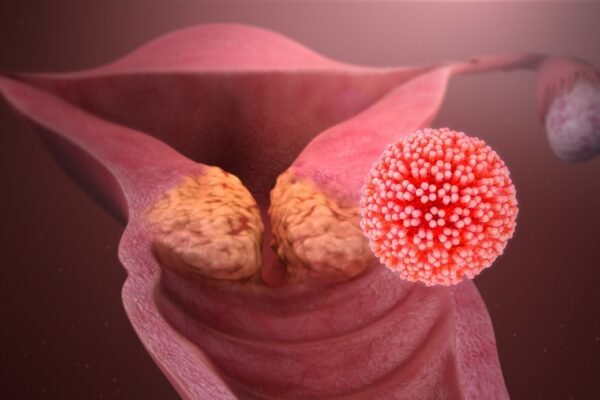
Which Infections Are Fueling Cancer in Latin America?
HPV, *H. pylori*, and other infections contribute to thousands of cancer cases across Latin America. New research highlights the burden—and the opportunities for prevention.
HPV, *H. pylori*, and other infections contribute to thousands of cancer cases across Latin America. New research highlights the burden—and the opportunities for prevention.
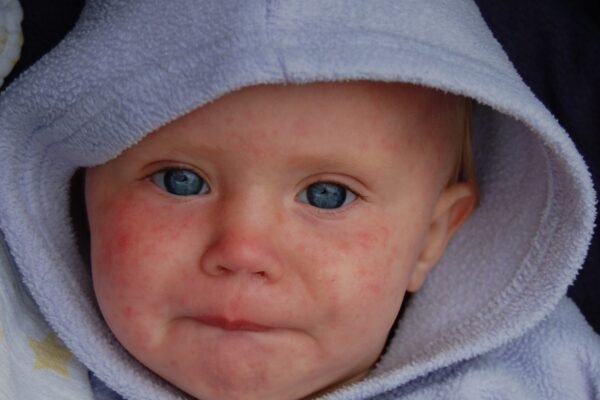
Measles is surging again in Mexico, with nearly 12,000 confirmed cases and 32 deaths. The outbreak reveals widening immunity gaps driven by low vaccination coverage, healthcare inequalities, and disruptions to routine immunization—and serves as a warning that measles elimination cannot be taken for granted.
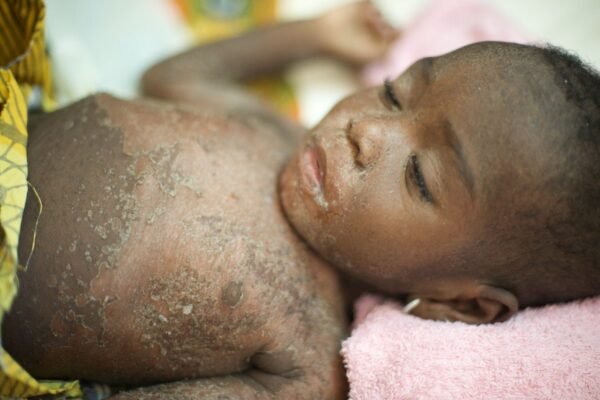
Measles is resurging across the Americas, with nearly 23,000 confirmed cases reported in 2026. Here’s what the latest PAHO data reveal about the outbreak and why vaccination remains our strongest defense.

Qualitative research helps explain why people accept, delay, or refuse vaccines. By combining findings from multiple studies, systematic reviews can guide more effective vaccination policies across Latin America.
A review of 56 studies reveals that vaccine hesitancy in Latin America is influenced by much more than misinformation. Trust in healthcare providers, cultural beliefs, access to vaccination services, and clear communication all shape vaccine decisions, offering valuable lessons for improving immunization coverage across the region.
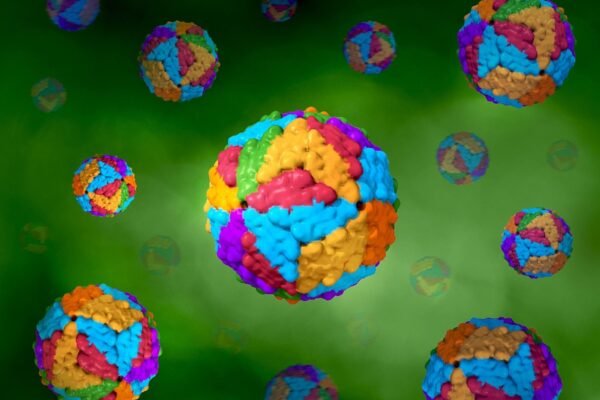
Dengue remains a major public health threat across Latin America in 2026. Explore the latest PAHO outbreak data, affected countries, circulating dengue serotypes, and why health officials continue to emphasize surveillance, mosquito control, and early detection to prevent future epidemics.

Hantavirus cases are rising across Latin America due to environmental change, rodent exposure, and climate shifts. Learn the symptoms, risks, and prevention strategies.
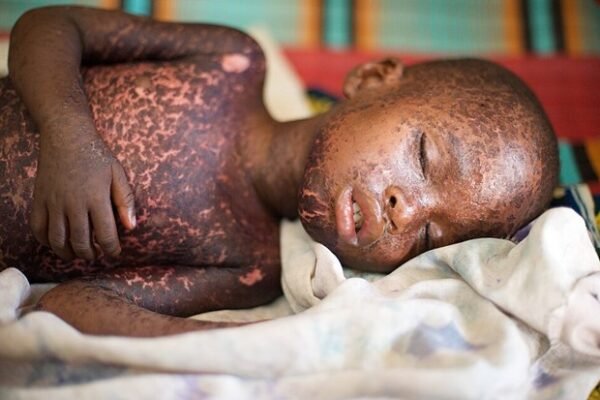
Measles cases are rising across Latin America in 2026 as vaccination rates decline. Learn how misinformation, migration, and health system challenges are fueling outbreaks.
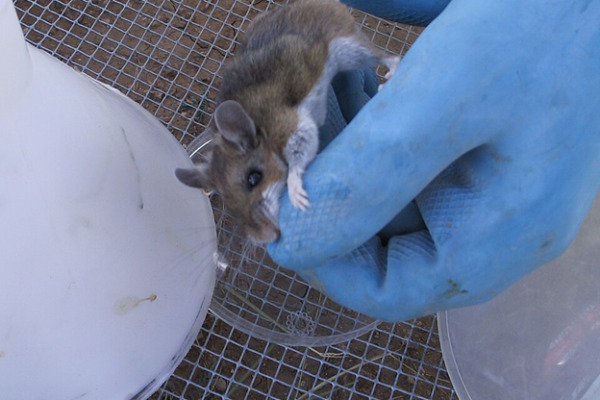
A rare Andes hantavirus outbreak aboard a cruise ship has drawn global attention after multiple deaths and confirmed human-to-human transmission. Here is what the outbreak means for public health, travel, and Latin America.

Helicobacter pylori can survive beyond the human stomach by entering a dormant state and forming protective biofilms in water systems. This hidden persistence raises new concerns for drinking water safety and disease transmission in Latin America.

Is your drinking water safe? Antibiotic-resistant H. pylori may spread through tap water via wastewater contamination and biofilms, posing an overlooked health risk.

Antibiotic-resistant H. pylori has been detected in Peru’s drinking water, raising concerns that water systems may act as hidden reservoirs for infection and antimicrobial resistance.