
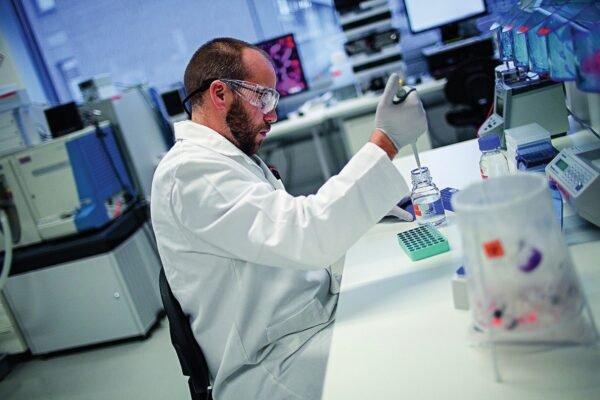
What Happens to Your Blood Sample During a Dengue Test?
What happens to your blood sample after a dengue test? Learn how RT-PCR detects dengue virus, why it’s most accurate during the first week of illness, and why timing is critical for diagnosis.
What happens to your blood sample after a dengue test? Learn how RT-PCR detects dengue virus, why it’s most accurate during the first week of illness, and why timing is critical for diagnosis.

Immunoblotting is a powerful laboratory technique that allows scientists to detect specific proteins involved in infection and immunity. By revealing how viruses interact with human cells, it provides critical insights that drive diagnostics, therapeutics, vaccine development, and public health research.
Helicobacter pylori can survive beyond the human stomach by entering a dormant state and forming protective biofilms in water systems. This hidden persistence raises new concerns for drinking water safety and disease transmission in Latin America.
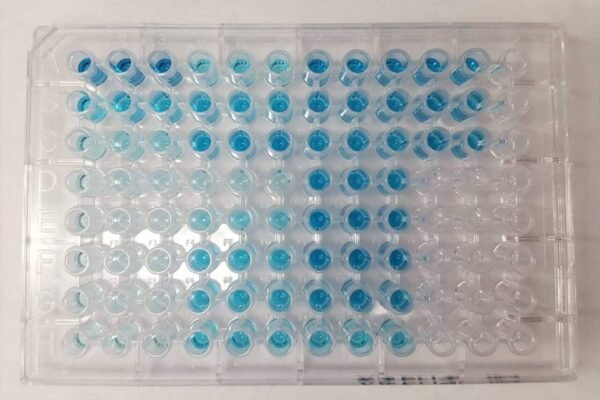
ELISA is a widely used diagnostic tool that detects antibodies or antigens in blood, helping identify infections and track disease spread. By enabling large-scale testing, it plays a critical role in public health surveillance and outbreak response, especially in regions like Latin America.
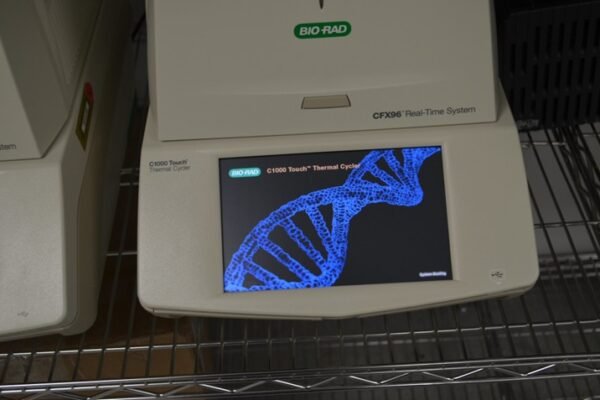
Quantifying viral infection begins at the molecular level. In laboratories around the world, scientists use quantitative PCR (qPCR) to detect tiny amounts of viral genetic material and estimate viral load. This powerful technology allows researchers and clinicians to measure infection in real time and guide both diagnostics and outbreak response.
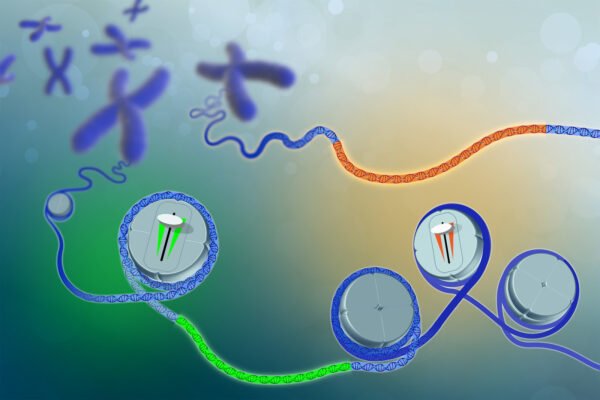
In the lab, scientists don’t ask cells questions — they measure gene expression. By tracking RNA, the messages genes send when they’re active, researchers can see whether cells are fighting infection, responding to treatment, or changing behavior. Techniques like qPCR, RNA sequencing, and single-cell analysis help decode these molecular signals.

PCR and antigen tests both detect viruses, but they work in very different ways. PCR amplifies viral genetic material for highly sensitive detection, while antigen tests identify viral proteins for faster results. Understanding when to use each test helps guide diagnosis, screening, and public-health decisions.

Aedes aegypti and Aedes albopictus mosquitoes are key vectors behind dengue, Zika, and chikungunya. Discover how their feeding habits, infection rates, and adaptability fuel global arbovirus outbreaks.
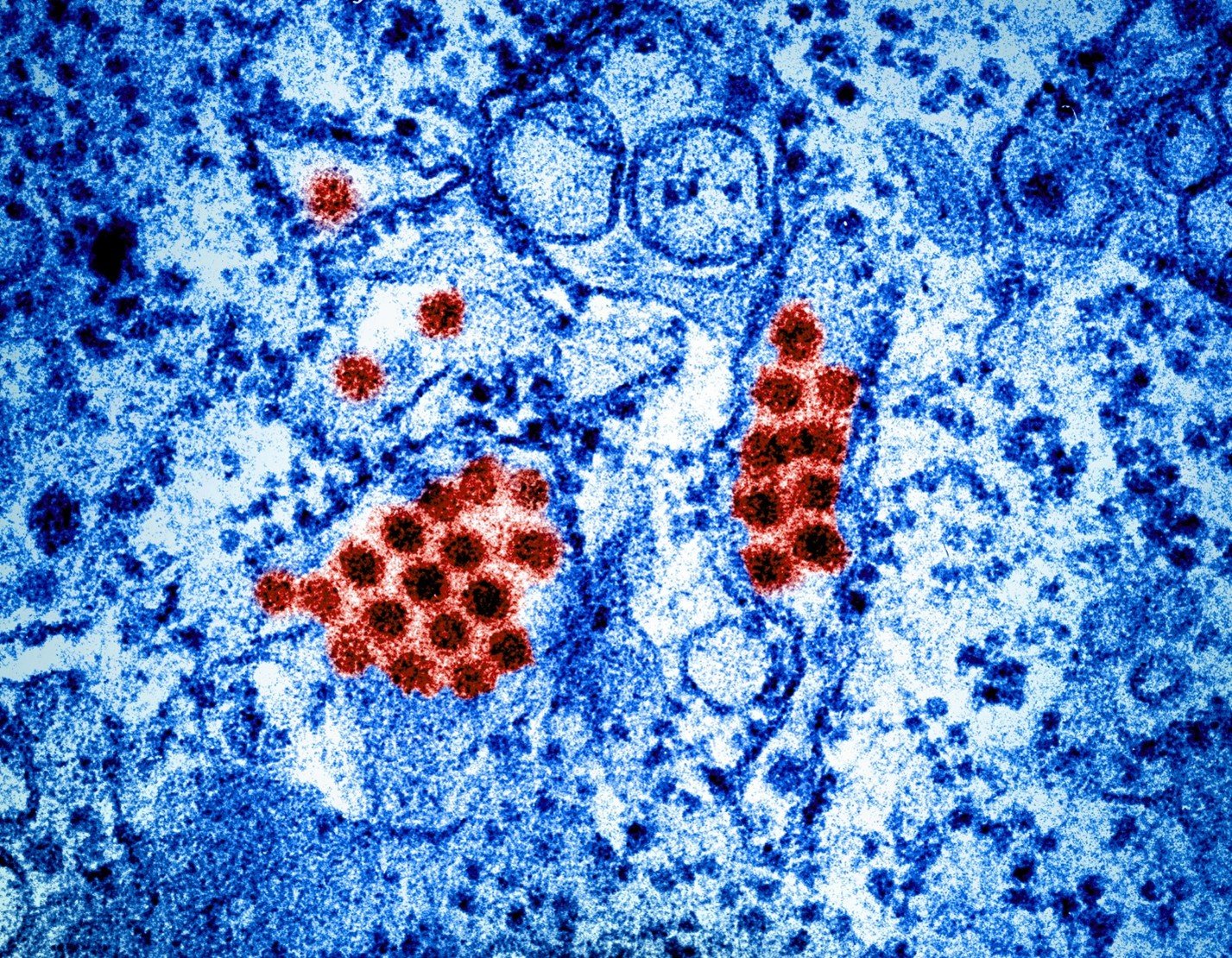
Uncover how dengue virus triggers fever, pain, and rash. Learn key dengue fever symptoms and safe over-the-counter treatments.

New research shows that H. pylori, a common stomach infection, may raise the risk of fatty liver disease in Hispanics, especially Puerto Rican and Mexican adults. With nearly half of participants affected, the study highlights the need for early screening and awareness in Latino communities already burdened by obesity and diabetes.