Source: pxhere.com
Highlights
Urban density amplifies arbovirus transmission.
Inequality predicts outbreak clustering.
Infrastructure gaps drive mosquito risk.
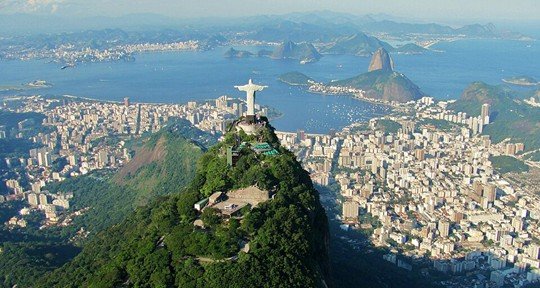
As Brazil celebrates new global milestones, like Pinheiro’s historic Winter Olympic medal, a moment that signals expanding opportunity and international visibility, the country’s internal realities remain uneven.
Sporting success reflects national pride and progress. But it also highlights a contrast: while some Brazilians reach global stages, millions still live in environments where basic infrastructure shapes daily health risks.
This link is visible in national data as well. Global social indicators such as the World Economics Social Impact Index, show that Brazil’s development profile is shaped by uneven access to health, education, and employment, the three pillars used to evaluate a country’s social performance.
These factors influence how populations interact with infrastructure, services, and living environments, conditions that directly affect disease exposure.
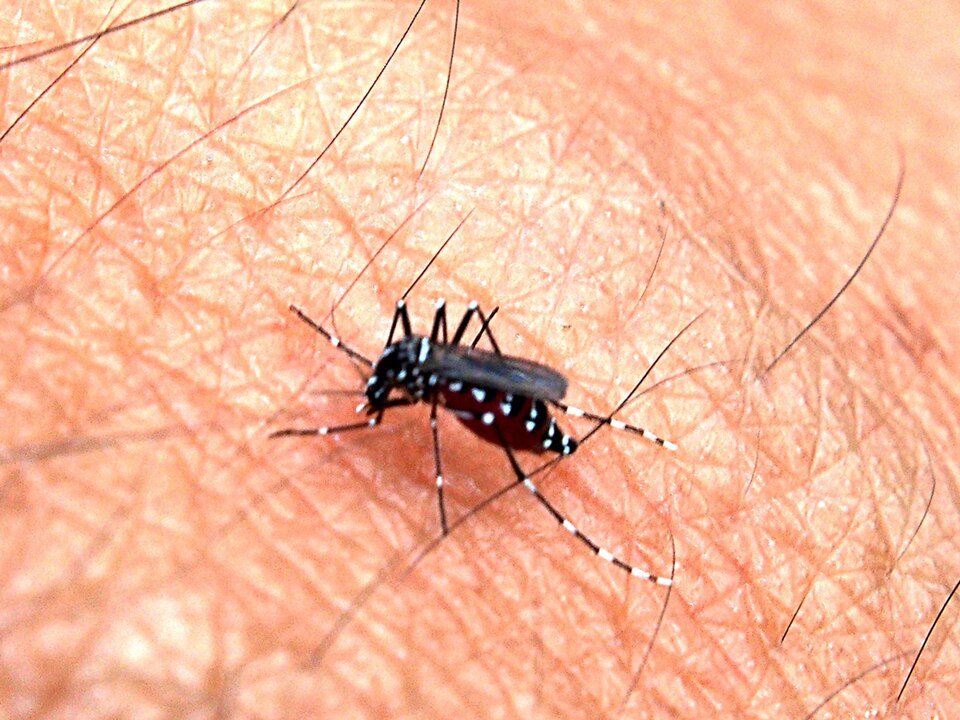
Mosquitoes do not respect borders, but they do respond to environments.
The study on Zika and chikungunya in Brazil by Palasio et al., published in Scientific Reports, shows that outbreaks are not only biological events. They are deeply tied to socioeconomic conditions.
Linking outbreaks to living conditions
To understand this relationship, researchers combined epidemiological data with socioeconomic indicators at the municipal level.
These included population density, sanitation coverage, income measures, and infrastructure indicators derived from national census data.
Rather than comparing regions descriptively, the study applied regression modeling with spatial correction.
This approach accounts for the fact that neighboring municipalities share environmental characteristics. Without this adjustment, associations between poverty and disease could appear weaker or stronger than they truly are.
The models estimated how each socioeconomic variable influenced the probability that a municipality would fall within a Zika or chikungunya cluster. This allowed researchers to move from correlation to statistically supported risk factors.
Urban density amplifies exposure
Source: Rafael Rabello de Barros via Wikimedia Commons.
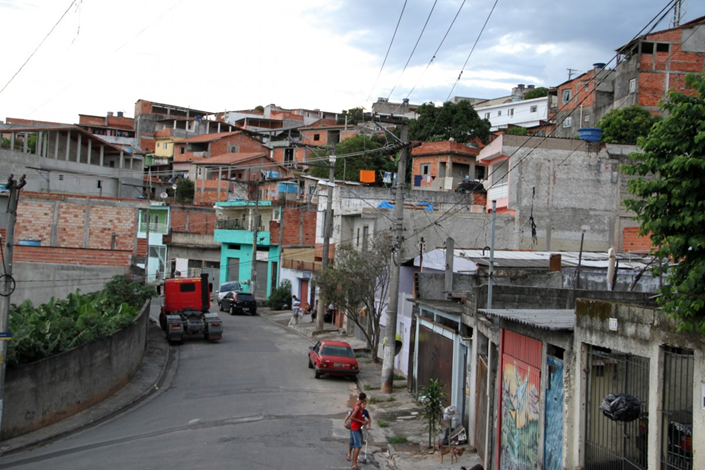
One of the clearest findings was that densely populated urban municipalities were more likely to experience clustered outbreaks.
High density increases human-mosquito contact rates, accelerates virus transmission cycles, and supports vector breeding sites in artificial containers.
Sanitation indicators also played a major role. Municipalities with poorer waste management or water infrastructure showed higher probabilities of belonging to outbreak clusters.
These conditions often lead to standing water storage practices that favor Aedes aegypti breeding.
The statistical models showed that socioeconomic variables remained significant predictors even after adjusting for climate and geographic effects.
This suggests that infrastructure and inequality are not secondary influences but core drivers of arbovirus risk.
What this means beyond Brazil
These findings reinforce that arbovirus prevention is not solely a vector control issue.
It is also a development and infrastructure issue.
Improving sanitation, water access, and housing conditions may reduce transmission as effectively as insecticide campaigns.
For Latin America, this has clear implications. Regions experiencing rapid urban growth without matching infrastructure improvements may see rising arbovirus vulnerability.
At Pathogenos, this aligns with a recurring theme in infectious disease research: pathogens exploit structural gaps. When public health planning integrates social and environmental data, it gains the power to anticipate outbreaks before they begin.