Source: John Ragai from Petaling Jaya, Malaysia via Wikimedia Commons.
Highlights
• Climate and rainfall patterns predict arbovirus outbreak hotspots
• Warmer temperatures accelerate mosquito infection and virus transmission
• Environmental data can enable earlier outbreak warnings
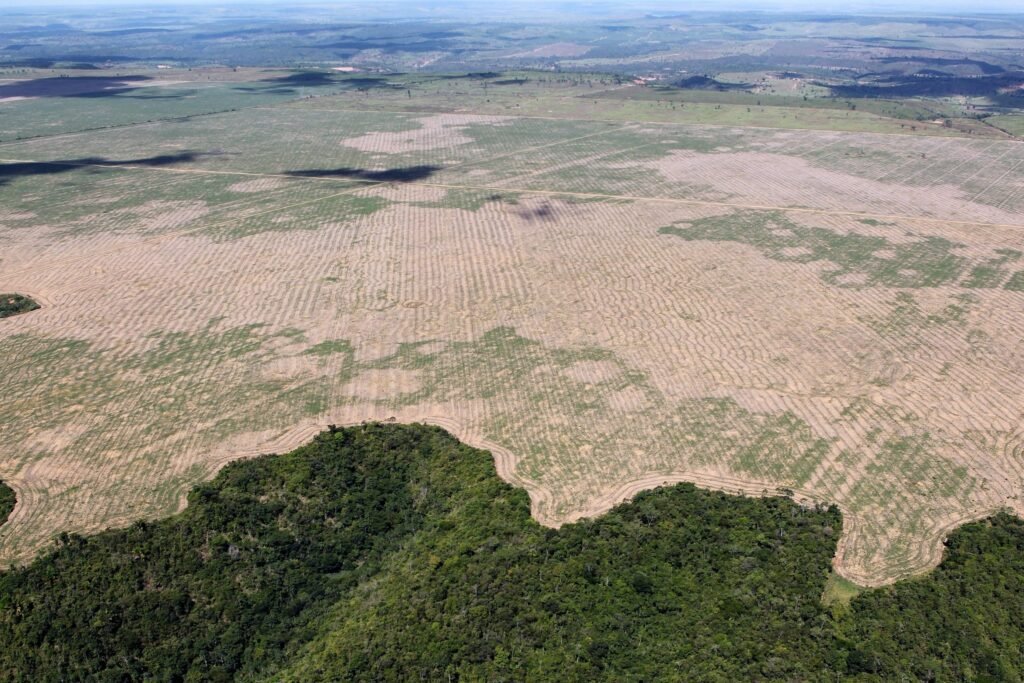
As Brazil prepares to hold major power and oil auctions in 2026, the country is once again confronting a familiar challenge: how development reshapes the environment.
Expanding energy infrastructure can transform landscapes, alter land use, and shift patterns of urban growth.
These changes influence far more than economic output. They also shape disease risk.
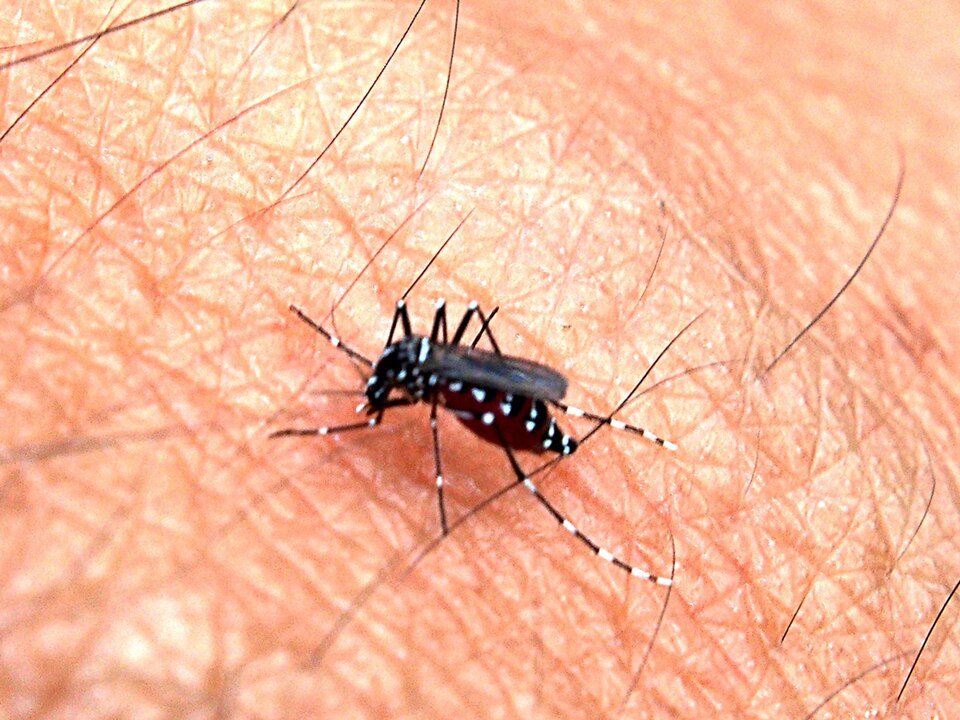
Like many countries in Latin America, such as Brazil, arbovirus transmission is closely tied to environmental conditions. Temperature, rainfall, and seasonal cycles determine where mosquitoes thrive, how quickly they reproduce, and how efficiently viruses circulate.
Understanding why some regions experience repeated outbreaks while others remain relatively stable therefore requires looking beyond case counts and examining the environmental drivers of transmission.
The study on Zika and chikungunya in Brazil by Palasio et al., published in Scientific Reports, provides insight into this question by linking outbreak patterns to climate and ecological conditions across Brazilian municipalities.
Environmental Drivers of Virus Hotspots
Researchers incorporated climate variables such as rainfall, temperature, and seasonality alongside spatial outbreak data.
These variables were obtained from national meteorological databases and were aligned with municipal case timelines.
To test associations, the study used multivariate spatial models that allowed environmental variables to be evaluated simultaneously with socioeconomic indicators.
This method helps identify which factors independently predict cluster formation rather than simply co-occurring with it.
The analysis showed that municipalities with higher temperatures and favorable rainfall patterns were significantly more likely to belong to arbovirus clusters.
These conditions directly affect mosquito survival, breeding rates, and viral replication inside the vector.
Why Climate Creates Repeat Hotspots
Source: Operação Hymenaea, Julho/2016 via Wikimedia Commons.
Temperature influences mosquito life cycles and viral incubation time.
Warmer conditions shorten the time required for mosquitoes to become infectious, increasing transmission potential.
Rainfall plays a dual role. Moderate rainfall creates breeding habitats, while excessive rainfall can temporarily disrupt them.
The models captured this nonlinear relationship, demonstrating that certain rainfall ranges consistently aligned with outbreak clusters.
Because these environmental conditions repeat seasonally, some regions become persistent transmission zones. This helps explain why Brazil experiences cyclical arbovirus waves rather than uniform national outbreaks.
Implications for Early Warning Systems
By integrating environmental and spatial data, the study demonstrates that arbovirus risk can be anticipated rather than merely detected.
Climate-linked modeling can inform surveillance timing, vector control campaigns, and public communication strategies.
For Latin America, this reinforces the need to combine meteorological monitoring with disease surveillance. As climate variability increases, arbovirus transmission zones may shift or intensify.
At Pathogenos, this highlights a core lesson from modern outbreak science: predicting disease often starts with understanding the environment that allows it to spread.
Subscribe to Pathogenos
Outbreaks rarely happen at random. Climate, environment, and human activity shape where infectious diseases emerge and spread.
Pathogenos translates the latest research in microbiology, epidemiology, and global health into clear insights you can use to understand emerging disease risks.
If you want to stay informed about arboviruses, emerging pathogens, and the environmental forces shaping future outbreaks, subscribe to Pathogenos and receive new analyses directly in your inbox.