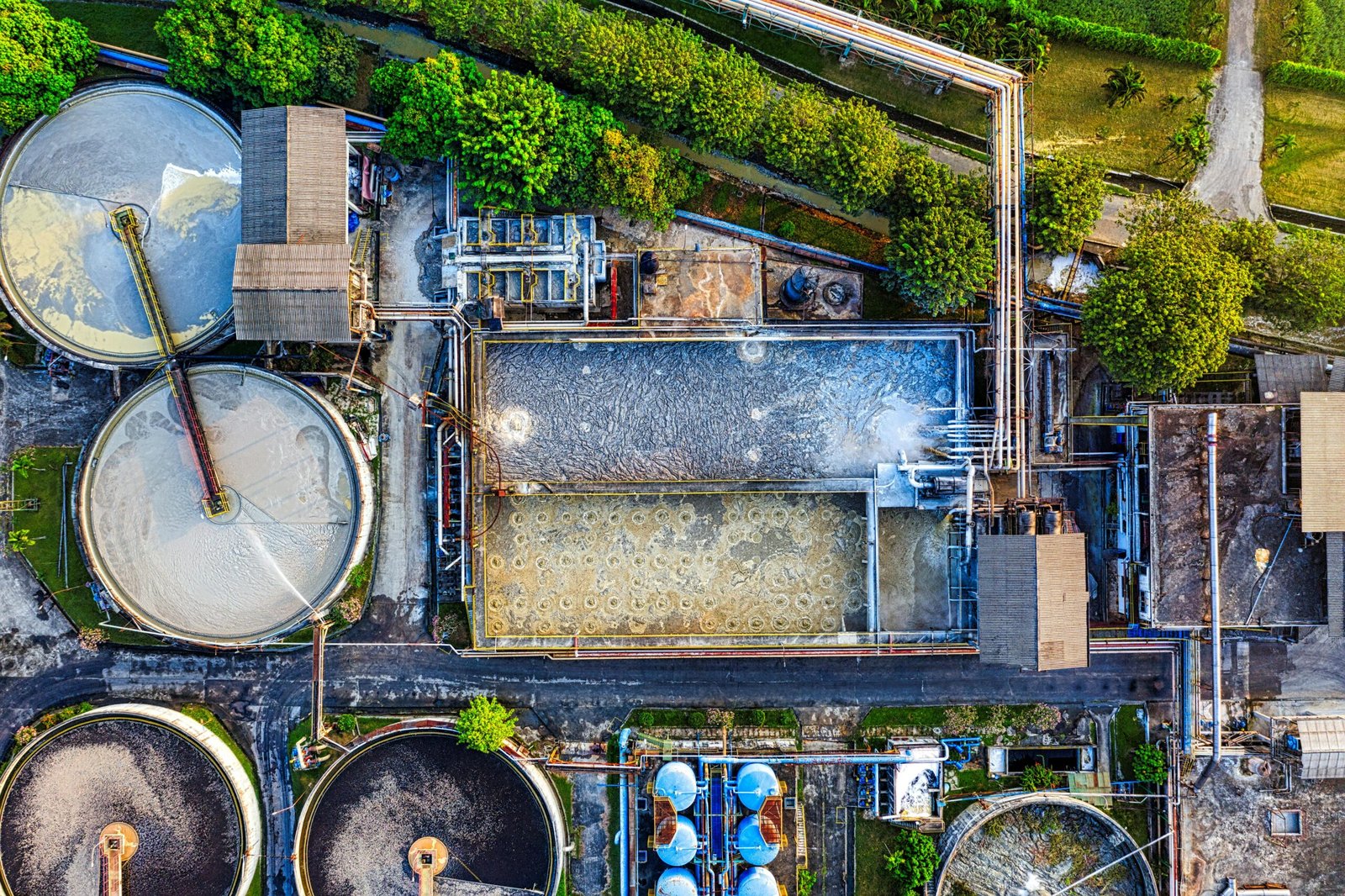
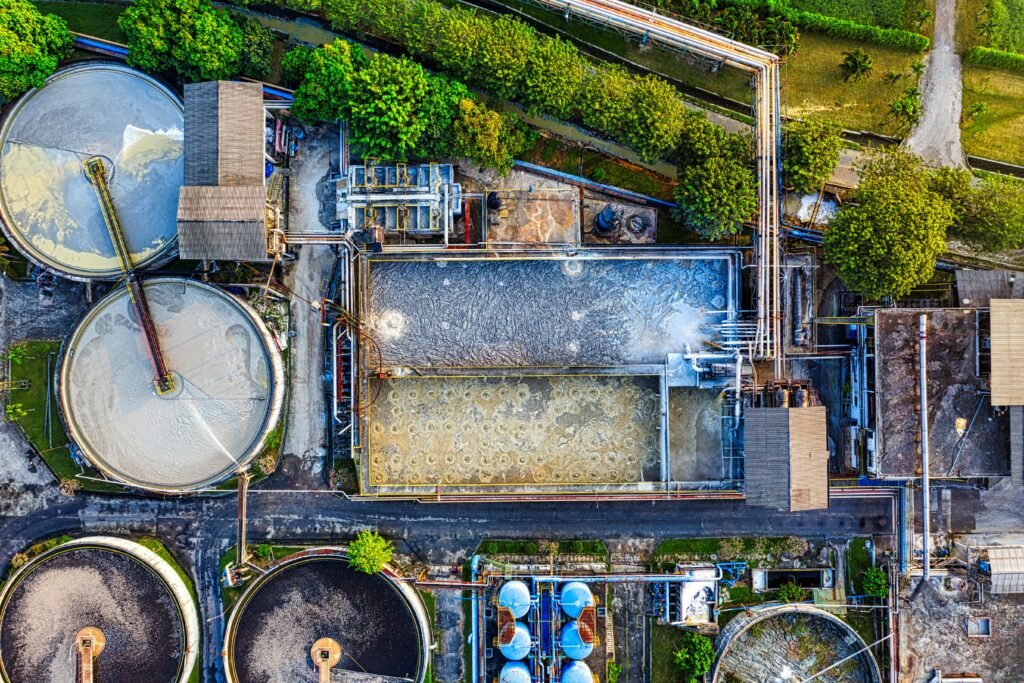
Bird’s eye view of wastewater. Source: Tom Fisk via pexels.
Highlights
- H. pylori found in tap water, including resistant strains
- Wastewater and biofilms help bacteria survive water systems
- Contaminated water may raise infection risk in vulnerable regions
Up to 60% of our adult human body is composed of water. Yet we cannot generate it on our own.
Studies suggest we need to consume 2-4L daily for proper hydration.
But what if that water is contaminated? And worse yet, we are unaware?
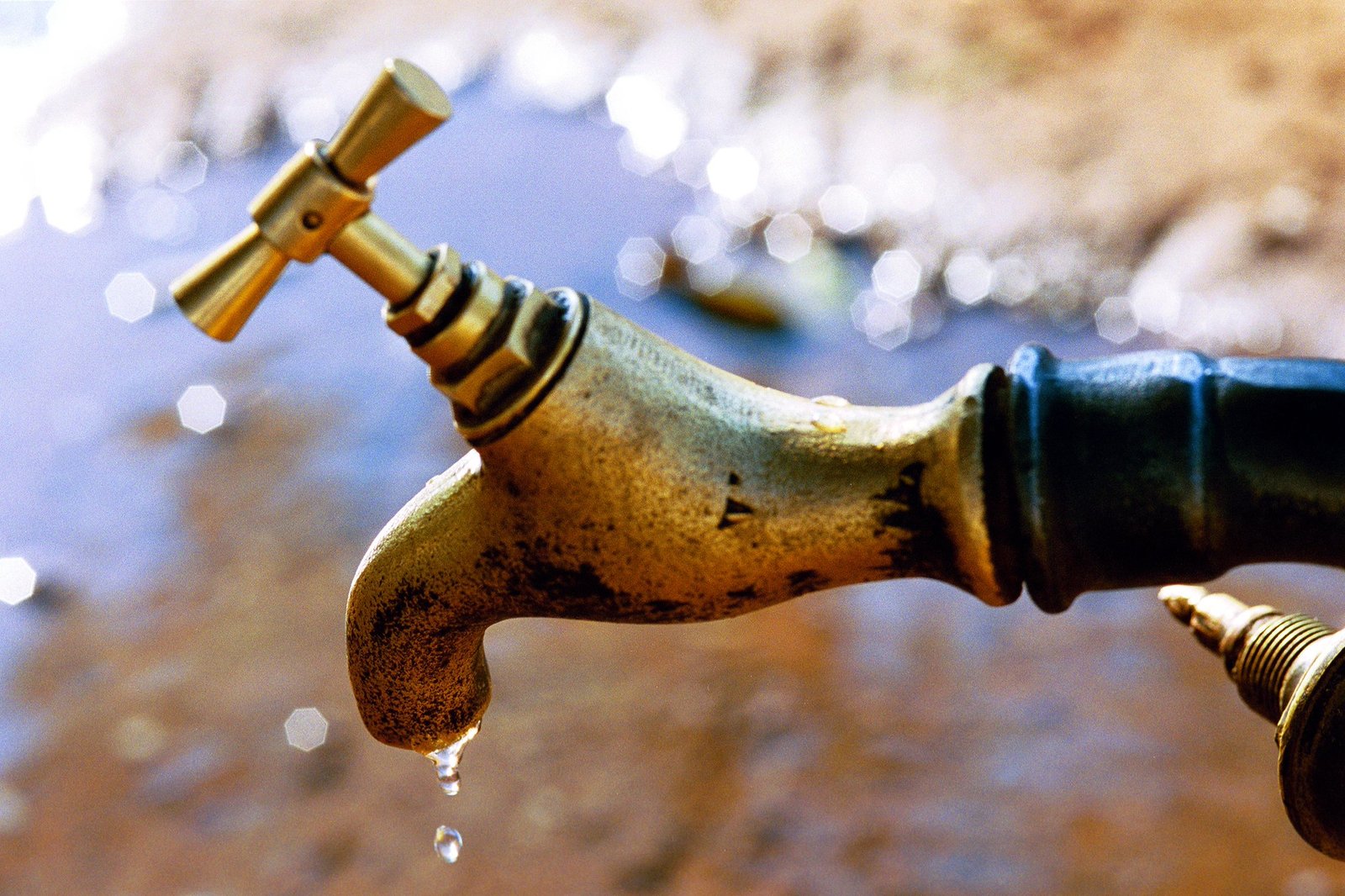
Recent studies have shown that Helicobacter pylori (H. pylori) is found in drinking water, including in tap water from Latin American countries like Peru.
Importantly, many of these isolated bacteria are antibiotic resistant.
But how does H. pylori get into tap water?
In this article, we explore the evidence-based pathways through which H. pylori can enter drinking water systems.
Wastewater Contamination
One major source is wastewater contamination.
Humans infected with H. pylori can shed bacteria and antibiotic residues into sewage.
Therefore, when sanitation systems leak or wastewater is poorly treated, resistant microbes can enter rivers, groundwater, or drinking-water sources.
In fact, studies have shown that antimicrobial-resistant bacteria commonly appear in aquatic environments influenced by wastewater discharge.
This highlights the link between human antibiotic use and environmental contamination.
Bacterial Biofilms
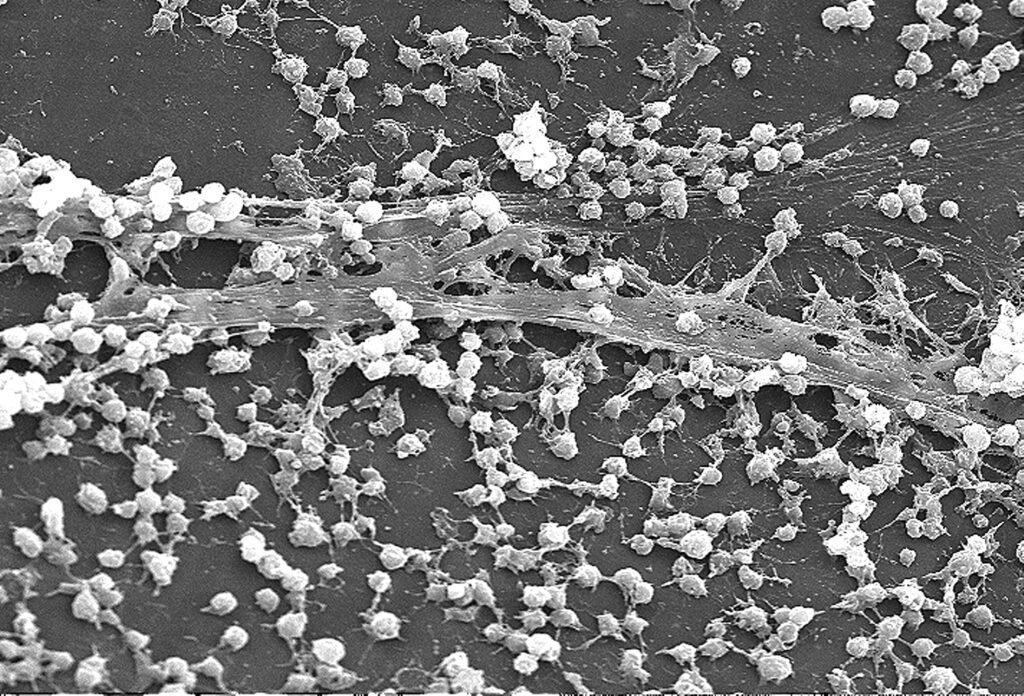
Bacteria biofilm. Source: Rodney M. Donlan via pixnio.
A second pathway involves bacterial biofilms inside drinking-water distribution systems.
Pipes, tanks, and household taps can accumulate microbial communities that protect bacteria from disinfectants like right levels of chlorine.
Within these biofilms, bacteria can persist for long periods, such as at least 26 days in low chlorination levels.
It can even exchange resistance genes, allowing pathogens such as H. pylori to survive despite treatment processes.
Agricultural Exposure
Finally, environmental antibiotic exposure from agriculture and livestock production can contribute to resistant bacteria in water systems.
Antibiotics used in animals can enter soils and waterways through manure and runoff, creating environmental reservoirs where resistant microbes circulate through rivers and groundwater.
Global health agencies now recognize these water pathways as part of the One Health cycle of antimicrobial resistance, connecting human, animal, and environmental health.
Why This Matter for Latin America
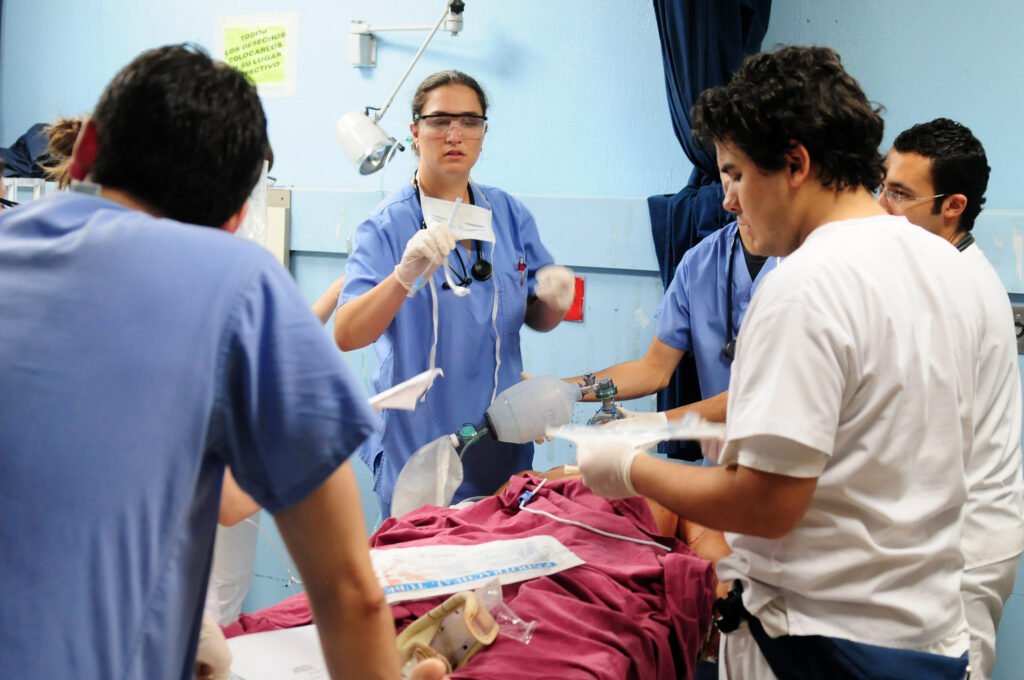
Source: World Bank Photo via Flickr.
These pathways are especially relevant in Latin America, where water systems are often inconsistent.
Intermittent supply, aging infrastructure, and low chlorination can allow bacteria to persist.
Biofilms in pipes further protect microbes from disinfection. When wastewater treatment is limited, contamination risk increases.
At the same time, Latin America carries a high burden of H. pylori infection and gastric cancer. This makes even low-level exposure through drinking water important.
The presence of antibiotic-resistant H. pylori in water adds another concern as water systems may act as reservoirs for resistance.
This can make infections harder to treat. Improving water safety is therefore critical for reducing disease across the region.
Take Action

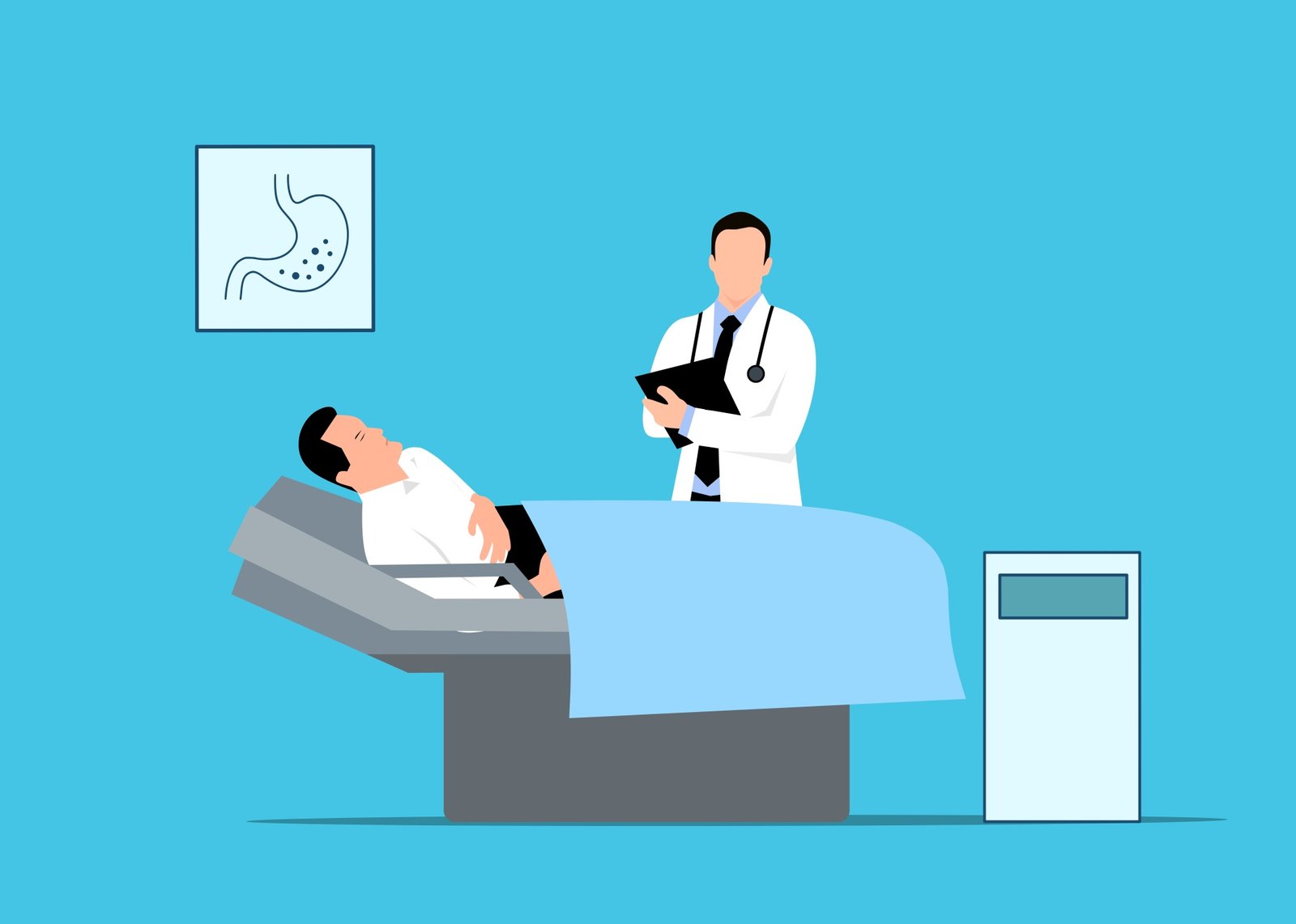
Source: DigiGal DZiner via Wikimedia Commons.
Safe drinking water is not guaranteed everywhere. Understanding how bacteria like H. pylori can enter water systems is the first step toward reducing risk.
Stay informed about local water quality. Support improvements in sanitation and infrastructure when possible.
Simple actions such as using properly treated or filtered water can help reduce exposure, especially in high-risk regions.
Public health challenges like antimicrobial resistance are not only clinical. They are environmental. Awareness and prevention play a critical role.
Subscribe to Pathogenos
Get clear, research-based insights on infectious diseases, water safety, and emerging public health risks.
Pathogenos translates scientific studies into real-world understanding so you can stay informed on the forces shaping global health.
Subscribe to receive new articles on bacteria, viruses, outbreaks, and the environmental drivers of disease.