
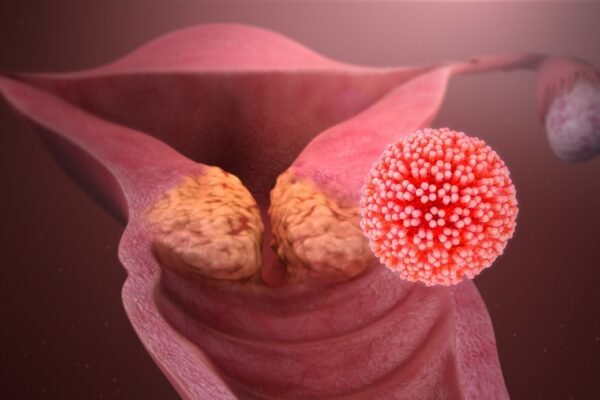
Which Infections Are Fueling Cancer in Latin America?
HPV, *H. pylori*, and other infections contribute to thousands of cancer cases across Latin America. New research highlights the burden—and the opportunities for prevention.
Bacteria research impacting Hispanics/Latinos.
HPV, *H. pylori*, and other infections contribute to thousands of cancer cases across Latin America. New research highlights the burden—and the opportunities for prevention.

Helicobacter pylori can survive beyond the human stomach by entering a dormant state and forming protective biofilms in water systems. This hidden persistence raises new concerns for drinking water safety and disease transmission in Latin America.

Is your drinking water safe? Antibiotic-resistant H. pylori may spread through tap water via wastewater contamination and biofilms, posing an overlooked health risk.

Could Helicobacter pylori be hiding in tap water? A recent study from central Peru detected the bacterium in household tap water and faucet biofilms, particularly where chlorine levels were low. The findings suggest drinking-water systems themselves may serve as environmental reservoirs for this cancer-linked pathogen.
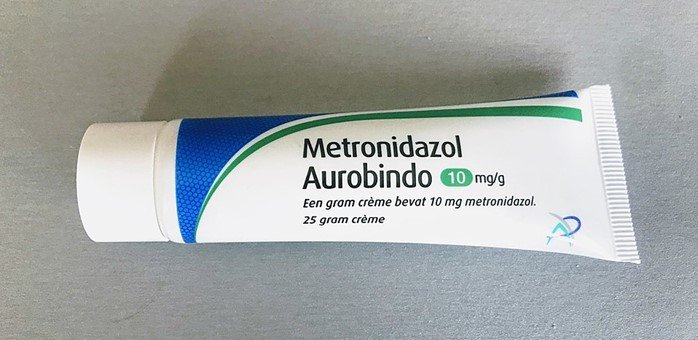
Metronidazole remains a first-line therapy for Helicobacter pylori in Latin America, despite widespread resistance. Because the drug requires intracellular activation to damage bacterial DNA, even small disruptions in bacterial metabolism can render it ineffective, driving treatment failure, persistent infection, and preventable disease.

Metronidazole is rapidly failing as a first-line Helicobacter pylori treatment in Latin America. High resistance rates in Colombia, Peru, and Brazil exceed safe empiric thresholds, driving treatment failure, persistent infection, and increased gastric cancer risk.
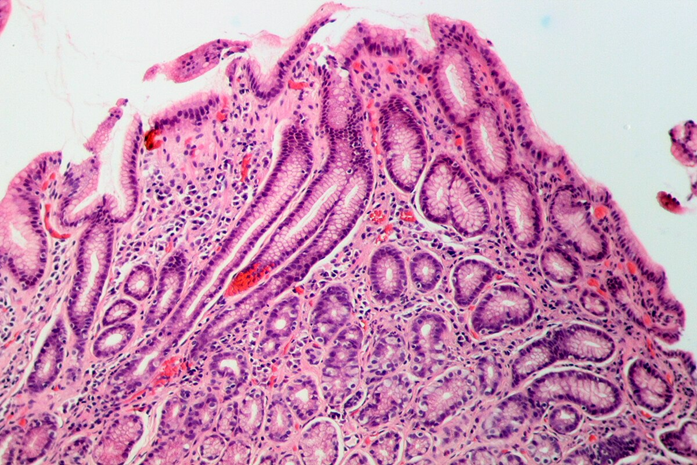
Genetic mutations drive widespread multidrug resistance in Helicobacter pylori strains from Colombia, limiting the effectiveness of standard treatments and underscoring the need for precision-based therapy.

New research shows that H. pylori, a common stomach infection, may raise the risk of fatty liver disease in Hispanics, especially Puerto Rican and Mexican adults. With nearly half of participants affected, the study highlights the need for early screening and awareness in Latino communities already burdened by obesity and diabetes.
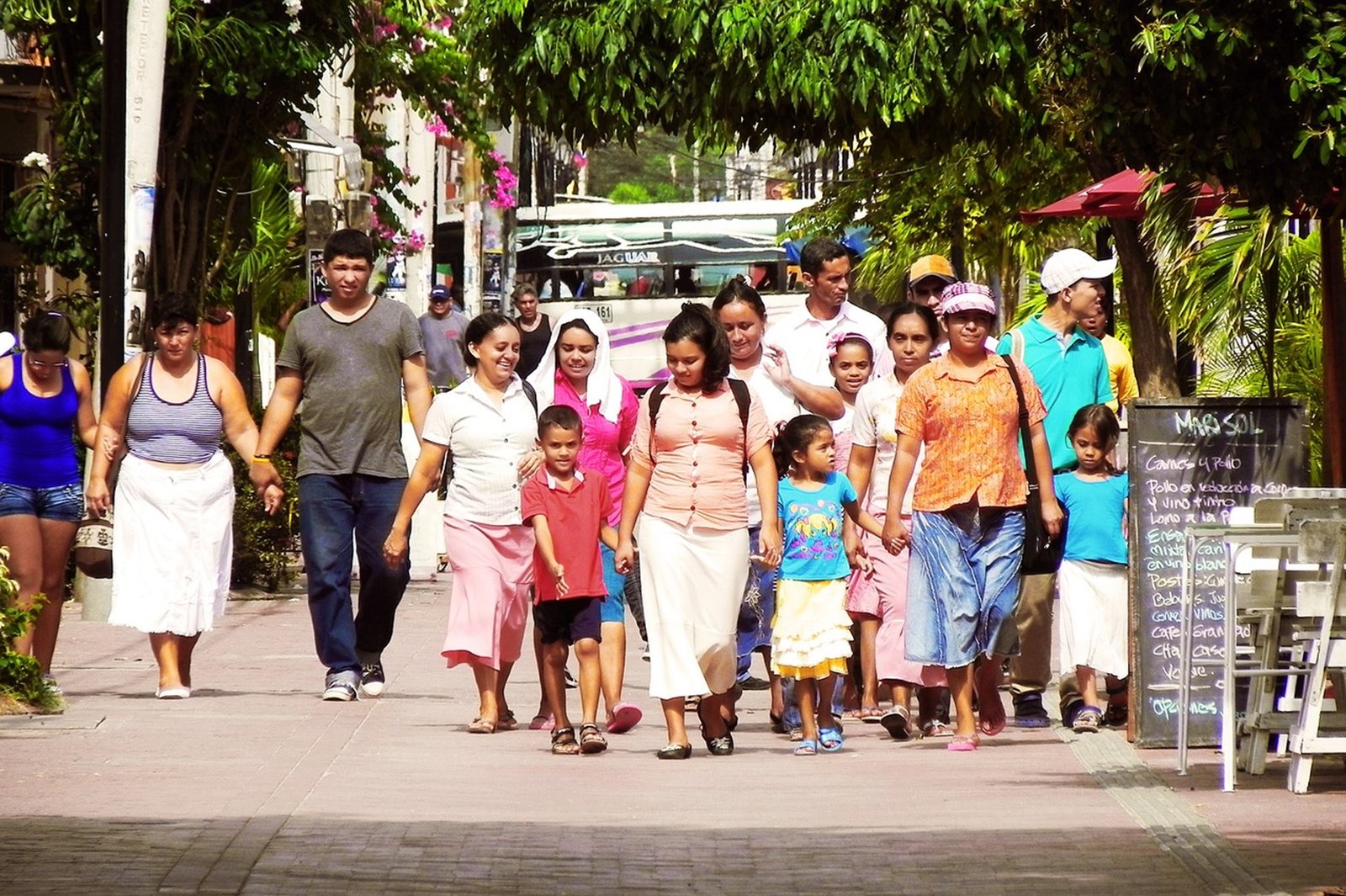
Helicobacter pylori (H. pylori) is more than just a stomach infection, it’s a hidden threat with serious consequences for Hispanic health. Beyond ulcers and gastritis, research shows links to gastric cancer, liver disease, and even metabolic disorders. Because Hispanic populations face higher infection rates, awareness, early detection, and treatment are critical in reducing long-term risks and improving overall health.

Rising antibiotic resistance is undermining H. pylori treatment in Latin America, with high resistance to metronidazole (53%) and clarithromycin (12%). Experts urge regional surveillance and recommend switching to regimens with lower resistance, like amoxicillin or tetracycline.
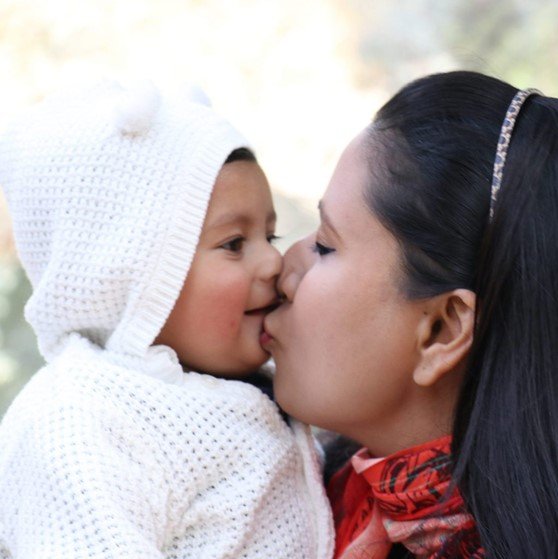
Affecting millions worldwide and hitting Hispanic and Latino communities hardest, this silent infection spreads easily in close living conditions. Knowing how H. pylori spreads is crucial to preventing infection and protecting your family.

Figure 1. Hispanic heritage photo. Source: itoldya420.getarchive.net Helicobacter pylori (H. pylori) is a bacterium that can survive in the stomach’s acidic environment. Although many people with H. pylori show no symptoms, it is a known cause of chronic gastritis. More importantly, H. pylori infection is a significant risk factor for gastric cancer. Globally, H. pylori…