Pathogenos

Science, Microbes, and Latinos

Oropouche

Which Natural Repellents Protect Against Mosquitoes and Ticks?

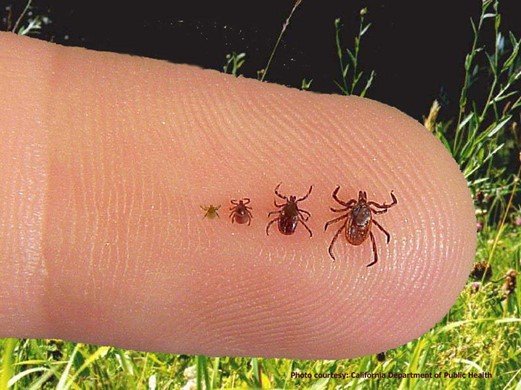
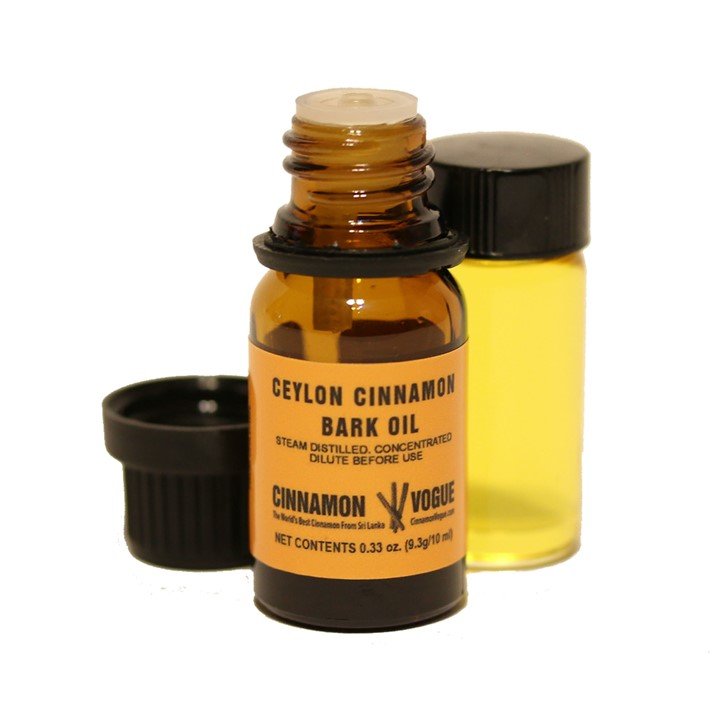
Natural insect repellents are increasingly popular across Latin America, but most offer little real protection. A 2023 study tested plant-based ingredients against mosquitoes and ticks and found that only a few—cinnamon oil, clove oil, and geraniol—provided meaningful, multi-vector repellency. This blog breaks down which natural repellents actually work and what that means for real-world disease prevention.

Do Natural Insect Repellents Work? What The Science Says

Natural repellents are widely used across Latin America, but most fail to prevent mosquito bites. New evidence shows only a small number of plant-based ingredients provide real, short-term protection—highlighting the risks of relying on ineffective products.

Oropouche Virus Is Expanding: Are You in a Newly Emerging Hotspot? 

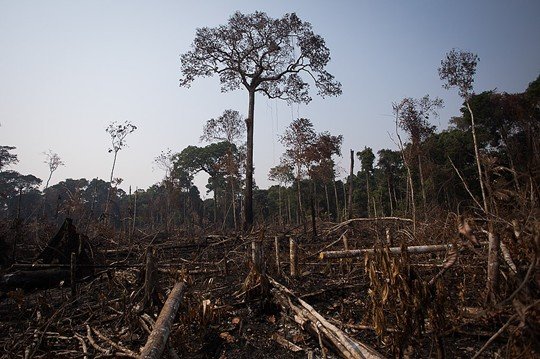
Oropouche virus (OROV) is an emerging vector-borne disease rapidly expanding beyond the Amazon Basin and into new regions of Latin America and the Caribbean. Using advanced environmental and machine-learning models, researchers show that deforestation, land-use change, and climate conditions are creating widespread environments suitable for OROV transmission.

Limiting Warming to 1.5°C Could Prevent Millions of Dengue Cases

Climate change is accelerating dengue risk across Latin America, with new high-resolution models showing that global warming could add millions of infections in the coming decades. Research from Colón-González et al. reveals that limiting warming to 1.5 °C dramatically reduces future dengue cases, shortens transmission seasons, and offers major public health benefits for Brazil, Colombia, Mexico, and other vulnerable regions.

Oropouche vs Dengue: Key Symptoms and Effective OTC Treatments Explained

Oropouche virus (OROV) and dengue virus (DENV) share overlapping symptoms like fever and headache, but key differences, such as sore throat and abdominal pain, can help with early diagnosis and effective treatment. This article breaks down the latest clinical findings, explores the biological mechanisms behind these symptoms, and recommends safe over-the-counter (OTC) remedies to manage discomfort without the risks of NSAIDs.

Think It’s Dengue? It Could Be Oropouche

New 2025 research reveals key differences between Oropouche fever and dengue virus infections. Learn how to spot predominant symptoms like sore throat and abdominal pain that can help distinguish OROV from DENV during outbreaks in Latin America.

How Climate Change Drives the Spread of Oropouche Virus in Latin America

As climate change reshapes ecosystems across Latin America, a silent viral threat is emerging: the Oropouche virus (OROV). Once confined to forested regions, OROV is now infecting thousands in urban centers—spread by tiny midges thriving in warmer, wetter environments. With no vaccine or treatment, and symptoms that mimic dengue, the virus is spreading under the radar. This article explores how deforestation, rising temperatures, and rapid urbanization are fueling OROV’s rise, and what must be done to stop it.