Artificial Light at Night Raises Your Risk of Dengue, Zika, and Chikungunya
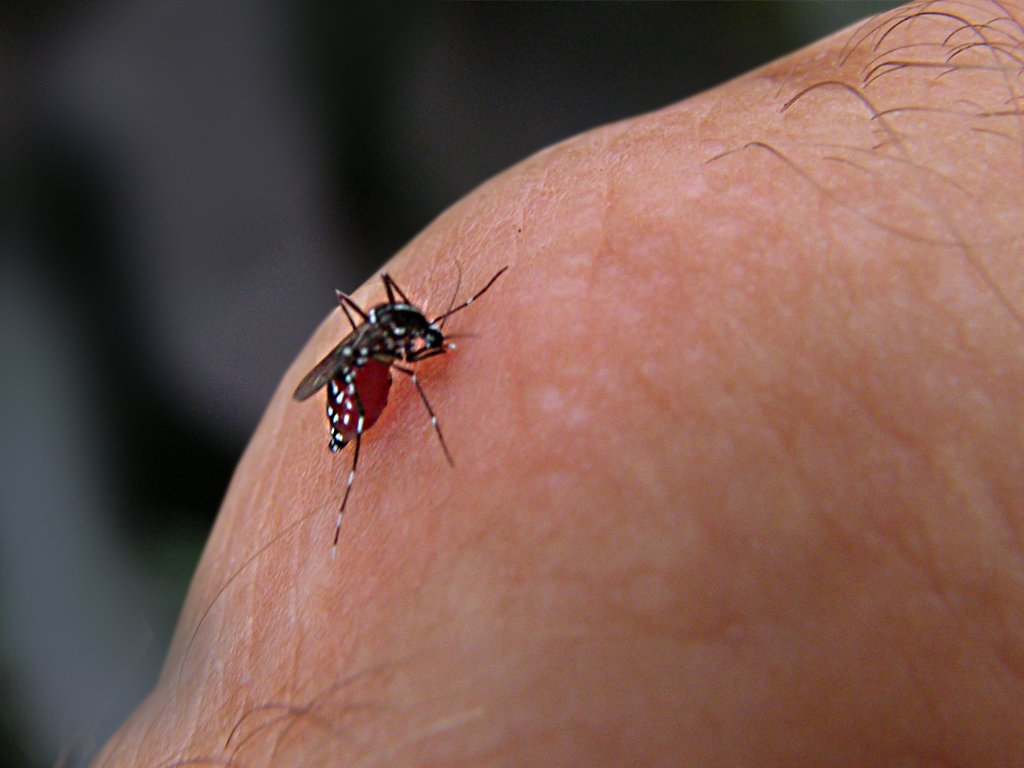
Artificial light at night (ALAN) is more than an environmental nuisance, it’s a growing public health risk. A new study reveals that brief exposure to nighttime light can double the biting rate of Aedes aegypti mosquitoes, heightening the risk of dengue, Zika, and chikungunya transmission across Latin America’s rapidly urbanizing regions. As cities grow brighter, so does the hidden danger buzzing in the dark.
Aedes Mosquitoes: The Global Threat Behind Dengue, Zika, and Chikungunya
Aedes aegypti and Aedes albopictus mosquitoes are key vectors behind dengue, Zika, and chikungunya. Discover how their feeding habits, infection rates, and adaptability fuel global arbovirus outbreaks.
Dengue Fever Symptoms and Safe OTC Remedies Explained
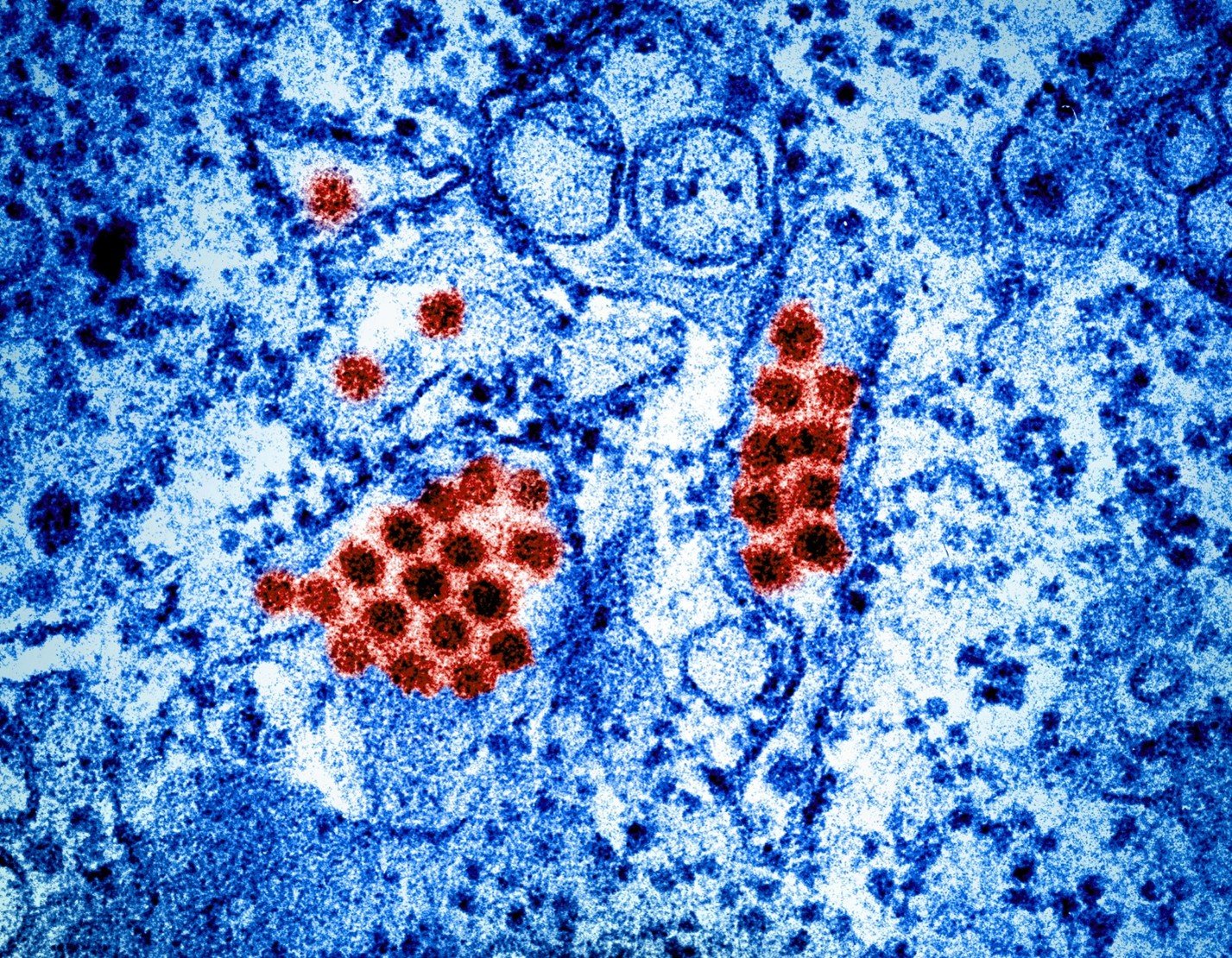
Uncover how dengue virus triggers fever, pain, and rash. Learn key dengue fever symptoms and safe over-the-counter treatments.
Dengue Danger: Why Women Must Take Extra Precautions Now
Women in Latin America may face a higher risk of severe dengue due to biological, social, and behavioral factors. From pregnancy complications to increased mosquito exposure at home, the dangers are real. This post explores why women need extra protection, and the top three steps they can take to stay safe during dengue outbreaks.
Women Bear the Brunt of Latin America’s Dengue Surge
As Latin American women continue to lead in politics, science, and entrepreneurship, they face a quieter but growing threat: dengue. In 2024 alone, the region saw over 13 million dengue cases, with new research revealing that women, especially those of reproductive age, are more likely to suffer severe complications. From biological factors like estrogen’s impact on immunity to social roles that increase mosquito exposure, the gender gap in arboviral infections is real and urgent. With evidence mounting from countries like Brazil, experts are calling for gender-sensitive public health strategies, including targeted vector control, reproductive care, and expanded vaccine access to protect those most at risk.
Oropouche vs Dengue: Key Symptoms and Effective OTC Treatments Explained
Oropouche virus (OROV) and dengue virus (DENV) share overlapping symptoms like fever and headache, but key differences, such as sore throat and abdominal pain, can help with early diagnosis and effective treatment. This article breaks down the latest clinical findings, explores the biological mechanisms behind these symptoms, and recommends safe over-the-counter (OTC) remedies to manage discomfort without the risks of NSAIDs.
Think It’s Dengue? It Could Be Oropouche
New 2025 research reveals key differences between Oropouche fever and dengue virus infections. Learn how to spot predominant symptoms like sore throat and abdominal pain that can help distinguish OROV from DENV during outbreaks in Latin America.
How Climate Change Drives the Spread of Oropouche Virus in Latin America
As climate change reshapes ecosystems across Latin America, a silent viral threat is emerging: the Oropouche virus (OROV). Once confined to forested regions, OROV is now infecting thousands in urban centers—spread by tiny midges thriving in warmer, wetter environments. With no vaccine or treatment, and symptoms that mimic dengue, the virus is spreading under the radar. This article explores how deforestation, rising temperatures, and rapid urbanization are fueling OROV’s rise, and what must be done to stop it.
Climate Crisis Ignites Dengue Epidemic in Latin America
Climate change is fueling dengue outbreaks in Latin America. Learn how extreme heat and AI models in Brazil are reshaping global disease surveillance.
Mexico’s High-Risk Zones for Dengue, Zika, and Chikungunya
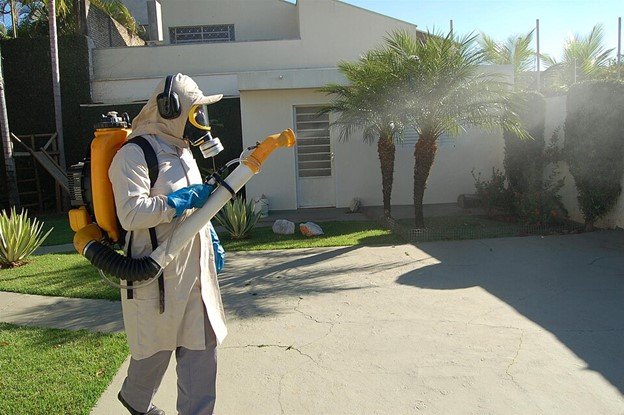
Figure 1. Anti-dengue campaign in Autlán, Mexico. Source: perliux via Flickr. Like Colombia and other Latin American countries, Mexico has faced growing threats from Aedes aegypti– borne viruses such as dengue, chikungunya, and Zika. Statistically speaking, dengue cases surged by…
Dengue in Mexico: Why Cases Are Spiking and Who’s Most at Risk
Mexico faces a growing dengue epidemic in 2025. Learn which virus strains, regions, and risk factors are driving severe cases and hospital deaths.
Why Mosquito Surveillance is Failing to Stop Dengue in Latin America
Despite rising dengue outbreaks, many Latin American countries struggle with fragmented mosquito surveillance, limited diagnostics, and underfunded public health systems. Without stronger surveillance and investment, the true scale of dengue transmission remains hidden, delaying effective responses.


Recent Comments