
Source: NIAID | Flickr
In 2024, the Pan American Health Organization (PAHO) sounded an urgent alarm about the unprecedented dengue outbreak in Latin America and the Caribbean.
The numbers were staggering, over 12.6 million reported dengue cases and more than 1,000 related deaths, making this one of the most severe epidemics in recent history.
The countries hit the hardest include Brazil, Argentina, Colombia, and Mexico. According to Statista, this represents the highest dengue case count recorded in the region between 2016 and 2024.
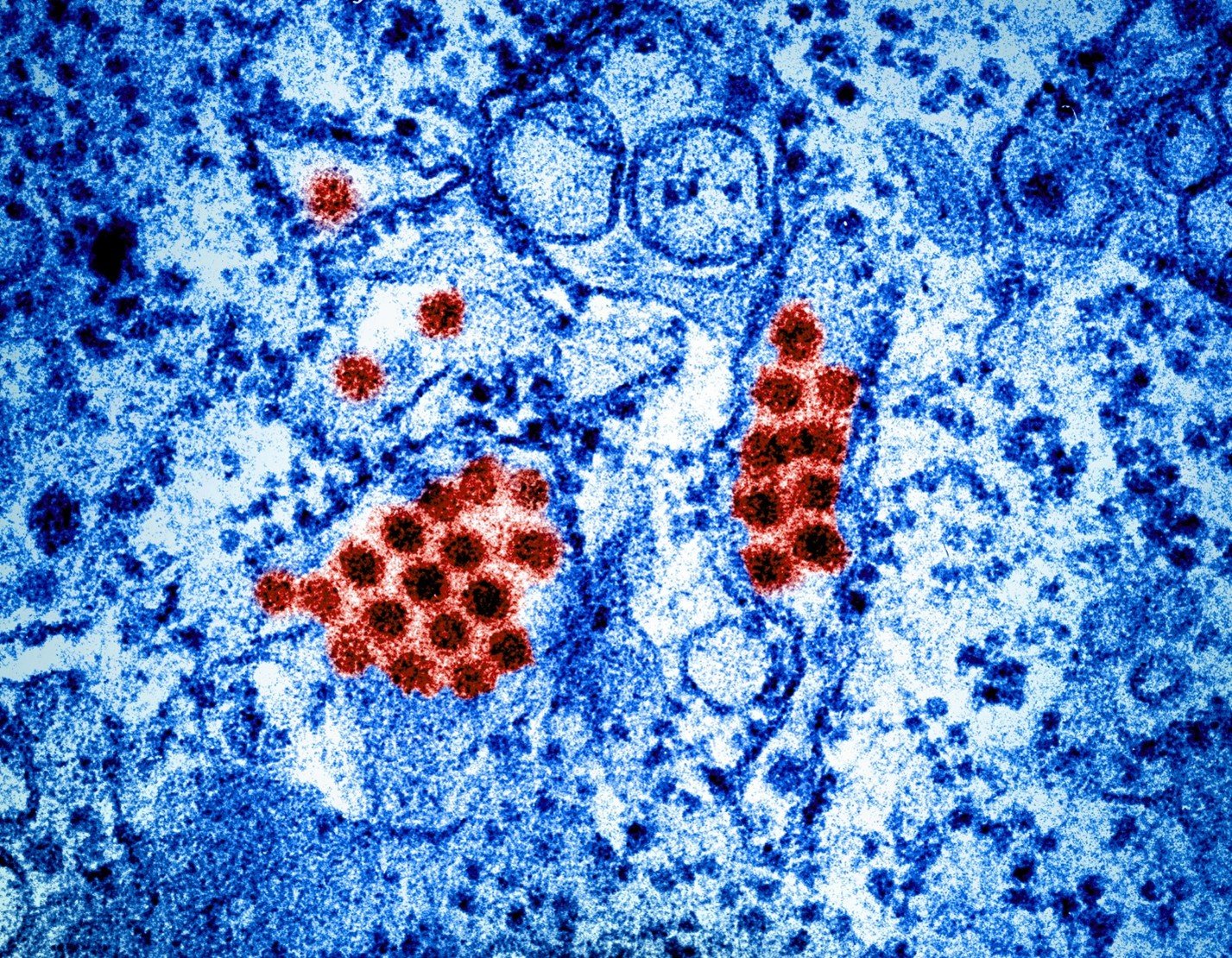
Dengue fever, caused by the dengue virus (DENV) and transmitted primarily by Aedes aegypti mosquitoes, continues to spread at alarming rates. Symptoms emerge as the immune system responds to the virus, affecting blood vessels, tissues, and multiple organs.
Currently, there is no specific antiviral treatment for dengue. Unless preventive dengue vaccines have been administered, management focuses on symptom relief with safe, evidence-based over-the-counter (OTC) medications.
In this blog, I break down the biology behind the most common dengue symptoms, from high fever and joint pain to rashes and nausea. In addition, I highlight the OTC remedies that can help ease discomfort while the body recovers naturally.
Table of Contents
Fever

Source: Mohamed Hassan | Stockvault
Why it happens: Dengue fever typically begins with a sudden high-grade fever (often above 39°C/102.2°F). This is triggered by cellular (e.g., macrophage and endothelial cells) release of pro-inflammatory cytokines like interleukin-6 (IL-6) and tumor necrosis factor-alpha (TNF-α) in response to viral replication. The innate immune system detects viral RNA, triggering a cascade of cytokines that act on the central nervous system (pyrogenic action) to raise body temperature and help limit viral spread.
Common OTCs
Avoid aspirin and NSAIDs (like ibuprofen) because they can increase bleeding risk in dengue patients. Stick to acetaminophen (paracetamol) as WHO and CDC recommend. The key is that only a FEW OTCs are considered safe because many common ones ( NSAIDs, aspirin) increase the risk of bleeding. OTCs recommended for dengue include:
- Acetaminophen (Paracetamol, Tylenol, Panadol) as it is gentle on the stomach and do not affect platelets.
- Oral rehydration salts (ORS) or packets (e.g., Pedialyte, Hydralyte, DripDrip) as they prevent dehydration from fever and sweating.
- Electrolyte powders/drinks (e.g., Liquid I.V., Nuun, Gatorade powder) as they are good for hydration if ORS are not available.
Headache

Source: Mohamed Hassan | Stockvault
Why it happens: Headaches associated with dengue are known to be intense, bilateral, throbbing, front, and retro-orbital. They are usually attributed to infection and result from active infection. Headaches are primarily due to systemic inflammation, dehydration, and the activation of pain pathways by circulating cytokines. The virus may also cause meningeal irritation, contributing to frontal headaches. Vasodilation and vascular permeability can increase intracranial pressure, exacerbating pain.
Common OTCs
Similar as those taken to reduce fever. Avoid ibuprofen, Naproxen, and Aspirin as they all increase bleeding risk. To keep in mind is that overuse of OTC pain relievers can cause medication-overuse headaches ( rebound headaches). In addition to:
Cooling headache patches/ cold packs ( e.g., TheraPearl Eye Mask, Kool’n Soothe, BeKool) as a non-drug option that can provide relief, especially for children or those limiting medication.
Retro-Orbital (Eye) Pain

Source: Mohammed Hassan | Stockvault
Why it happens: Pain behind the eyes is a hallmark of dengue and results from inflammation of the tissues surrounding the eyes, increased vascular leakage, and pressure on the optic nerves. Eye movement often worsens this pain, suggesting periorbital tissue involvement.
Common OTCs
Those recommended for fever, headache in addition to:
- Blue-light blocking or shaded glasses as light sensitivity (photophobia) often worsens retro-orbital pain. These can ease discomfort without medication.
Muscle Pain (Myalgia)

Source: Injurymap | Wikimedia Commons
Why it happens: The dengue virus infects muscle fibers and macrophages, triggering muscle inflammation and necrosis. Additionally, immune responses release substances like prostaglandins that sensitize pain receptors. Myalgia tends to be severe and diffuse, often referred to as “breakbone fever” for its intensity.
Common OTCs
- Menthol-based gels/patches (e.g., Biofreeze, IcyHot, Salonpas) as they provide localized relief.
- Cooling/ heating packs (reusable gel packs, TheraPearl wraps) as they can soothe sore muscles safely despite not treating dengue.
- Gentle supportive care products (e.g., compression sleeves or wraps, massage rollers/balls) as they can reduce soreness an dprovide non-drug myalgia relief.
Joint Pain (Arthralgia)

Source: injuryMap | Wikimedia Commons
Why it happens: Joint pain in dengue arises from immune complex deposition and cytokine-mediated inflammation in joint tissues. It may mimic arthritis but usually resolves as the virus clears. Pain can affect small and large joints alike, leading to reduced mobility. This is part of why dengue is nicknamed “breakbone fever”.
Common OTCs
Those recommended for fever and headache in addition to:
- Methol-based patches and lidocaine patches ( e.g., Biofreeze, Aspercreme, Salonpas lidocaine) as these provide local relief without affecting platelets or bleeding.
- Hot/cold therapy products ( e.g., gel packs, heating pads, cold compresses) as joint stiffness often improve with alternating heat and cold.
Abdominal Pain

Source: Robystarm07 | Wikimedia Commons
Why it happens: Abdominal pain is linked to hepatic inflammation, lymphadenopathy, and mesenteric adenitis. In severe cases, plasma leakage into the abdominal cavity leads to distension and pain. Persistent abdominal pain is a warning sign for severe dengue. Importantly, abdominal pain is not just another symptom like fever or headache as it is a “warning sign” for possible progression to evere dengue ( with bleeding or plasma leakage). If abdominal pain is persistent you need to seek medical care immediately.
Common OTCs
Those recommended for fever and headeache in addition to:
- Ginger tea or OTC ginger chews ( e.g., Gravol Ginger, Traditional Medicinals, Prince of Peace )_as they provide natural support for nausea and stomach upset.
- Probiotics ( e.g., Culturelle, Florastor) as they provide gut support if digestion is affected.
Nausea and Vomiting

Source: TheeErin | Flickr
Why it happens: These symptoms stem from gastrointestinal inflammation, liver dysfunction, and effects of circulating cytokines on the central nervous system’s vomiting center. Vomiting that persists is another clinical red flag in dengue cases. Like abdominal pain, nausea and vomiting are considered warning signs if persistent or severe dengue (WHO classification).
Common OTCs
These include those like taken for hydration as mentioned previously in addition to:
- Vitamin B6 supplements (pyridoxine) as these are sometimes used for nausea relief commonly in pregnancy and are a safe OTC option.
- Sea-Bands (acupressure wristbands) as these are drug-free options for motion-sickness-type nausea.
- Peppermint tea or lozenges as these can soothe mild stomach upset.
Rash

Source: J. Villodres | Wikimedia Commons
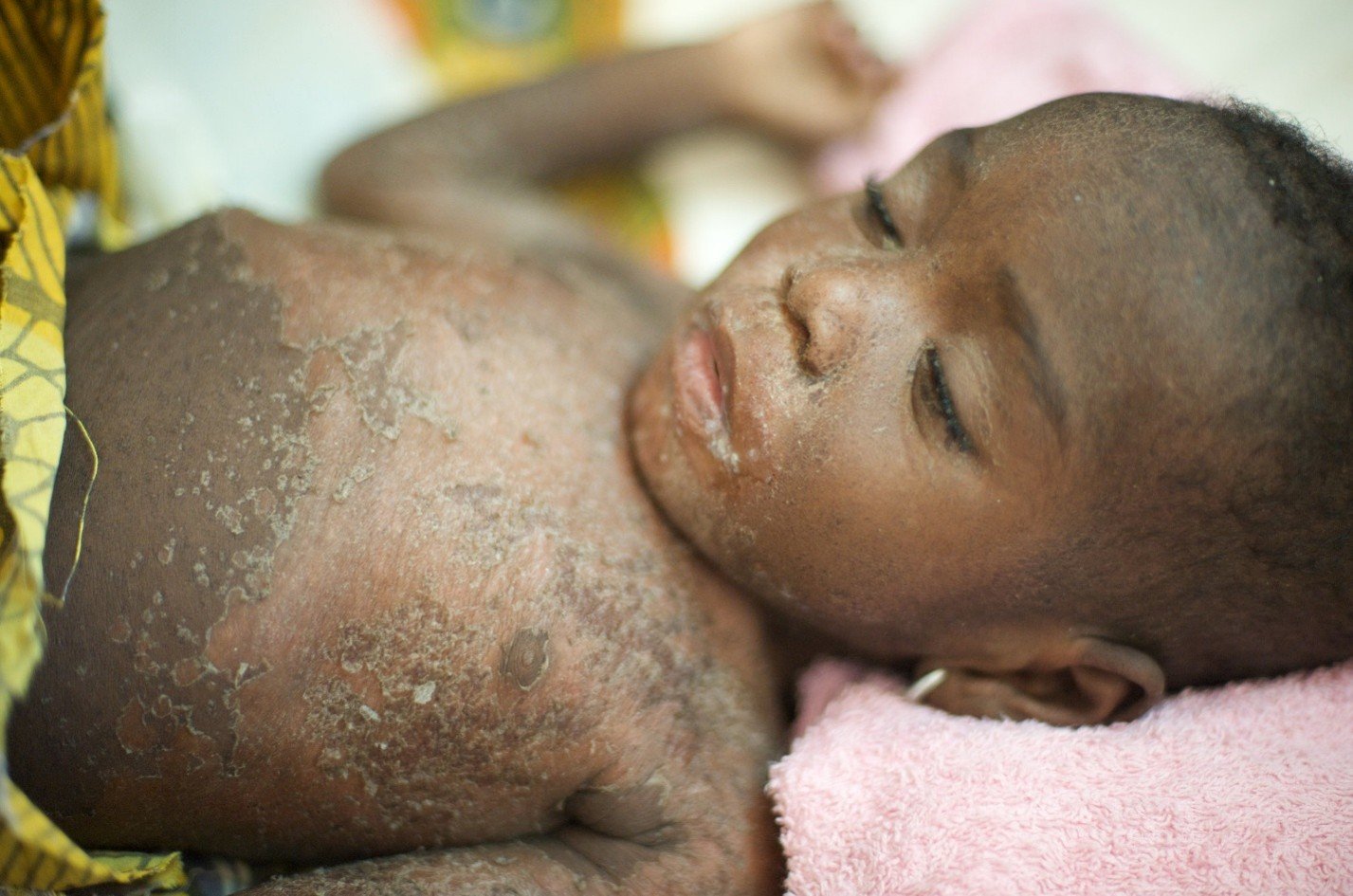
Why it happens: Dengue rash occurs due to vascular leakage, thrombocytopenia, and immune-mediated damage to capillaries. Two types are common: a maculopapular rash during defervescence and a petechial rash from bleeding under the skin. Rash is often itchy and appears between days 3–6 of illness.
Common OTCs
Unlike fever or headache, there is no specific treatment. Relief is mainly through supportive skin case with safe OTC products. These include:
- Oral antihistamines for itching relief if the rash is itchy. These can be fast acting but sedating (Benadryl) or non-drowsy daily options (Claritin, Zyrtec, Allegra).
- Topical anti-itch creams and lotions for localized treatment. These include classic skin soothers for irritation and itch ( Calamine lotion), those cooling for sensitive skin ( Aloe vera gel), and short-term relief for inflamased rash ( hydrocortisone 1% cream ).
- Skin hydration and cooling products can also help. There are the fragrance-free moisturizers ( e.g., CeraVe, Aveeno, Eucerin), cooling gels/patches (BeKool, THeraPearl packs), and oatmeal baths/powders ( e.g., Aveeno Soothing Bath).
Diarrhea

Source: Nick Youngson | Pix4free
Why it happens: Though not always present, diarrhea can result from direct viral effects on the gut epithelium, systemic inflammation, and fluid shifts from increased capillary permeability. Diarrhea contributes to dehydration, compounding the risk of severe dengue.
Common OTCs
- Oral rehydration solutions ( e.g., WHO ORS packets, Hydralyte) as they replace fluits and electrolytes lost from diarrhea.
- Bismut subsalicylate (pepto-bismol) as these can help reduce mild diarrhea and nausea.
- Probiotics (e.g., Culturelle, florastor, align) as they can help restore gut microbiota balance nd reduce duration of mild diarrhea.
Final Thoughts
Understanding the mechanisms behind each dengue symptom helps demystify this complex viral disease. Most symptoms are caused by a combination of viral replication, immune response, and vascular damage. Early recognition and monitoring for warning signs, like persistent abdominal pain, vomiting, or bleeding, are key to preventing severe complications.