Dengue Out of Control in Latin America: Can Surveillance Turn the Tide?
Figure 1. CDC Gravid Trap for mosquito surveillance and pathogen testing. Source: NIAID, Flickr. In 2024, Latin America and the Caribbean faced the worst dengue outbreak in recorded history, with over 12.6 million suspected cases and more than 7,700 deaths,…
Mosquitoes, Myths, and Mistakes: What’s Really Driving Dengue in Colombian Homes
Colombia continues to be one of the countries most impacted by dengue fever in Latin America. A recent study by Jaramillo-Ramirez et al. published in Scientific Reports, sheds new light on how community knowledge, attitudes, and environmental conditions shape the…
Dengue Fever in Colombia: What You Need to Know
In 2024, Colombia faced its worst dengue outbreak in history—reporting over 290,000 cases and ranking among the top five globally. Driven by climate change, rapid urbanization, and virus diversity, the surge exposed deep public health challenges. But innovative strategies, like deploying Wolbachia-infected mosquitoes in Cali, are offering new hope for sustainable dengue control in Latin America.
Fighting Dengue with AI: Nature-Inspired Mosquito Control
Artificial intelligence is transforming mosquito control in Brazil by enhancing biological strategies like Wolbachia deployment, predator analysis, and drone-assisted hotspot detection. As shown in research by Beraldo et al., integrating AI with nature-based methods offers a smarter, more sustainable path to dengue prevention, reducing reliance on pesticides while empowering communities.
Harnessing Nature for Sustainable Dengue Control in Latin America
Figure 1. Aedes aegypti, the yellow fever mosquito. Picture taken by Muhammad Mahdi Karim from Wikipedia. Dengue fever remains a persistent global health threat, especially in tropical regions like Latin America. Despite political instability and recent reduced federal funding for…
Five factors behind Latin America’s Alarming Dengue Spike
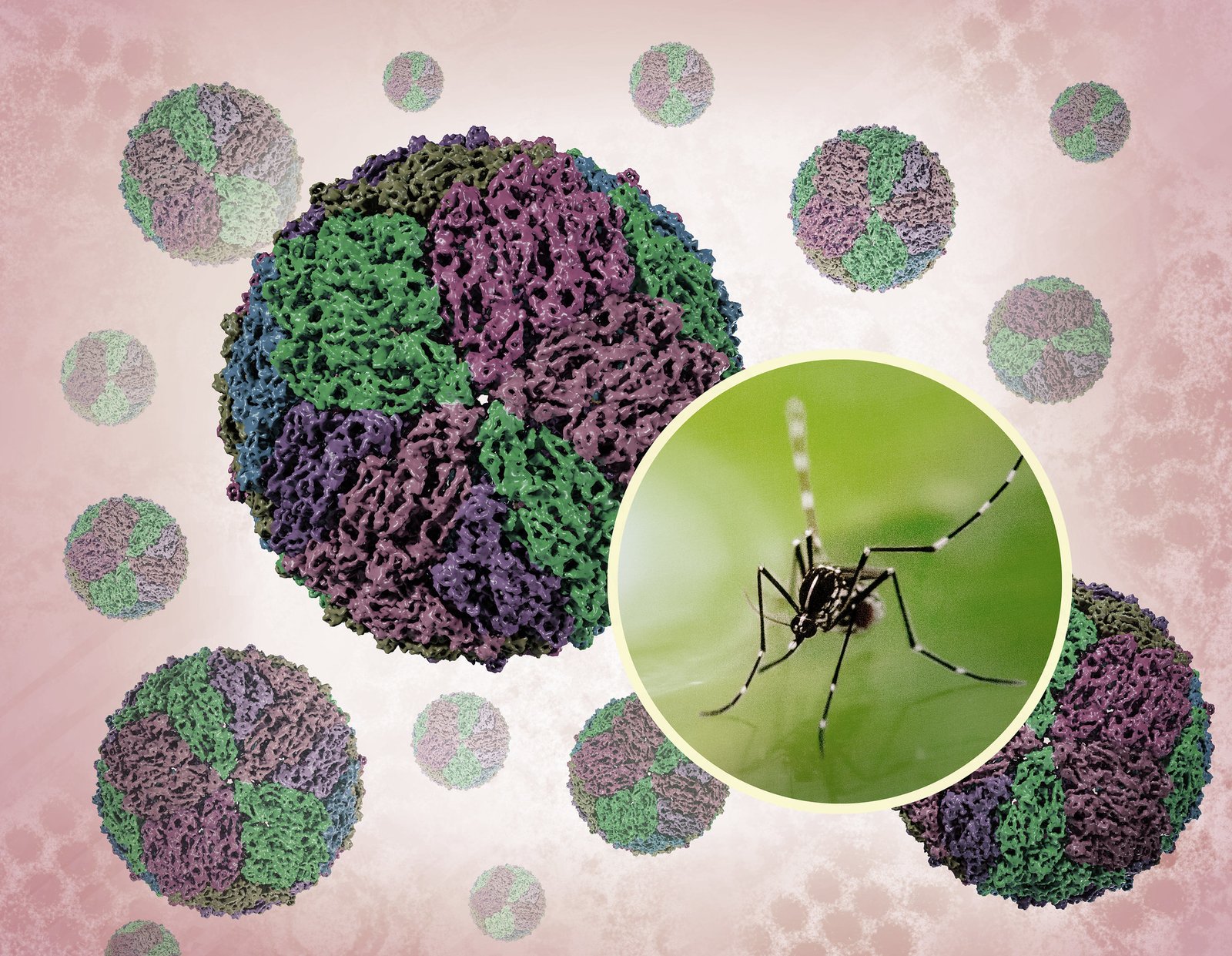
Dengue is exploding across Latin America, with over 12 million cases and 1,000+ deaths reported in 2024 alone. What’s driving this surge? From invasive mosquito species and fast-evolving viruses to vaccine gaps and climate extremes, the region is facing a perfect storm of risk. In this post, we break down five key factors fueling the spike, and what it means for the future of public health in Latin America.
What Hispanics think of using AI in healthcare and medicine
AI is creeping into our lives, including medical research and provider care. But, what do Hispanics think of using AI in health and medicine?
A COVID-19 political remedy to worry about
What can we learn about the Ivermectin craze for policy and decision making?
Need a cheap remedy to fight COVID-19?
Here I provide further details on papers that contributed to the Ivermectin hype, giving false hope to both the scientific community and the public, but were ultimately retracted because of unreliable and unsupported data and interpretations.
The truth behind Ivermectin use for COVID-19
What does reliable science tells us about using Ivermectin to combat COVID-19?
Using AI for tumor histology research
Although Hispanics are less likely to suffer from the most common cancers (e.g., lung, breast) than non-Hispanic Whites, they have a higher risk for those less common cancers that are also associated with infectious agents (e.g., liver, cervix).
AI can discriminate against minorities and spread scientific misinformation
Note. This is updated from a previous blog post I published a long time ago in robotic healthcare on November 29,2018 >>> Hello, World! You may remember from the pre-COVID times the use of the new genome editing technique CRISPR-Cas9…


Recent Comments