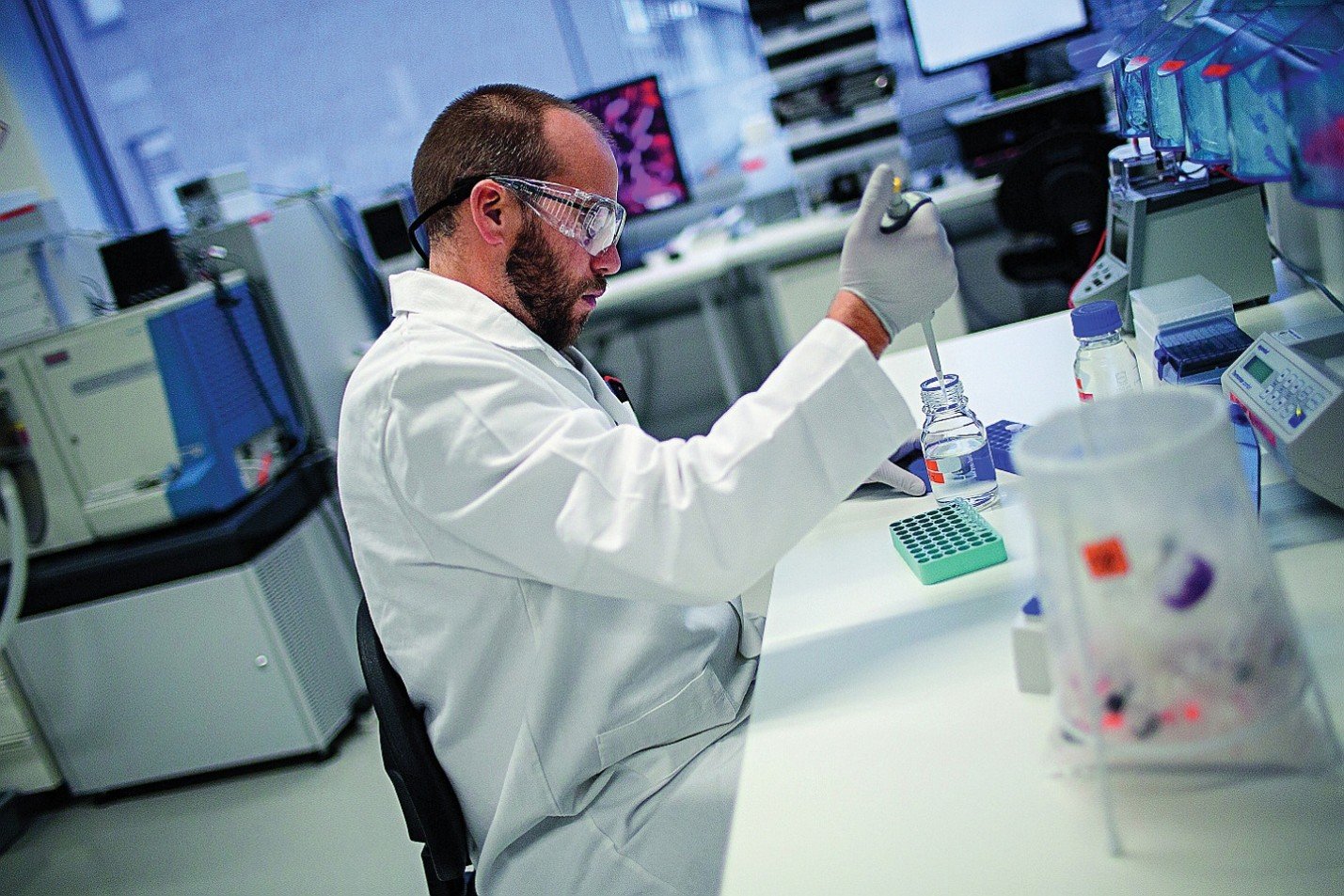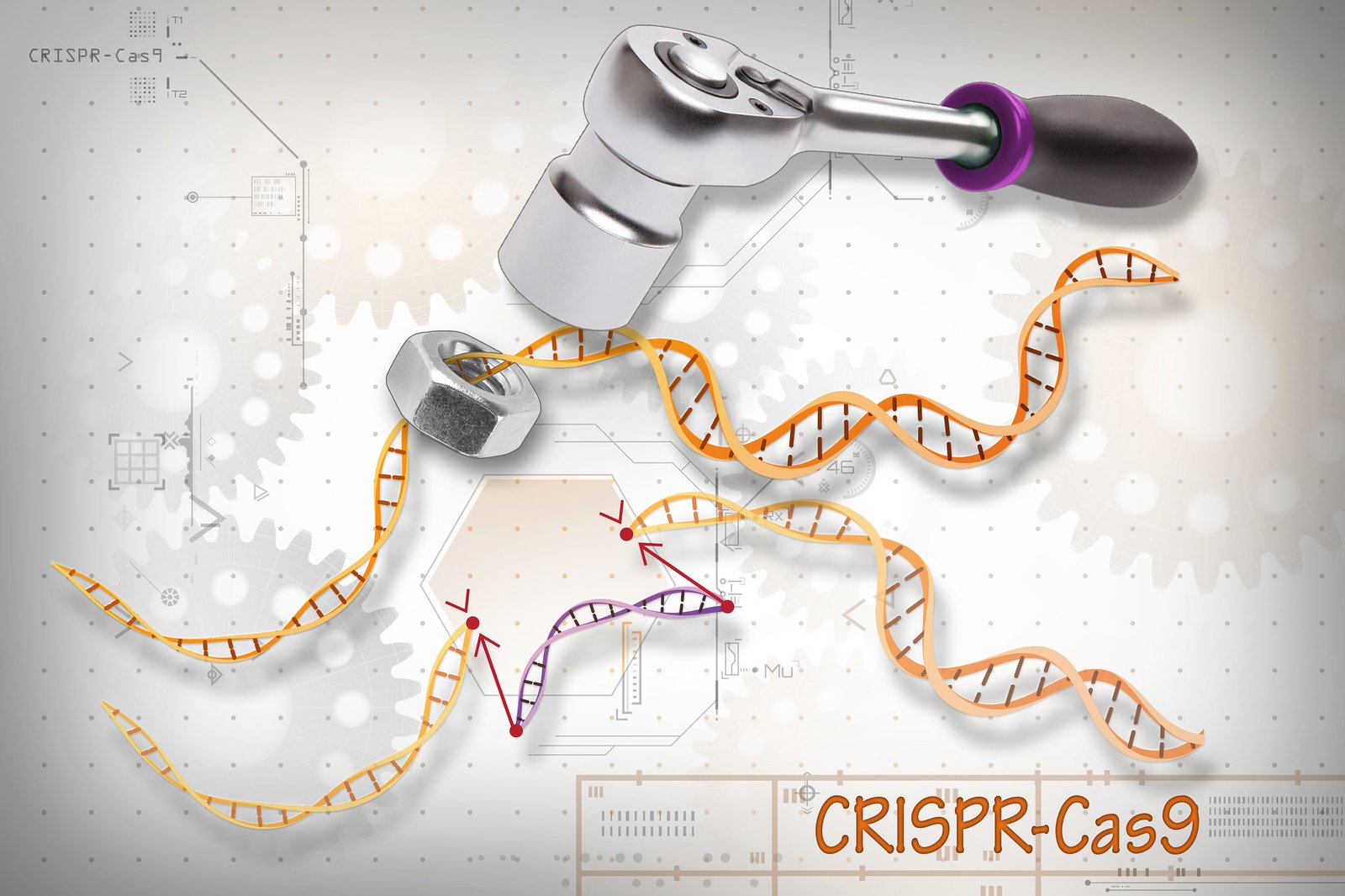
Source: NIH Image Gallery via Flickr.
Speed matters, not only for avoiding a speeding ticket, but also when a virus begins to spread.
The earlier a pathogen is detected, the faster public health systems can isolate cases, track transmission, and stop outbreaks.
Although the Polymerase Chain Reaction (PCR) has been the gold standard for viral detection for decades, a new approach, Clustered Regularly Interspaced Short Palindromic Repeats (CRISPR), is emerging as a faster approach for viral diagnostics.
In the lab I use CRISPR for gene-specific deletion or “gene knock out” as an approach to understand how important this gene is for blocking viral proliferation.
But beyond the walls of the laboratory, CRIPSR-based diagnostics is redefining how fast and accessible viral detection can be compared to PCR detection to save lives.
From PCR to CRISPR: What’s Changing
PCR works by amplifying viral genetic material through repeated heating and cooling cycles.
This process is highly sensitive, but it requires specialized equipment, trained personnel, and time (typically 90–180 minutes per test).
Instead of relying on thermal cycling, CRISPR diagnostics use programmable enzymes, such as Cas12 and Cas13, to directly recognize viral DNA or RNA sequences.
These systems operate at a constant temperature, eliminating the need for complex machines and reducing processing time to as little as 30–60 minutes.
How CRISPR Detects a Virus
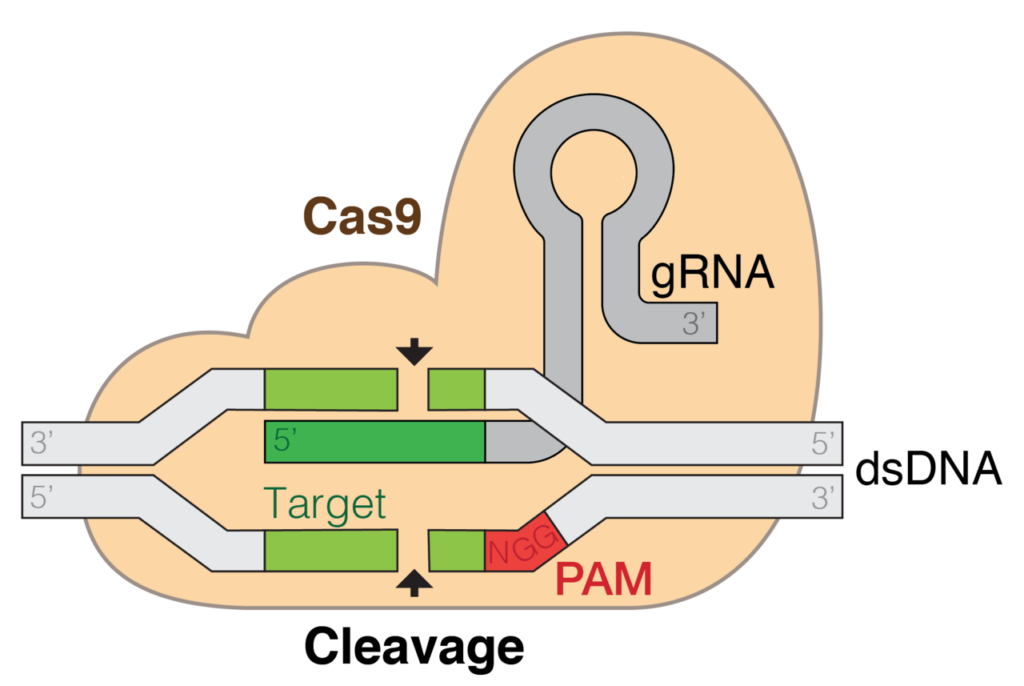
Source: Marus walter via Wikimedia Commons.
CRISPR diagnostics are built on a simple but a powerful principle: sequence-specific recognition followed by signal amplification.
How it works: a guide RNA (gRNA) is designed to match a viral sequence (e.g., dengue or SARS-CoV-2). The CRISPR enzyme (Cas12 or Cas13) scans the sample for that exact sequence. Once the target is found, the enzyme becomes activated and begins cutting nearby reporter molecules.
This collateral cleavage releases a detectable signal, often fluorescence or a visible band on a strip, making CRISPR so fast and sensitive.
A single recognition event can generate a strong signal without needing extensive amplification cycles .
Speed With High Accuracy
One of the biggest concerns with faster diagnostics is whether they compromise accuracy.
CRISPR-based platforms like SHERLOCK and DETECTR achieve sensitivity and specificity comparable to PCR, often exceeding 95% sensitivity and ~99–100% specificity in clinical studies .
This combination of speed and accuracy makes CRISPR diagnostics especially valuable during early infection stages, when viral loads may still be low and rapid decisions are critical.
Why CRISPR Is Faster Than PCR
The speed advantage of CRISPR comes down to three key differences:
1. No thermal cycling
PCR requires repeated heating and cooling, which adds time and equipment complexity. CRISPR operates at a constant temperature, simplifying the workflow .
2. Direct signal amplification
Instead of amplifying DNA through cycles, CRISPR amplifies the signal through enzyme activity, producing detectable results faster .
3. Simplified workflows
Many CRISPR assays integrate sample processing, amplification (if needed), and detection into a single reaction (“one-pot”), reducing hands-on time and contamination risk .
Why This Matters for Public Health in Latin America
Source: US Navy via Picryl.
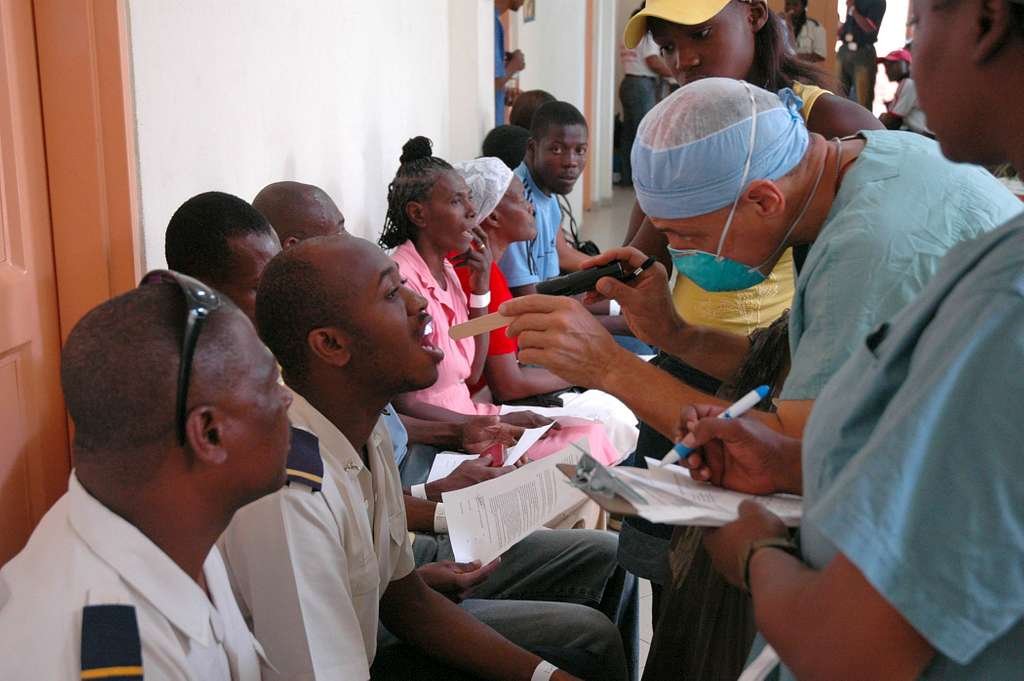
For regions with limited lab infrastructure, such as parts of Latin America, CRISPR diagnostics could be transformative.
These tests are portable, low-cost, and adaptable, often using lateral-flow strips similar to pregnancy tests.
That means viral detection can move closer to patients: clinics, rural settings, and outbreak zones.
CRISPR also enables multiplex detection, allowing multiple viruses, like dengue, Zika, and chikungunya, to be identified in a single test.
This is critical in regions where co-circulating arboviruses complicate diagnosis and treatment.
The Future of Viral Detection
CRISPR diagnostics are not replacing PCR, at least not yet.
PCR remains highly standardized and widely deployed. But CRISPR is expanding what diagnostics can look like.
As these systems continue to improve and gain regulatory approval, they are poised to become a frontline tool in outbreak response.
For Pathogenos readers, the takeaway is clear: the future of viral detection is accurate, faster, more accessible, and closer to the communities that need it most.