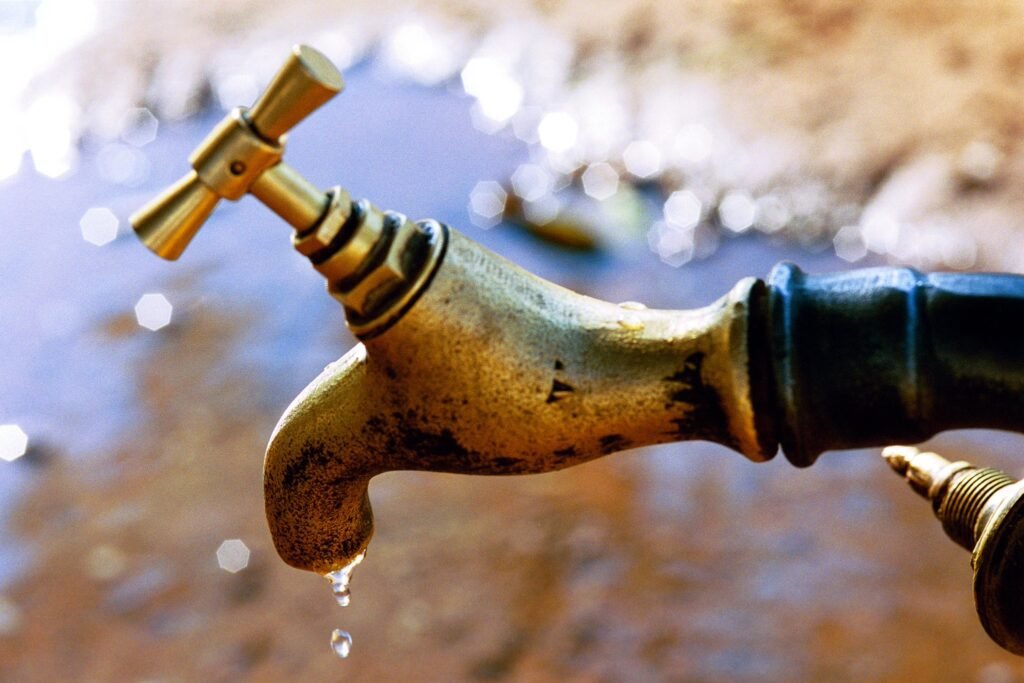
Source: Eric Miller/ World Bank via Flickr
Highlights
• H. pylori detected in tap water and biofilms
• Low chlorine allows H. pylori survival
• Plumbing biofilms may harbor H. pylori
The World Health Organization estimates that 3.3% of global deaths are linked to microbes in contaminated drinking water. Among these microbes in tap water is Helicobacter pylori ( H. pylori ).
H. pylori is a Class I carcinogen and a major cause of gastritis, ulcers, and gastric cancer. These diseases disproportionately affect Hispanic and Latin American populations.
Globally, H. pylori infection remains widespread. Prevalence reaches about 69% in South America, compared with 34% in Western Europe and 37% in North America, highlighting major regional disparities in exposure and transmission.
I have previously explored the burden of H. pylori across Latin America, including its diseases, transmission routes, and growing antibiotic resistance across the region.
In Latin American countries like Peru, however, uneven access to reliable sanitation and drinking-water infrastructure can increase the risk of environmental exposure.
This article goes over a recent study by María Custodio and colleagues, published in the open-access journal Heliyon, that set out to answer that question by examining tap water from multiple communities in central Peru.
Low Chlorine and Biofilms Allow H. pylori to Persist in Tap Water
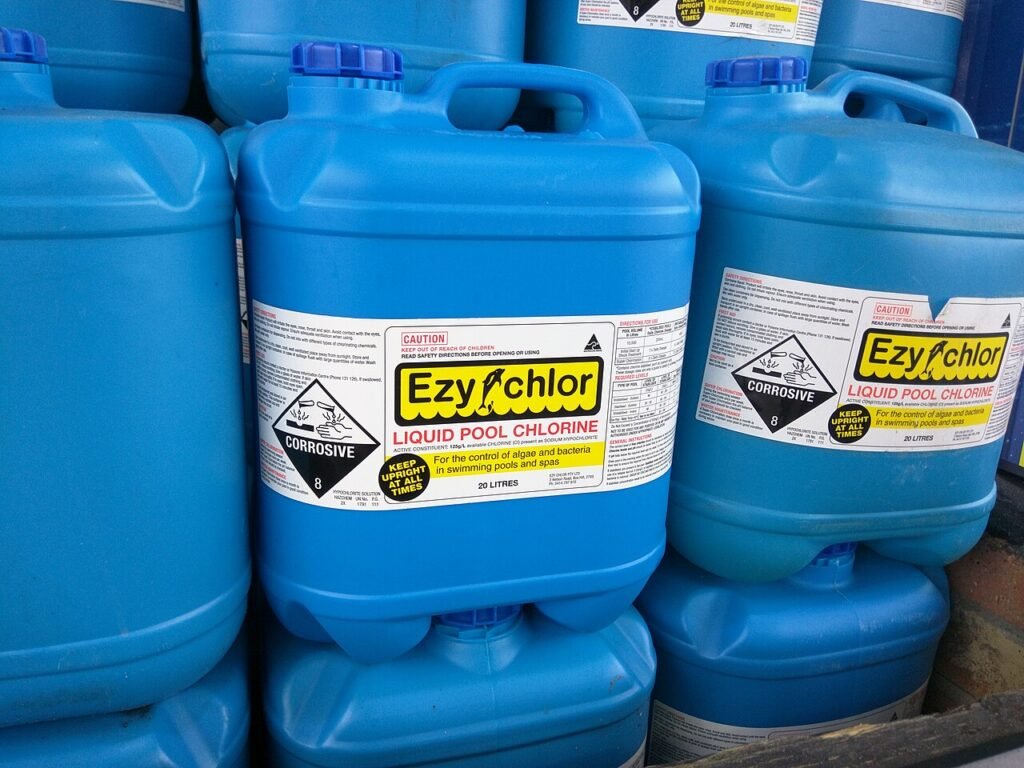
Source: Maksym Kozlenko via Wikimedia Commons.
Researchers found Helicobacter pylori in a small number of household water samples.
Out of 192 tap-water samples, the bacterium appeared in 2 samples (about 1%), and it was also found in 3 samples taken from biofilms inside household taps (about 1.6%).
Tap-water samples containing H. pylori were detected in Chilca (Huancayo province) and Huamancaca Chico (Chupaca province). Most of the positive detections, however, came from biofilms inside taps, particularly in El Tambo and Chilca.
The study suggests that while H. pylori was not common in the water itself, it could still persist inside the thin microbial layers that form on the inside of household faucets and plumbing systems.
The findings suggest that even though abundance in tap water was low, the organism can still persist in drinking-water systems, especially where sanitation conditions weaken.
Water Conditions Across Districts Influenced H. pylori Survival

Source: Graphical abstract from Custodio et al. published in Heliyon.
While most measurements remained within Peru’s drinking-water standards, pH in Huancayo (9.25) and turbidity in Jauja (5.15 NTU) exceeded recommended limits.
Another important finding involved chlorine levels, which help disinfect drinking water.
In the samples where Helicobacter pylori was detected, particularly in districts like Chilca and Huamancaca Chico, the free chlorine levels ranged from only 0.02 to 0.12 mg/L, far below the levels typically recommended for effective disinfection.
In simple terms, these water conditions, especially low chlorine and occasional high turbidity, may allow bacteria like H. pylori to survive in tap water systems or inside biofilms that form in household pipes and faucets.
Taken together, the study paints a clear picture: the bacterium was not widespread in every district, but where chlorine residuals were low and biofilms were present, household taps could still serve as a potential reservoir for H. pylori.
Why H. pylori in Tap Water Matters for Peru’s Public Health System
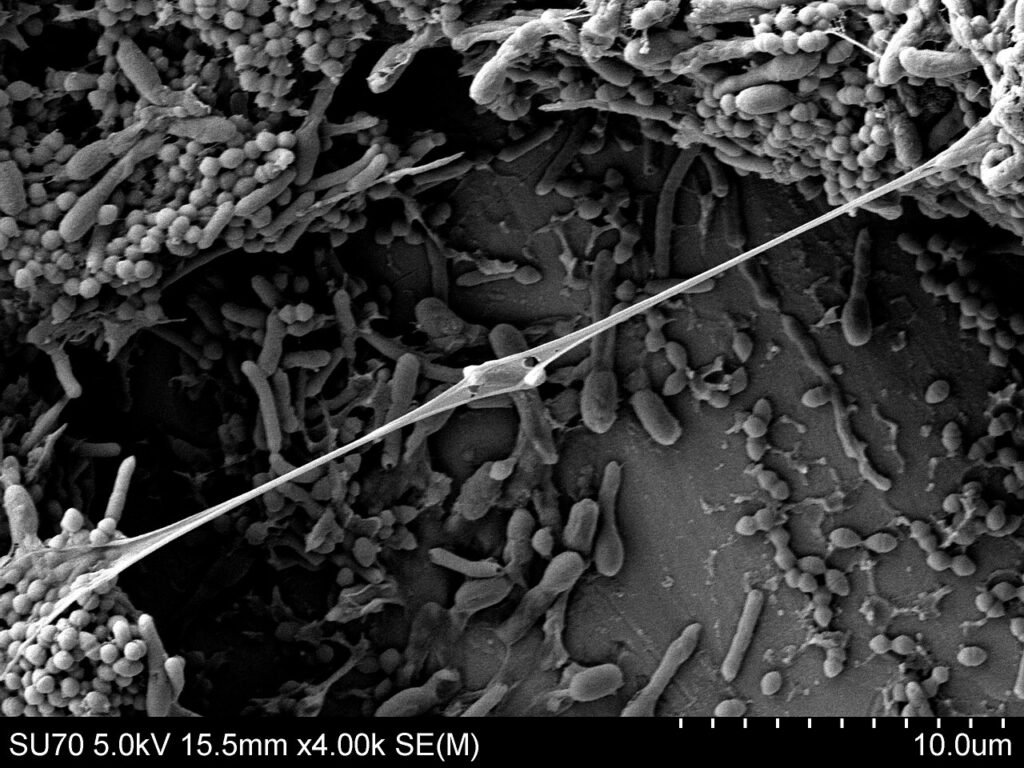
Mixed culture biofilm. Source: Krzysztof A. Zacharski via Wikimedia Commons.
In Peru, the drinking-water system is not run by a single actor.
The Ministry of Housing, Construction and Sanitation (MVCS) sets national policy and leads the sector while municipalities are then responsible for service provision under sector rules.
In the meantime, EPS utilities and rural community providers operate systems, SUNASS regulates service performance, OTASS strengthens and assists urban utilities, and DIGESA monitors the sanitary quality of drinking water through the national surveillance system.
Peru is already trying to improve the system through multiple actions including sector reform, utility-capacity strengthening, operator certification, and stronger water-quality surveillance.
This H. pylori study suggests Peru could strengthen monitoring within the water distribution system by implementing the following:
- Maintaining effective chlorine levels.
- Closely tracking pH and turbidity.
- Replacing aging pipes that support biofilms.
- Improving surveillance in peri-urban areas where disinfection may fail
If the problem is not only source water but also what happens after treatment, then Peru has to treat chlorination control, network maintenance, and tap-level monitoring as part of disease prevention, not just infrastructure management.
Why H. pylori in Tap Water Matters for Public Health

Source: Dr. Scott Corlew in Cusco | ReSurge International via Flickr.
These findings show that water-system conditions can shape where Helicobacter pylori survives, even when overall detection levels remain low.
In the Junín region of Peru, researchers recovered H. pylori from 1.04% of tap water samples and 1.56% of faucet biofilm samples, demonstrating that the bacterium can persist within household water infrastructure.
The positive samples appeared in districts where free residual chlorine ranged from just 0.02–0.12 mg/L, far below the ≥0.5 mg/L level recommended for effective disinfection.
Some locations also showed elevated pH and turbidity, conditions that can reduce the antimicrobial power of chlorine.
H. pylori can tolerate a wide pH range and attach to surfaces such as pipes and faucets, allowing it to persist in biofilms inside water distribution systems.
When chlorine concentrations fall or water chemistry shifts, the bacterium may survive or enter a viable but non-culturable state, making detection harder while still maintaining infection potential.
Because H. pylori infection contributes to multiple diseases ( e.g., gastritis, ulcers, and gastric cancer worldwide) these results highlight the need for consistent chlorination, monitoring of water chemistry, and maintenance of aging distribution systems to reduce environmental exposure risks.
Together, these findings suggest that even treated drinking water systems can harbour H. pylori when distribution networks allow biofilms to form or when disinfection levels drop below optimal thresholds.
Subscribe to Pathogenos
Subscribe to stay informed on the latest discoveries in infectious diseases, environmental health, and global outbreaks. From pathogens in drinking water to emerging public-health threats, Pathogenos breaks down complex science into clear insights that matter for our communities.