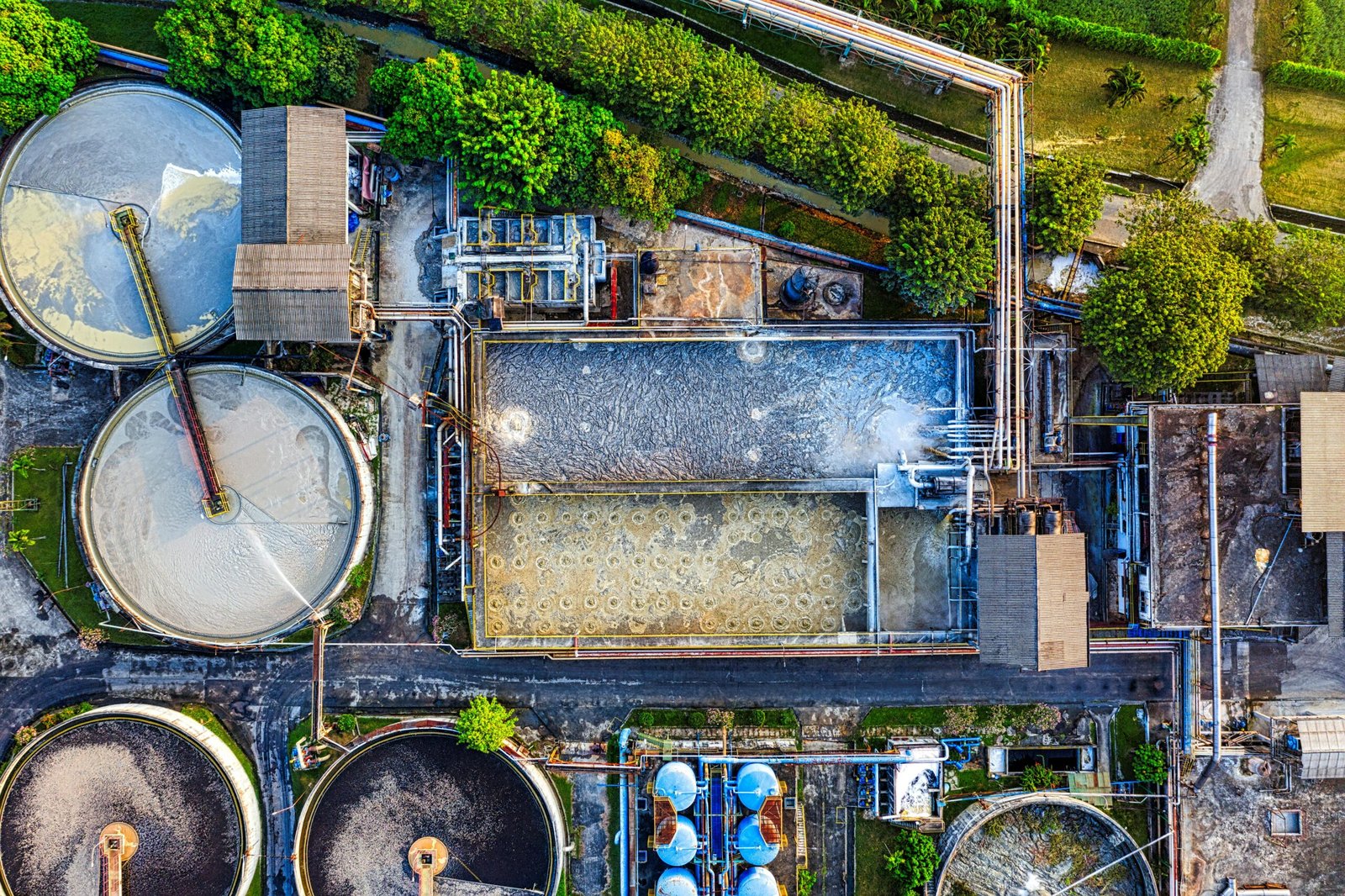

Source: Mohamed Mahmoud Hassan via Public Domain Pictures.
Worldwide, we face the harsh reality of suicide, a growing public health crisis where individuals end their lives for many reasons, often rooted in a loss of the will to live.
In Latin America, the suicide rate reached 6.8 per 100,000 people in 2021, marking a 5% increase from 2020.
However, humans are not the only beings on this planet. Bacteria also face constant threats to survival.
One thing humanity can learn from these microscopic organisms is their relentless drive to persist.
This is especially true for pathogenic bacteria like Helicobacter pylori (H. pylori), a microorganism uniquely adapted to survive in extreme and hostile environments.
H. pylori evolved to colonize the human stomach, an environment defined by high acidity, protective mucus layers, and constant immune pressure.
Yet studies continue to detect H. pylori in drinking water systems, including in Latin American countries such as Peru and Colombia.
This raises a critical public health question: how does a stomach-adapted bacterium survive and persist in tap water?
The answer lies in its remarkable ability to adapt and survive. In this article, we explore the key survival mechanisms that allow H. pylori to persist beyond the human host and what this means for water safety and disease transmission.
The Role of Urease: A Way to Survive Inside the Host
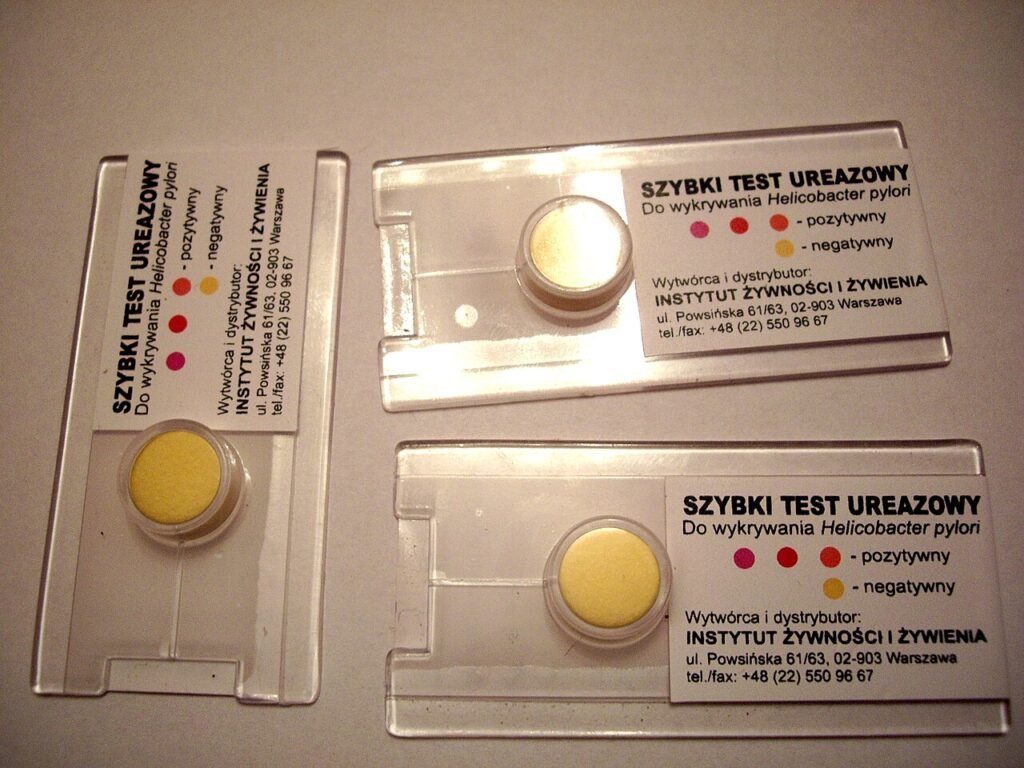
Rapid urease test. Source: Louve.pl via Wikimedia Commons.
Rather than trying to grow in an unfamiliar environment, H. pylori shifts into a survival mode.
This survival mode allows it to endure stress, conserve energy, and remain viable long enough to move between hosts.
Inside the stomach, H. pylori produce urease, an enzyme that neutralizes gastric acid by generating ammonia.
It also uses flagella, its unique spiral structure, to navigate the mucus layer and reach epithelial cells.
These traits are great for the bacteria inside our bodies, but once outside the host, those same mechanisms offer little advantage.
In water, H. pylori faces a completely different set of challenges: limited nutrients, temperature fluctuations, oxidative stress, and exposure to disinfectants.
So how can it thrive in harsh conditions outside the host?
The non-culturable (VBNC) state: H. pylori’s Way to Endure in the Outside World
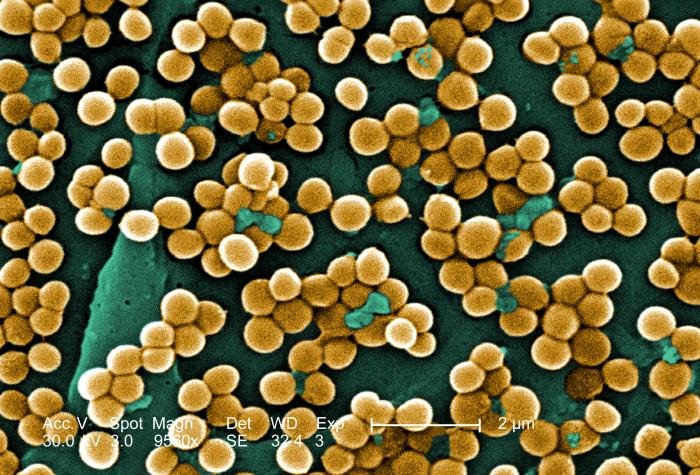
Cocci shape by staphylococcus aureus. Source: Microbe world via Flickr.
One of the most important biological adaptations that supports this shift is the transition into what is known as a viable but non-culturable (VBNC) state.
In this form, H. pylori reduces its metabolic activity, stops dividing, and even changes its physical shape.
It changes from its characteristic spiral into a more compact coccoid form. Amazing survival skills, right?
This transformation allows H. pylori to conserve energy and tolerate environmental stress.
The objective is to survive not replicate. This ability to “pause” its biology is central to its persistence.
In water systems survival depends less on replication and more on endurance.
To endure, H. pylori form complex, surface-associated communities known as biofilms.
Biofilms: How H. pylori Grow and Socialize to Endure

And neither is bacteria, especially ones trying to survive harsh conditions outside its host.
H. pylori’s biofilms line the inner walls of pipes, where microorganisms embed themselves within a matrix of extracellular material that they collectively produce.
Within these structures, H. pylori gains an additional layer of protection.
The biofilm matrix acts as a physical barrier, limiting the penetration of disinfectants such as chlorine.
Biofilms also stabilize local conditions. They can trap nutrients, reduce exposure to shear forces, and buffer environmental fluctuations.
For a bacterium like H. pylori, which is not well suited to free-living growth in water, these protected niches may be essential for survival.
In addition, the surrounding microbial community around H.pylori may further support its persistence.
In some cases, interactions with other bacteria or even protozoa may provide indirect protection, creating micro-niches that shield it from stress.
Rather than surviving alone, H. pylori may rely on the collective environment created by other microbes.
From Survival to H. pylori Eradication in Water
Understanding how H. pylori survives in water, through biofilms and its viable but non-culturable (VBNC) state, reveals where intervention matters most.
Biofilms protect the bacteria from chlorine, so water systems must go beyond standard disinfection by maintaining consistent chlorine levels, reducing pipe buildup, and actively disrupting biofilm communities.
Detection is equally critical. VBNC H. pylori often escapes traditional testing, allowing contamination to persist unnoticed.
Integrating PCR-based surveillance enables earlier detection and targeted response.
Together, biofilm control, improved infrastructure, and molecular monitoring can reduce H. pylori transmission through drinking water.
What This Means for Latin America
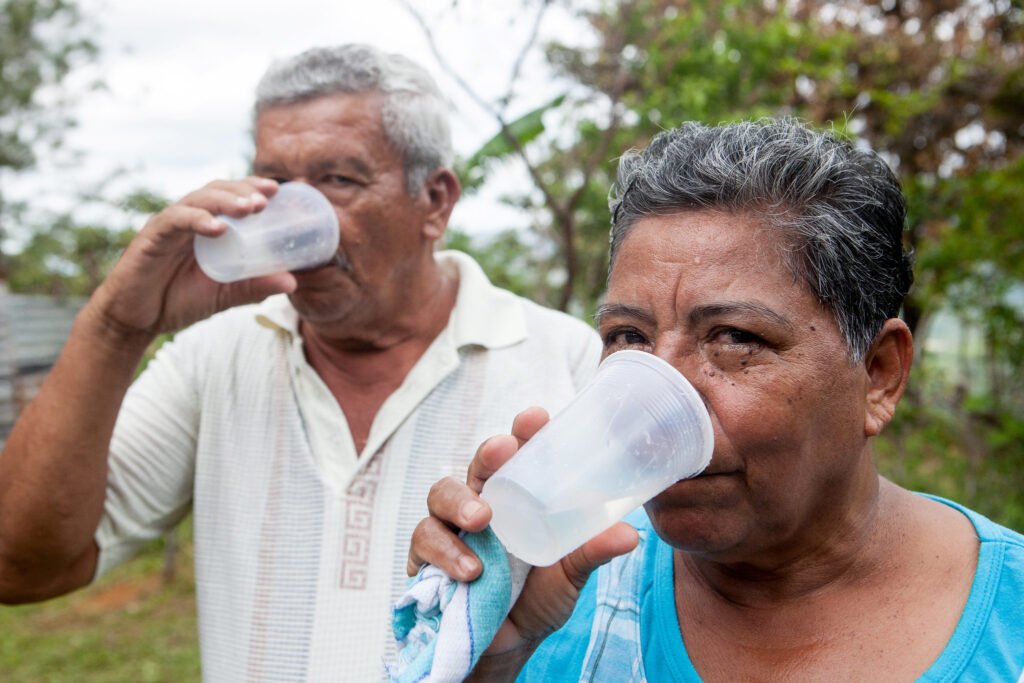
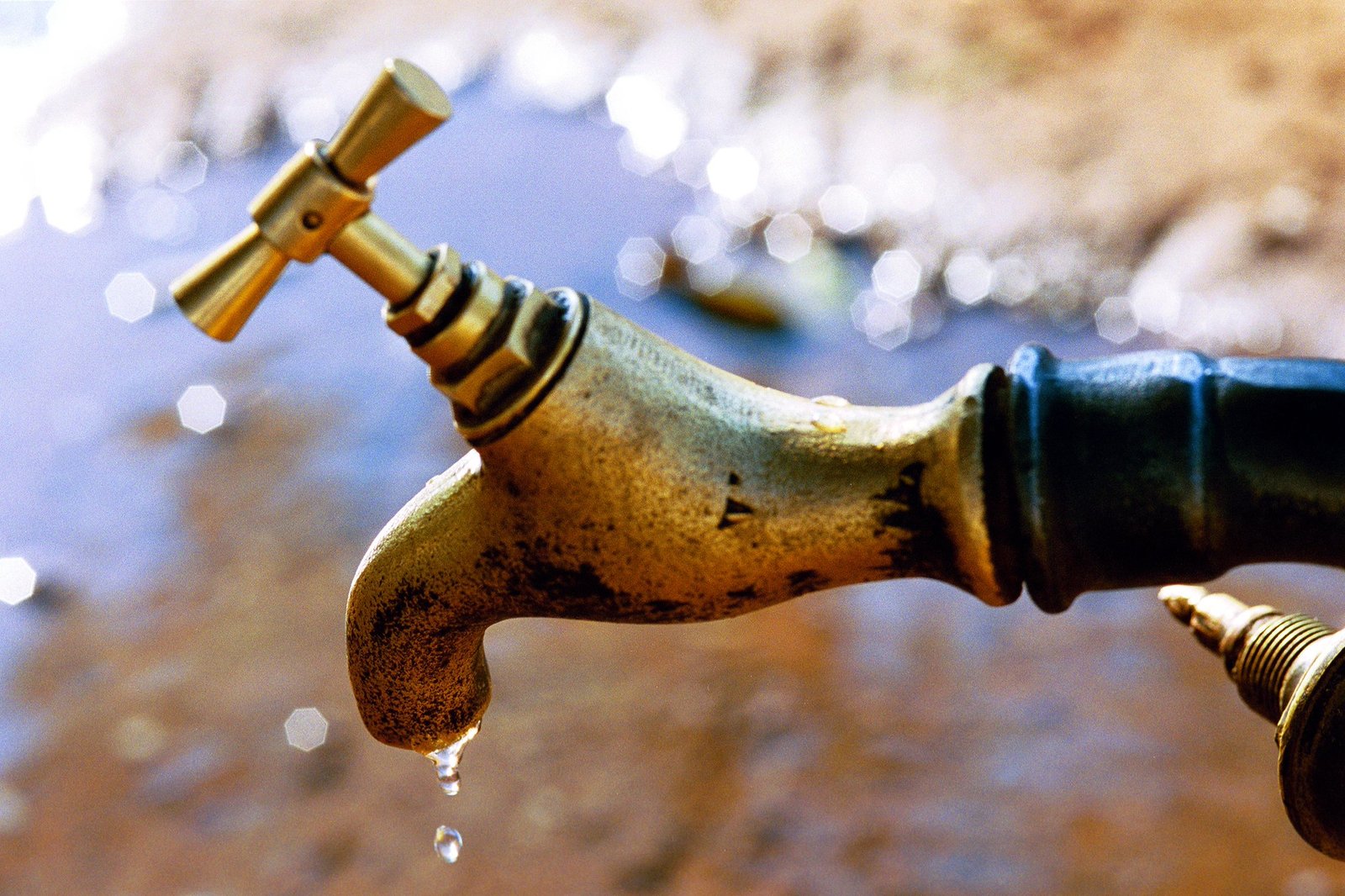
Source: World Bank Photo via Flickr.
In many parts of Latin America, H. pylori survival in drinking water systems raises major public health concerns.
Inconsistent water treatment, low chlorine levels, and aging infrastructure promote biofilm formation, allowing H. pylori to persist within protected microbial communities.
This has direct implications for disease burden in Latin America, where H. pylori infection is highly prevalent and linked to gastritis, ulcers, and gastric cancer.
If water systems act as reservoirs, they may sustain cycles of infection despite treatment.
Addressing this risk requires strengthening water infrastructure, maintaining effective disinfection, and improving detection methods such as molecular testing.
Subscribe to Pathogenos if you want evidence-based updates on pathogens, outbreaks, and the science shaping our world. Join a growing community turning knowledge into action.