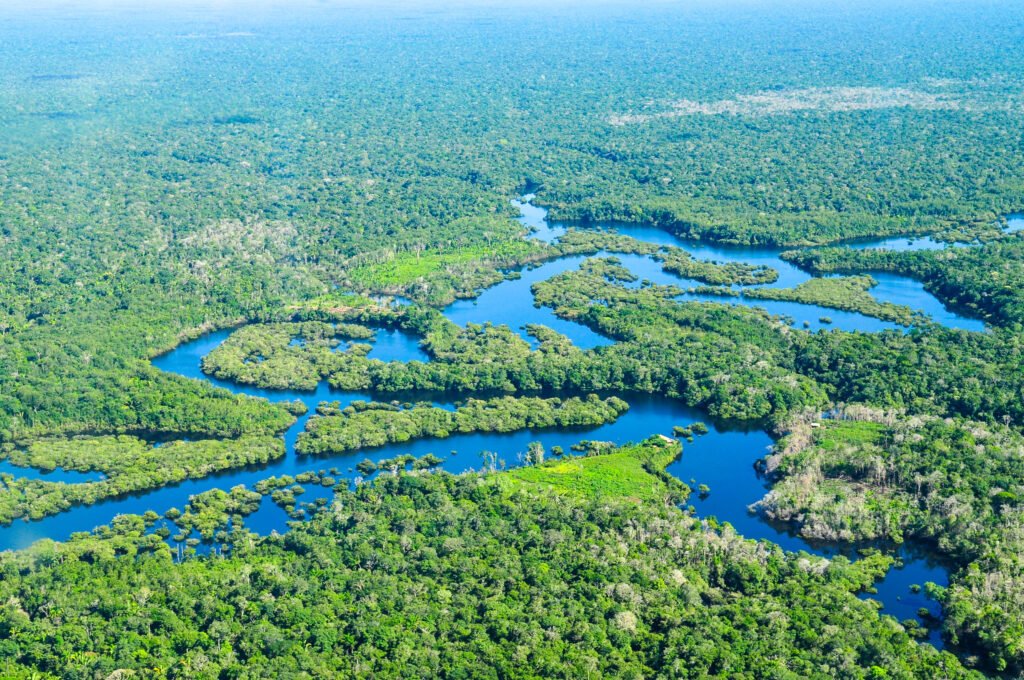
Amazon Rainforest. Source: CIFOR-ICRAF via Flickr.
Highlights
- Zika and chikungunya clusters overlap, revealing synchronized arbovirus transmission in Brazil.
- Northeast Brazil remains a hotspot, with spread to central-west and coastal regions.
- Rising temperatures and summer climate accelerate Aedes-driven outbreak risk.
On any given week in Brazil, millions move through packed football stadiums, crowded transit hubs, and the vibrant streets of Rio’s Carnival.
Movement, climate, and dense urban living shape how people experience the country, but they also shape how diseases move through it.
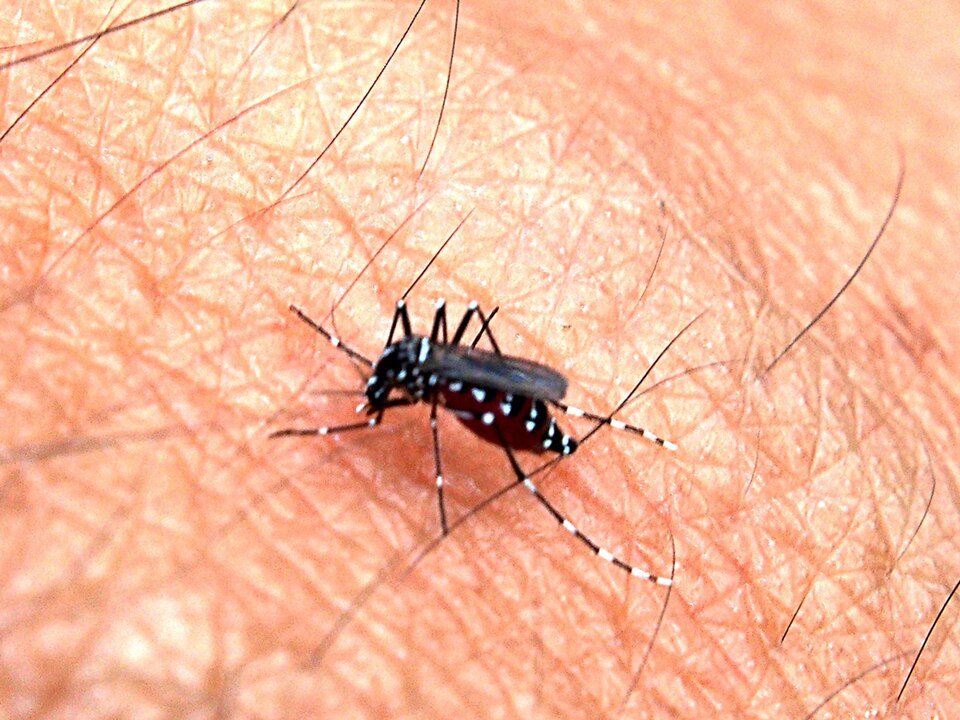
These same conditions help explain why mosquito-borne outbreaks rarely occur in isolation. Zika and chikungunya infections, both neglected tropical diseases, have repeatedly surged in the same regions.
This raises a key question: is this coincidence, or evidence of a shared transmission environment?
What if we could predict where the next surge begins, and why outbreaks often arrive in clusters rather than alone?
Here, we examine a study by Palasio et al., published in Scientific Reports, which uses spatial epidemiology to map outbreaks across place and time.
Mapping where outbreaks truly happen
To detect clustering, researchers used municipal-level surveillance data across Brazil.
Instead of looking at annual totals, they examined when and where cases appeared simultaneously. This allowed them to move beyond simple prevalence and identify spatial dependence, whether nearby areas experienced outbreaks together.
The main tool used was a space-time scan statistic, commonly implemented in epidemiology through SaTScan software.
This method places moving circular or cylindrical windows across a map and tests whether the number of cases inside each window exceeds what would be expected by chance.
Time is layered into the model so clusters must be concentrated both geographically and temporally.
By repeatedly scanning Brazil’s municipalities across multiple years, the analysis identified statistically significant clusters for Zika, chikungunya, and their co-occurrence.
These clusters were not random. They appeared in specific regions and during specific outbreak waves.
Brazil hotspots and climate drivers for Zika and Chikungunya infections
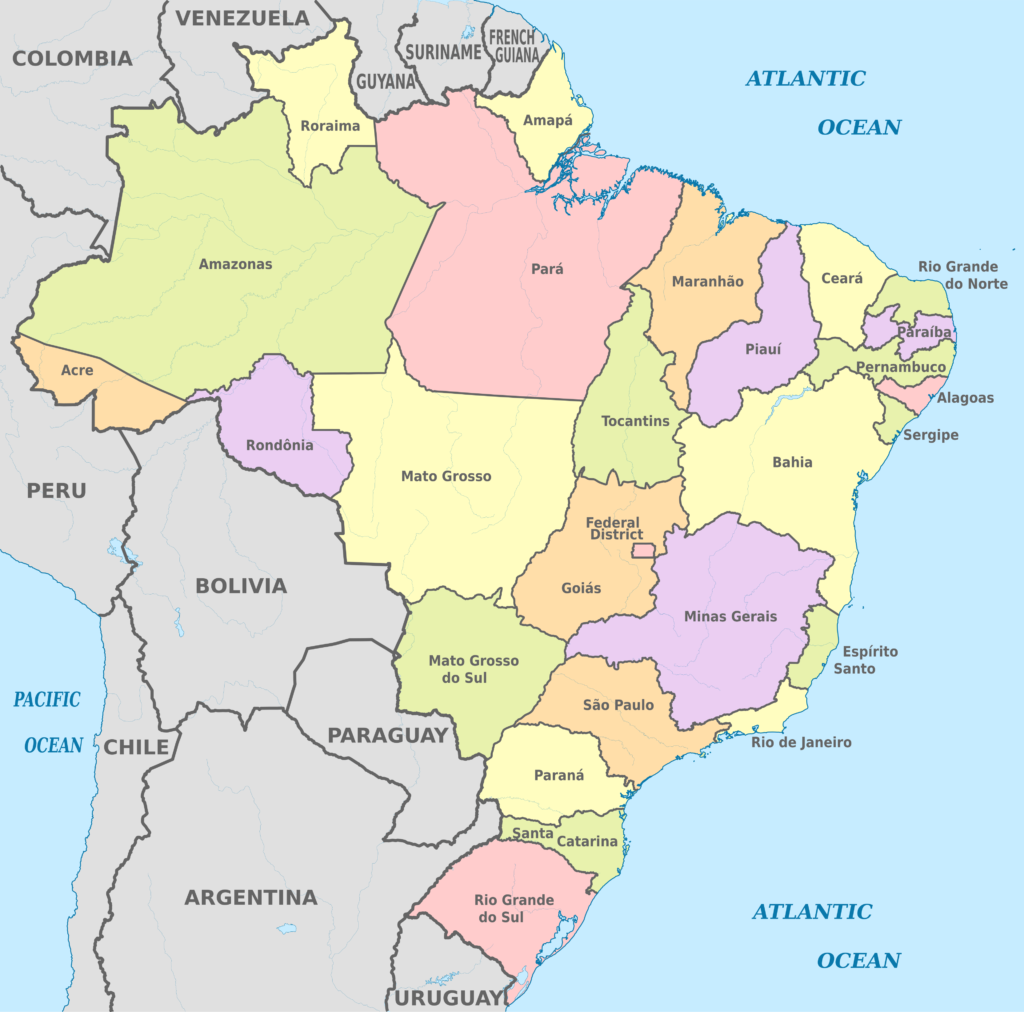
Map of administrative divisions of Brazil. Source: TUBS via Wikimedia Commons.
Scan statistics performed in their study identified northeast Brazil as the primary hotspot for Zika and chikungunya outbreaks (2015–2016), with chikungunya risk extending into 2017 and a national decline between 2018 and 2021.
However, transmission patterns shifted geographically, expanding into Brazil’s central-west and southeastern coastal regions, including São Paulo and Rio de Janeiro.
Seasonally, peak transmission occurred during Brazil’s summer months, when higher temperatures accelerate Aedes aegypti development and shorten viral incubation periods.
Even small temperature increases (0.7–2.6°C) were linked to higher risk, reinforcing concerns that climate change may intensify future arbovirus outbreaks.
Evidence of synchronized arbovirus transmission
One of the strongest findings was that areas experiencing Zika clusters often experienced chikungunya clusters within the same timeframe.
The overlap suggested that both viruses respond to similar environmental conditions and vector dynamics. Since both are transmitted by Aedes aegypti, this pattern reinforces that outbreaks reflect ecosystem conditions rather than pathogen-specific factors alone.
To quantify co-occurrence, researchers didn’t simply overlay maps. They performed joint clustering analysis, testing whether municipalities had statistically significant excess risk for both diseases simultaneously. This approach separates coincidence from true synchronized transmission.
The results showed that Brazil’s arbovirus outbreaks behave as multi-pathogen events, driven by vector ecology, climate conditions, and human mobility rather than independent viral introductions.
Why this matters for public health
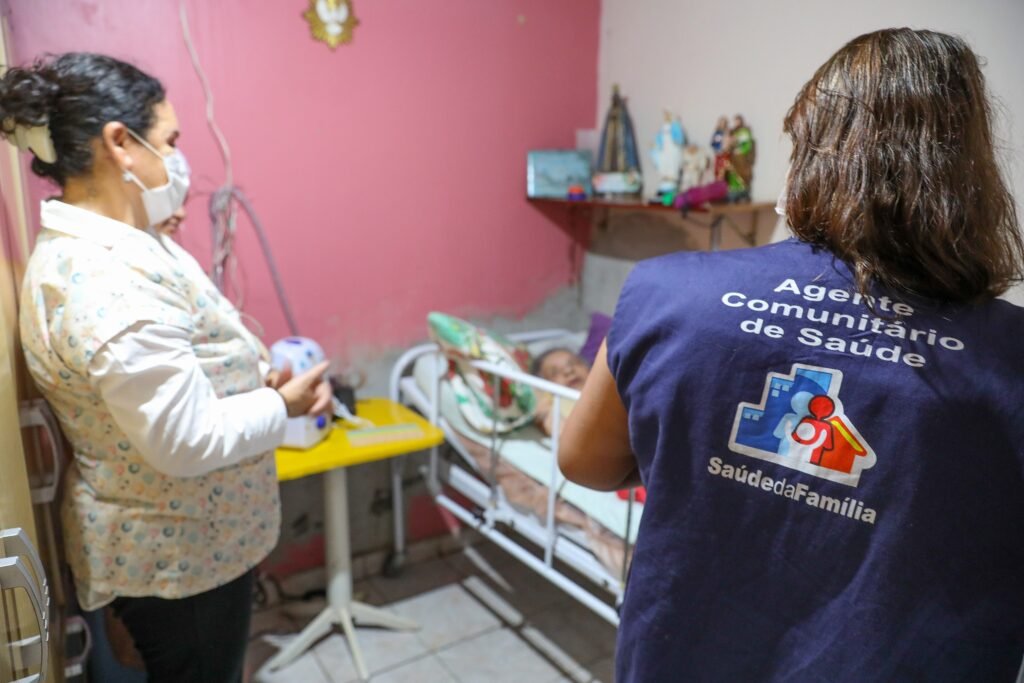
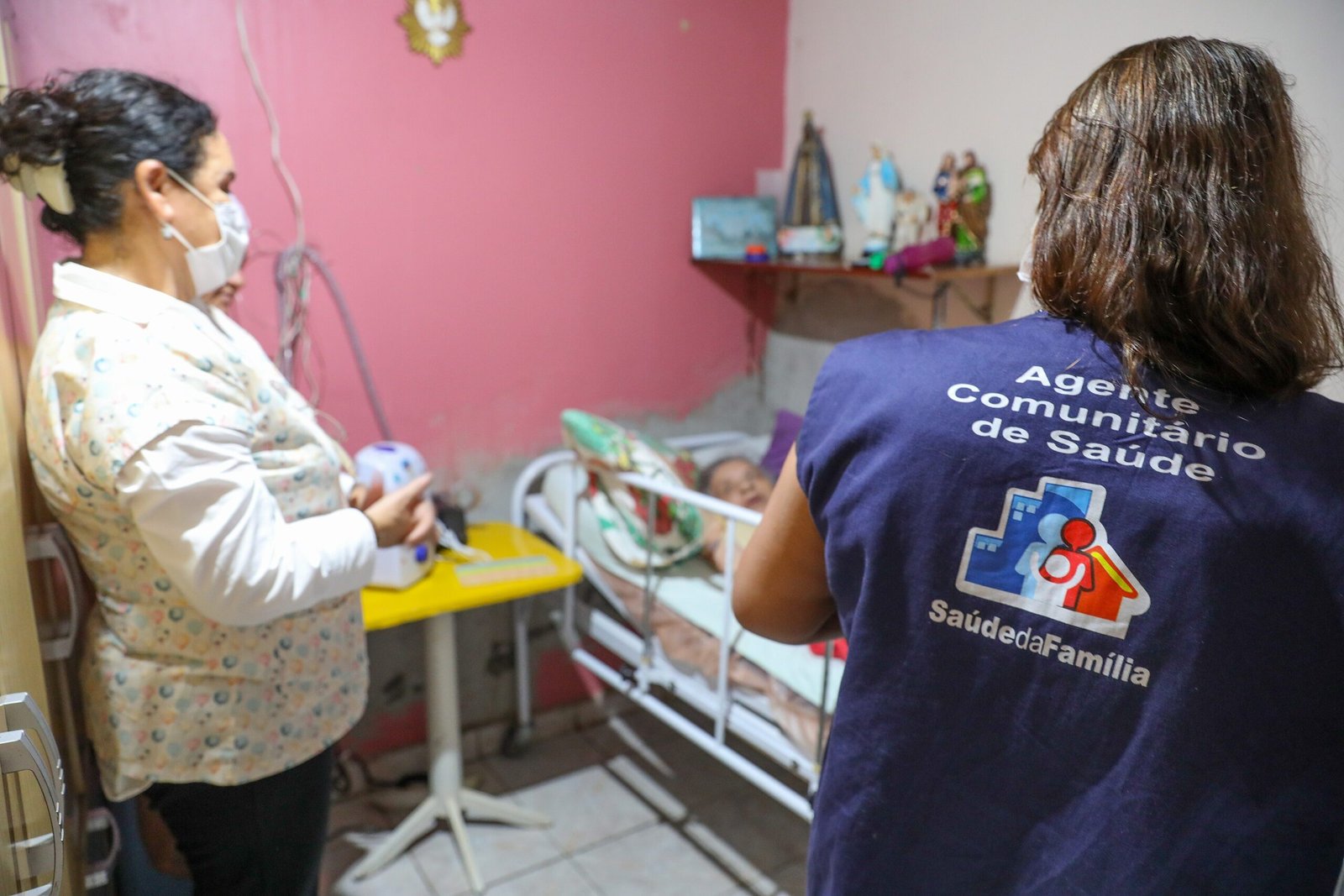
Health worker in Brazil. Source: Paulo H. Carvalho/Agência Brasília via Wikimedia Commons.
For surveillance systems, these findings change how outbreaks should be interpreted.
If Zika rises in a region, chikungunya risk likely rises too. Preparedness strategies should therefore anticipate multiple arboviruses rather than treating them separately.
For clinicians, this also explains why patients in outbreak zones often present with overlapping symptom profiles.
Fever, rash, and joint pain may not indicate a single virus but a transmission environment supporting several.
Brazil’s experience highlights a broader reality across Latin America: arbovirus surveillance should monitor ecosystems, not just pathogens. When transmission conditions align, multiple viruses move together.
At Pathogenos, this reinforces a simple principle. Outbreak intelligence improves when we look at systems instead of single pathogens. Understanding how viruses share space and time may be the key to predicting where the next surge begins.