



Do Natural Insect Repellents Work? What The Science Says
Natural repellents are widely used across Latin America, but most fail to prevent mosquito bites. New evidence shows only a small number of plant-based ingredients provide real, short-term protection—highlighting the risks of relying on ineffective products.
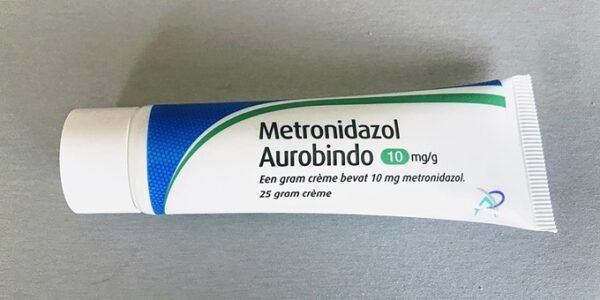
Metronidazole vs. H. pylori: How It Works—and Fails
Metronidazole remains a first-line therapy for Helicobacter pylori in Latin America, despite widespread resistance. Because the drug requires intracellular activation to damage bacterial DNA, even small disruptions in bacterial metabolism can render it ineffective, driving treatment failure, persistent infection, and preventable disease.

How Dengue, Chikungunya, and Zika Symptoms Change With Age
An 18-year pediatric cohort study from Nicaragua shows that dengue, chikungunya, and Zika symptoms change with age and over the first 10 days of illness. Fever patterns, rashes, and blood markers evolve differently across childhood, revealing diagnostic clues that static symptom checklists often miss. Tracking symptom trajectories over time leads to more accurate differentiation of these infections.

Metronidazole Is Failing H. pylori Treatment in Latin America
Metronidazole is rapidly failing as a first-line Helicobacter pylori treatment in Latin America. High resistance rates in Colombia, Peru, and Brazil exceed safe empiric thresholds, driving treatment failure, persistent infection, and increased gastric cancer risk.

Dengue Fever vs Dengue Hemorrhagic Fever: Critical Differences
Dengue is not a single disease with a single outcome. While most infections cause a self-limited fever, severe dengue follows a different and far more dangerous path. This article explains the critical differences between dengue fever and dengue hemorrhagic fever, why the highest risk often appears when fever breaks, and how recognizing plasma leakage can save lives.
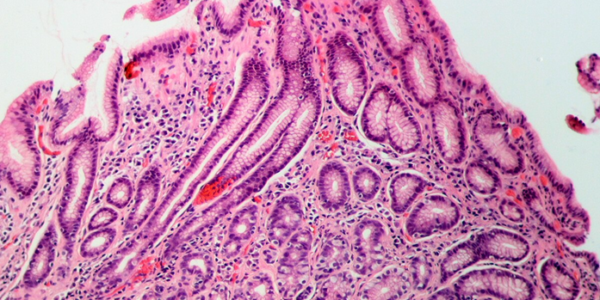
Multidrug-Resistant H. pylori in Gastric Cancer Patients from Colombia
Genetic mutations drive widespread multidrug resistance in Helicobacter pylori strains from Colombia, limiting the effectiveness of standard treatments and underscoring the need for precision-based therapy.
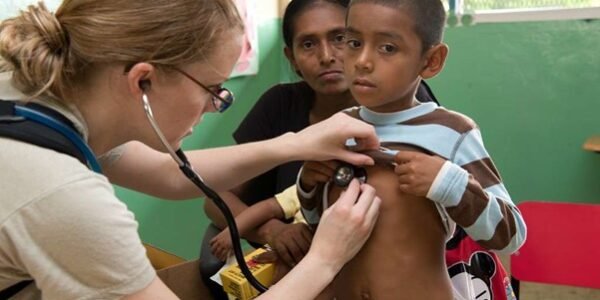
Silent Dengue in Children: Why Fever-Based Diagnosis Is Failing
Dengue can occur without fever in children. An 18-year pediatric cohort study from Nicaragua shows that fever-based case definitions miss laboratory-confirmed dengue cases, some of which still display warning signs of severity. These findings reveal a critical blind spot in pediatric dengue surveillance.
Recent Comments