

Inside H. pylori Survival: How This Bacterium Thrives in Harsh Conditions
Helicobacter pylori can survive beyond the human stomach by entering a dormant state and forming protective biofilms in water systems. This hidden persistence raises new concerns for drinking water safety and disease transmission in Latin America.
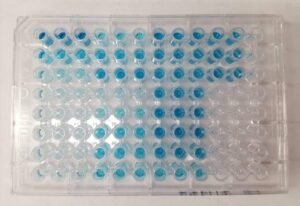
Inside the Lab: How ELISA Detects Infection in Blood
ELISA is a widely used diagnostic tool that detects antibodies or antigens in blood, helping identify infections and track disease spread. By enabling large-scale testing, it plays a critical role in public health surveillance and outbreak response, especially in regions like Latin America.

Can H. pylori Enter Your Tap Water? How It Spreads
Is your drinking water safe? Antibiotic-resistant H. pylori may spread through tap water via wastewater contamination and biofilms, posing an overlooked health risk.

Hidden Risk: Antibiotic-Resistant H. pylori in Peru’s Drinking Water
Antibiotic-resistant H. pylori has been detected in Peru’s drinking water, raising concerns that water systems may act as hidden reservoirs for infection and antimicrobial resistance.
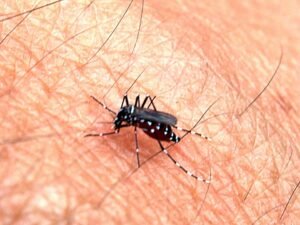
Why Arbovirus Hotspots Form: Lessons from Brazil
Source: John Ragai from Petaling Jaya, Malaysia via Wikimedia Commons. Highlights • Climate and rainfall patterns predict arbovirus outbreak hotspots• Warmer temperatures accelerate mosquito infection and

Is H. pylori in Drinking Water? Insights from a Study in Peru
Could Helicobacter pylori be hiding in tap water? A recent study from central Peru detected the bacterium in household tap water and faucet biofilms, particularly where chlorine levels were low. The findings suggest drinking-water systems themselves may serve as environmental reservoirs for this cancer-linked pathogen.

Inside The Lab: How Scientists Measure Viral Load Using qPCR
Quantifying viral infection begins at the molecular level. In laboratories around the world, scientists use quantitative PCR (qPCR) to detect tiny amounts of viral genetic material and estimate viral load. This powerful technology allows researchers and clinicians to measure infection in real time and guide both diagnostics and outbreak response.

Why Social Inequality Shapes Arbovirus Risk in Brazil
Brazil’s Zika and chikungunya outbreaks are shaped by more than climate. Spatial analysis shows urban density, poor sanitation, and inequality significantly increase cluster risk. Even after adjusting for geography, socioeconomic conditions remain core drivers, linking arbovirus transmission directly to infrastructure and development gaps.
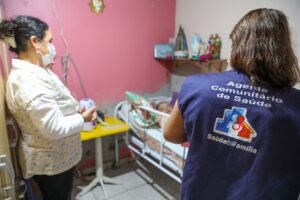
Predicting the Next Surge: Using Zika–Chikungunya Clusters to Guide Intervention
Zika and chikungunya outbreaks in Brazil move together, not separately. Space-time analysis reveals overlapping clusters driven by shared Aedes aegypti dynamics, summer heat, and regional climate conditions. When ecological risk rises, multiple arboviruses surge simultaneously — reinforcing the need for surveillance systems that anticipate co-circulating threats, not isolated outbreaks.

How Scientists Measure Gene Expression: From RNA to Cell Behavior
In the lab, scientists don’t ask cells questions — they measure gene expression. By tracking RNA, the messages genes send when they’re active, researchers can see whether cells are fighting infection, responding to treatment, or changing behavior. Techniques like qPCR, RNA sequencing, and single-cell analysis help decode these molecular signals.

Inside the Lab: How Scientists Detect Outbreak Clusters
Scientists don’t just count cases to detect outbreaks — they use spatial tools to find hidden patterns in disease spread. This article explains how scan statistics work and why univariate and multivariate approaches help reveal outbreak clusters and shared transmission environments across regions.

PCR vs Antigen Tests —What’s More Accurate?
PCR and antigen tests both detect viruses, but they work in very different ways. PCR amplifies viral genetic material for highly sensitive detection, while antigen tests identify viral proteins for faster results. Understanding when to use each test helps guide diagnosis, screening, and public-health decisions.

From the Super Bowl Stage to Public Health Reality: Dengue in Puerto Rico
Dengue in Puerto Rico is shifting fast. Adults now make up most cases, hospitalizations exceed 50%, and DENV-3 has replaced DENV-1 as the dominant strain. These changes signal a new epidemiologic phase — and may warn of similar outbreaks emerging across Latin America.

Which Natural Repellents Protect Against Mosquitoes and Ticks?
Natural insect repellents are increasingly popular across Latin America, but most offer little real protection. A 2023 study tested plant-based ingredients against mosquitoes and ticks and found that only a few—cinnamon oil, clove oil, and geraniol—provided meaningful, multi-vector repellency. This blog breaks down which natural repellents actually work and what that means for real-world disease prevention.

Do Natural Insect Repellents Work? What The Science Says
Natural repellents are widely used across Latin America, but most fail to prevent mosquito bites. New evidence shows only a small number of plant-based ingredients provide real, short-term protection—highlighting the risks of relying on ineffective products.

Metronidazole vs. H. pylori: How It Works—and Fails
Metronidazole remains a first-line therapy for Helicobacter pylori in Latin America, despite widespread resistance. Because the drug requires intracellular activation to damage bacterial DNA, even small disruptions in bacterial metabolism can render it ineffective, driving treatment failure, persistent infection, and preventable disease.

How Dengue, Chikungunya, and Zika Symptoms Change With Age
An 18-year pediatric cohort study from Nicaragua shows that dengue, chikungunya, and Zika symptoms change with age and over the first 10 days of illness. Fever patterns, rashes, and blood markers evolve differently across childhood, revealing diagnostic clues that static symptom checklists often miss. Tracking symptom trajectories over time leads to more accurate differentiation of these infections.

Metronidazole Is Failing H. pylori Treatment in Latin America
Metronidazole is rapidly failing as a first-line Helicobacter pylori treatment in Latin America. High resistance rates in Colombia, Peru, and Brazil exceed safe empiric thresholds, driving treatment failure, persistent infection, and increased gastric cancer risk.
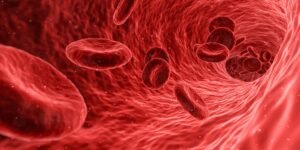
Dengue Fever vs Dengue Hemorrhagic Fever: Critical Differences
Dengue is not a single disease with a single outcome. While most infections cause a self-limited fever, severe dengue follows a different and far more dangerous path. This article explains the critical differences between dengue fever and dengue hemorrhagic fever, why the highest risk often appears when fever breaks, and how recognizing plasma leakage can save lives.

Multidrug-Resistant H. pylori in Gastric Cancer Patients from Colombia
Genetic mutations drive widespread multidrug resistance in Helicobacter pylori strains from Colombia, limiting the effectiveness of standard treatments and underscoring the need for precision-based therapy.