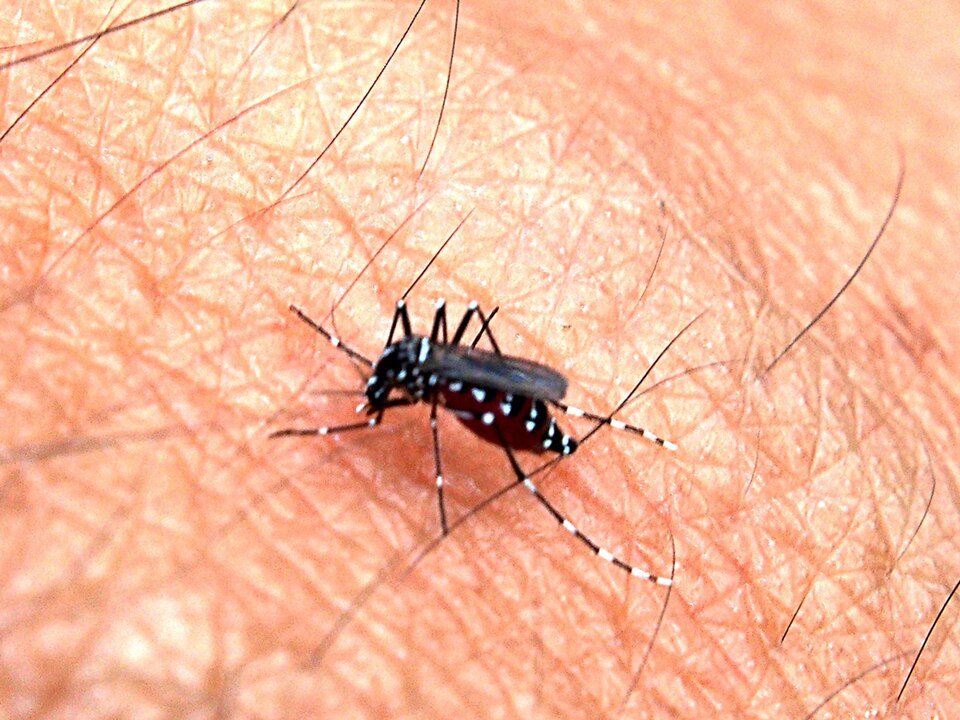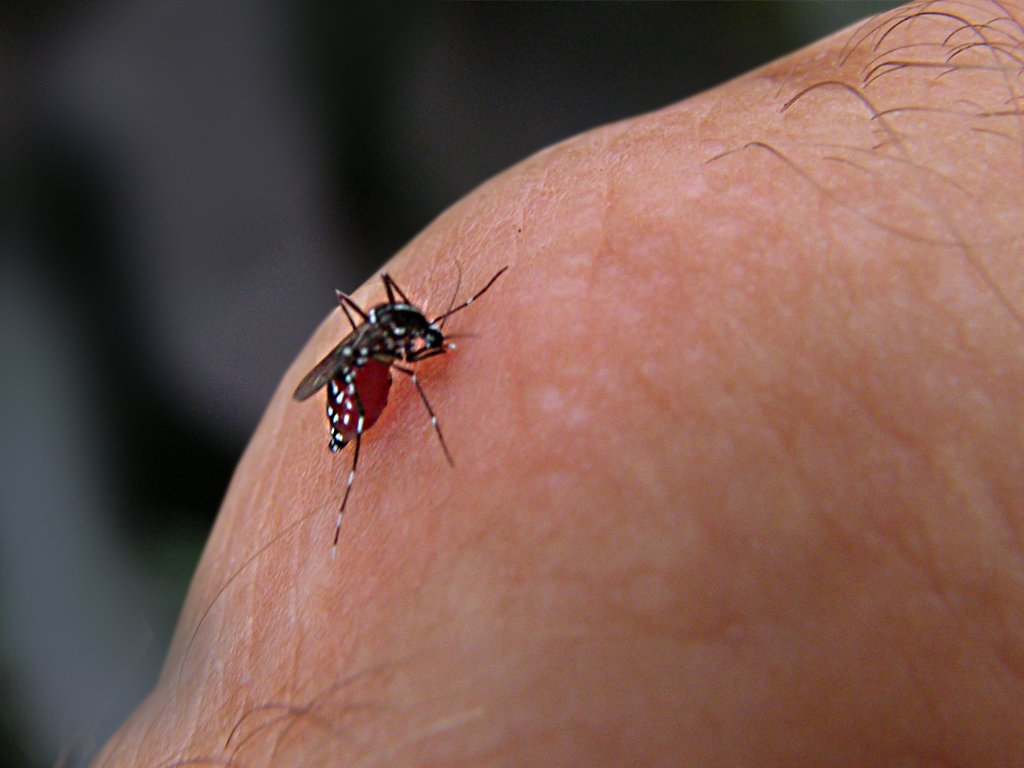
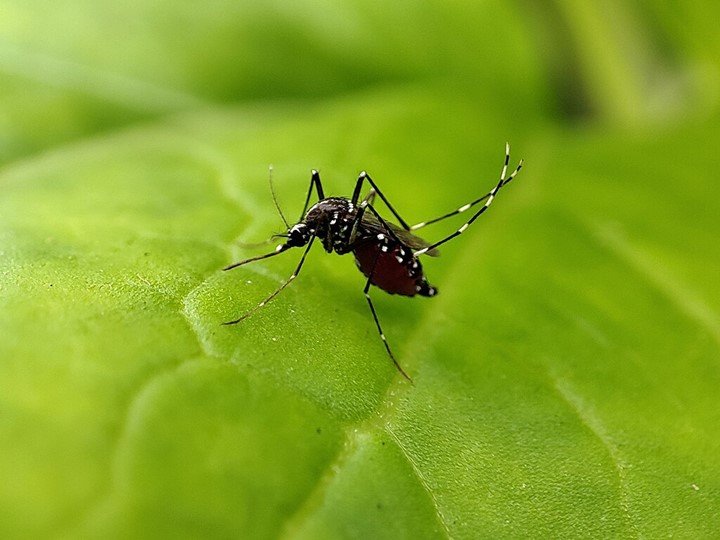
Aedes aegypti on leaf. Source: Wee Hong | Wikimedia Commons.
We know that Aedes aegypti mosquitoes transmit dangerous arboviruses, mainly dengue, chikungunya, and Zika. These viruses first infect mosquitoes before spreading to humans.
But in areas where all three viruses circulate at once, it has remained unclear which virus dominates and drives local outbreaks.
Understanding which arboviruses most effectively infect Aedes aegypti is crucial for improving diagnostics, treatment priorities, and vector control strategies.
In a recent study by Kirstein et al., researchers explored this exact question in Mérida, Yucatán, Mexico.This blog dives into what these scientists discovered and what their findings reveal about how dengue, Zika, and chikungunya compete inside Aedes mosquitoes.
Table of Contents
Aedes aegypti Mosquitoes in Mérida, Yucatán Show Arbovirus Infection Patterns

Government building in Mérida, Yucatán Mexico. Source: Travel4Brews | Wikimedia Commons.
The study was conducted in Mérida, Yucatán, Mexico. This city has nearly one million people where dengue, Zika, and chikungunya are common mosquito-borne diseases transmitted by Aedes aegypti. These viruses spread most during the rainy season, from July to November.
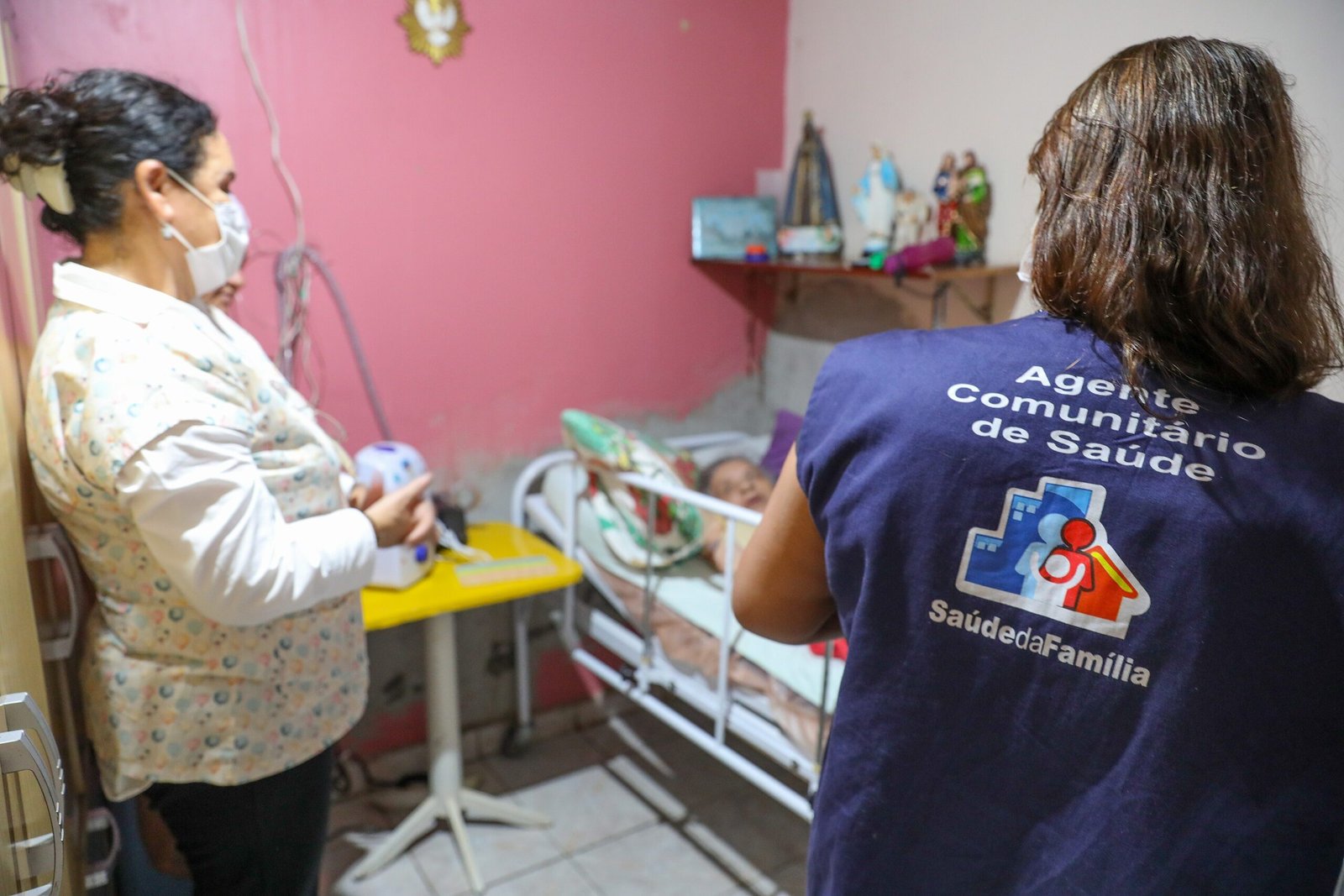
Researchers worked with 200 households to measure how often mosquitoes carried these viruses and how mosquito density inside homes affected infection risk. After obtaining consent, field teams collected adult mosquitoes using Prokopack aspirators, moving through each room for up to three hours.
The captured mosquitoes were then analyzed at the Autonomous University of Yucatán, where scientists identified their sex, checked for recent blood meals, and tested each individual mosquito for dengue, Zika, and chikungunya using RT-qPCR and genetic sequencing to confirm results.
By combining molecular diagnostics with mosquito density data, the researchers calculated key transmission metrics such as the Entomological Inoculation Rate (EIR) and Vectorial Capacity (VC), which estimate how many infectious bites a person might receive and how efficiently mosquitoes can spread viruses.
Study Finds Chikungunya Virus Dominated Aedes aegypti Infection Rates
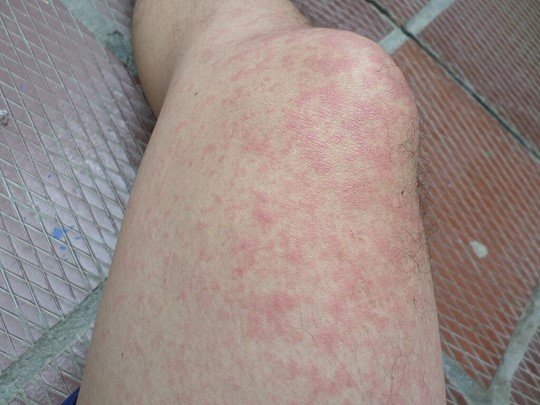
Chikungunyaa infection in Colombia. Source: EEIM | Wikimedia Commons.
Researchers collected 3,439 Aedes aegypti mosquitoes from 179 homes in Mérida, Mexico, and found that about two-thirds were females, the ones responsible for spreading viruses.
Out of all the females tested, 7.7% were infected with at least one arbovirus, mostly chikungunya (77.7%), followed by dengue (11.4%) and Zika (9%). A few mosquitoes (1.8%) carried two viruses at once (chikungunya and Zika).
The number of mosquitoes per house stayed roughly the same between 2016 and 2017 (around 13 per home), but infection rates changed dramatically. In 2016, 16.4% of female mosquitoes were infected, compared to just 2% in 2017.
Chikungunya dominated in 2016 but disappeared by 2017, while dengue became slightly more common, and Zika stayed stable both years.
Among infected mosquitoes, about 23% had the virus in their heads, meaning the infection had spread far enough for them to potentially transmit it to humans through bites.
Most of these head infections were from chikungunya, confirming it was the main virus driving mosquito infections during the study period.
Most Infected Homes Had Only One Aedes aegypti Mosquito Carrying Virus

Houses in the town of Jardín, Antioquia in Colombia. Source: Diego Botero P. | Wikimedia Commons.
At the household level, arbovirus-infected Aedes aegypti were found in 43 of 169 homes, roughly one in four. Among these infections, 37% were chikungunya, 28% dengue, and 26% Zika.
A few homes (7%) had mosquitoes carrying more than one virus, and one house even had mosquitoes co-infected with chikungunya and zika.
Most infected homes had a single mosquito, but a third of homes, including one with 25 chikungunya-positive mosquitoes, drove 80% of infections in Mérida.
Mosquito density strongly influenced infection risk. In high-density homes, 43% had infected mosquitoes, compared to only 13% in low-density homes.
Chikungunya was the most common virus in crowded houses (18.6%), followed by dengue (12.9%) and Zika (8.6%), with a few homes showing multiple-virus infections.
Mosquitoes with infected heads, capable of transmitting viruses through bites, were detected in nearly 19% of high-density homes versus just 3% of low-density ones.
In houses with more than 40 female mosquitoes, the chance of detecting at least one infected mosquito exceeded 60%, highlighting how larger mosquito populations amplify arbovirus transmission risk.
Implications for Mosquito Surveillance and Control in Latin America
Arbovirus transmission by Aedes aegypti is closely linked to mosquito density, but neighborhood-level infection risk often appears inconsistent due to sampling bias, low detection sensitivity, and uneven infection patterns.
Standard 10-minute Prokopack collections detected fewer than 25% of homes with infected mosquitoes, while about 80% of all infected mosquitoes came from just 30% of houses, confirming highly localized transmission in Mérida.
Infection patterns in mosquitoes also reflected the dominant virus circulating among humans, highlighting the need for more sensitive and representative entomo-virological surveillance, including longer sampling times or calibrated traps like BG-Sentinel and GAT devices.
The study also revealed that traditional collection methods may underestimate indoor mosquito density by up to fivefold, meaning human-mosquito contact is much higher than previously thought. Some homes harbored more than ten chikungunya-infected females, with one containing twenty-five, creating “key houses” that amplify transmission risk.
These hotspots may result from local breeding sites, frequent human movement, and heterogeneous biting patterns. The findings emphasize the importance of accurate density estimates for targeted vector control strategies such as indoor residual spraying (TIRS), Wolbachia releases, and ovitrap deployment.
The question of why chikungunya outcompetes dengue and zika virus is an interesting one worth of further mechanistic studies.
Call to Action
Understanding which viruses dominate in Aedes mosquitoes is key to preventing outbreaks of dengue, Zika, and chikungunya.
Support and stay informed about local mosquito surveillance programs, and take proactive steps to reduce mosquito breeding around your home.
Accurate monitoring and targeted vector control save lives, get involved, report mosquito hotspots, and help your community stay safe from arbovirus infections.