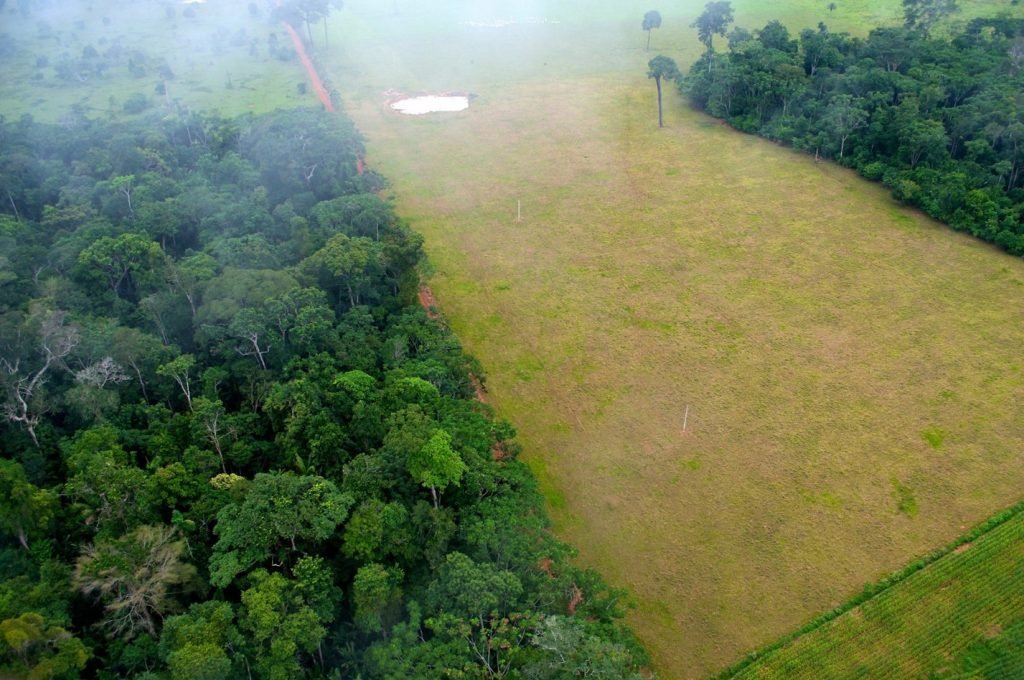
Figure 1. Deforestation in Brazil. Source: CIFOR-ICRAF via Flickr.
The moment public health experts have long warned about is here: climate change is accelerating the spread of infectious diseases like dengue across Latin America.
This is because climate change is not just about hotter summers or wetter winters, it is also shifting where animals (such as insects) live. One key example is the Aedes aegypti mosquito, the primary vector of the dengue virus, which is now thriving in regions it previously could not survive.
While some environmental changes happen naturally, over 99.9% of peer-reviewed scientific studies confirm that climate change is primarily driven by human activity. Since the Industrial Revolution, the burning of fossil fuels (such as coal, oil, and gas) has drastically altered Earth’s atmosphere.
The consequences of climate change now include, among others, intense droughts, water scarcity, severe fires, rising sea levels, flooding, melting polar ice, catastrophic storms and declining biodiversity.
United Nations Tweet
In Latin America, especially Brazil, these headlines become reality.
Scientists use AI to track heat-driven dengue in Brazil
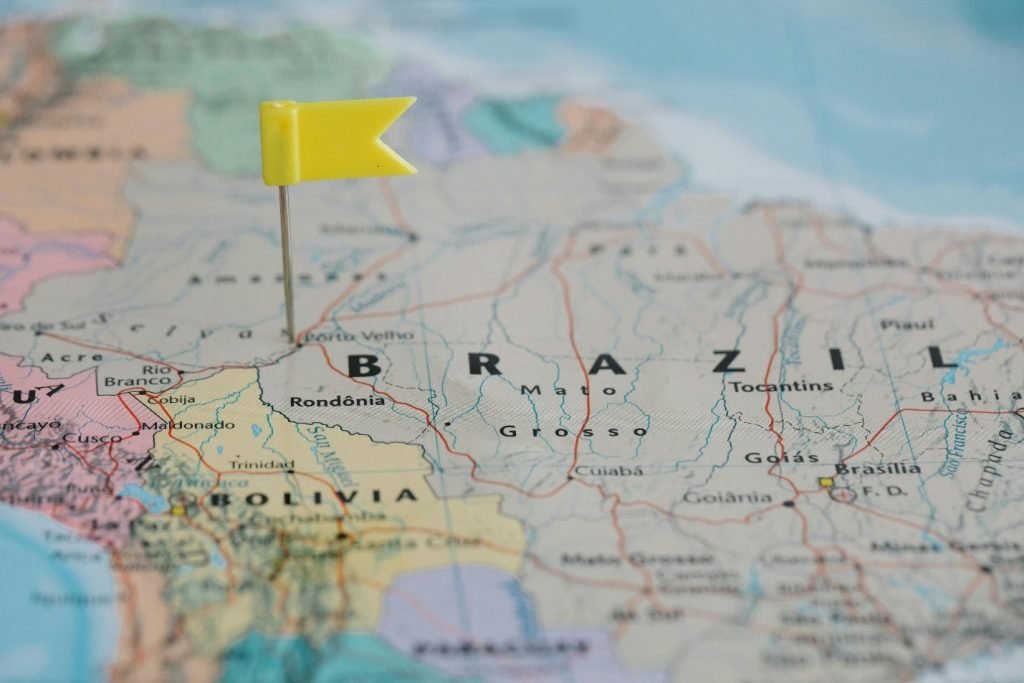
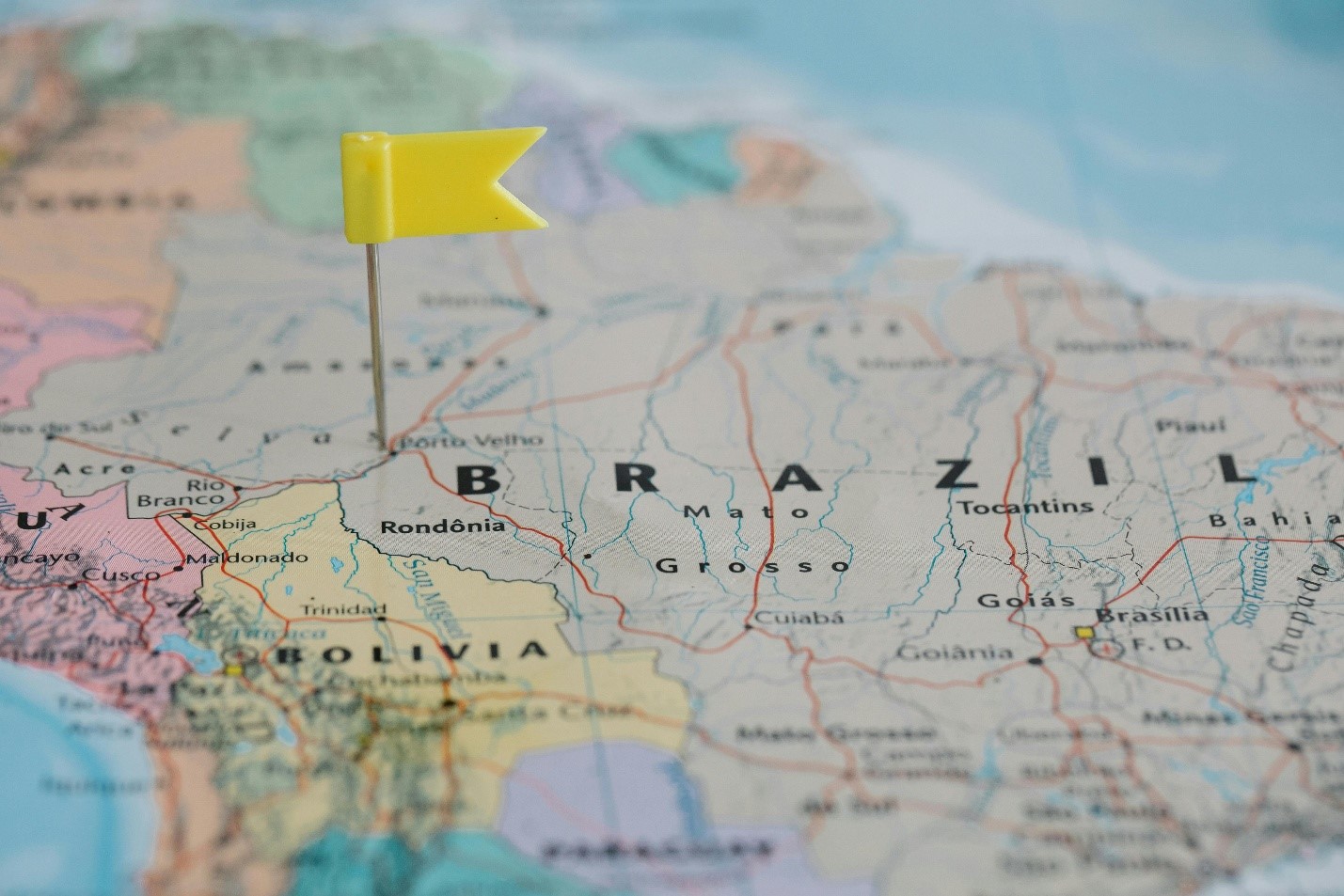
Figure 2. Yellow flag pinned in Brazil. Source: Lara Jameson via Pexels.
Climate change in Brazil is doing more than shifting weather patterns. It is fueling the rapid expansion of mosquito-borne diseases like dengue across the country and much of South America.
A major nationwide study by Barcellos et al. published in Scientific Reports investigated this growing health threat by analyzing confirmed dengue cases in Brazil from 2014 to 2020.
Their aim was to build a predictive algorithm capable of assessing future climate scenarios and guiding preventive public health actions.
To do this, the researchers compiled 21 years of data from 553 microregions across Brazil. They gathered dengue case data from SINAN, Brazil’s national disease surveillance system, and grouped the cases into three 7-year periods for comparison.
In addition to health records, researchers collected a wide range of climate data across Brazilian municipalities, including the number of extreme heat days, unusually warm nights, and overall temperature anomalies.
Importantly, rather than relying on simple average temperatures, the team focused on “thermal anomalies”, which refer to periods when temperatures were significantly higher than the regional norm. This approach allowed them to detect abnormal heat patterns that could influence mosquito behavior and dengue transmission more accurately than averages alone.
To analyze this complex dataset, the researchers used a CHAID regression tree algorithm, a type of data-mining technique that classifies information by identifying key decision points.
In this case, the algorithm sorted Brazil’s microregions based on climatic and demographic variables to uncover thresholds that clearly separate areas with high dengue risk. For example, the model identified cutoff points like “more than 13 hot days per summer,” which were strongly associated with a rise in dengue cases.
Short heatwaves drive dengue into new regions
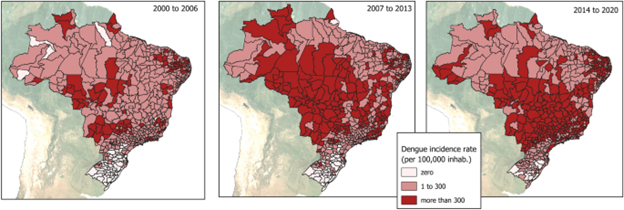
Figure 3. Dengue incidence rates in regions of Brazil between the indicated times per 100,000 inhabitants. Source: Barcellos et al (open access).
The CHAID regression tree analysis revealed clear and alarming patterns in how climate change is reshaping the spread of dengue in Brazil.
First, regions that experienced 13 or more days of thermal anomalies during the summer saw dengue incidence increase, even in places that had previously reported low transmission.
These short-term heat spikes appeared to act as a trigger for outbreaks.
Second, dengue began expanding into higher-altitude areas (above approximately 350 meters) which were historically too cool for Aedes aegypti mosquitoes to survive. As these regions warm, they are becoming newly vulnerable to mosquito-borne diseases.
Third, urbanized areas that already had a presence of dengue saw the sharpest increases in case numbers. Cities, with their dense populations and heat-retaining infrastructure, appear to be hotspots for rapid dengue growth.
In general, the researchers found that municipalities experiencing more extreme heat events also faced longer dengue seasons, with earlier starts, higher peaks, and prolonged transmission periods.
These changing patterns are stretching the limits of traditional mosquito control strategies.
Crucially, the study confirmed that thermal anomalies, short-term spikes in temperature outside of normal climate patterns, were strongly linked to dengue outbreaks.
It is not just long-term global warming at play, but also extreme heat events that destabilize local ecosystems and create favorable conditions for mosquitoes to thrive.
The takeaway is clear: climate variability, especially extreme heat, is a major driver of dengue in Brazil.
This underscores the urgent need to integrate climate forecasting into public health surveillance systems, particularly for diseases that are highly sensitive to temperature and humidity.
Brazil’s Dengue Study Has Global Implications

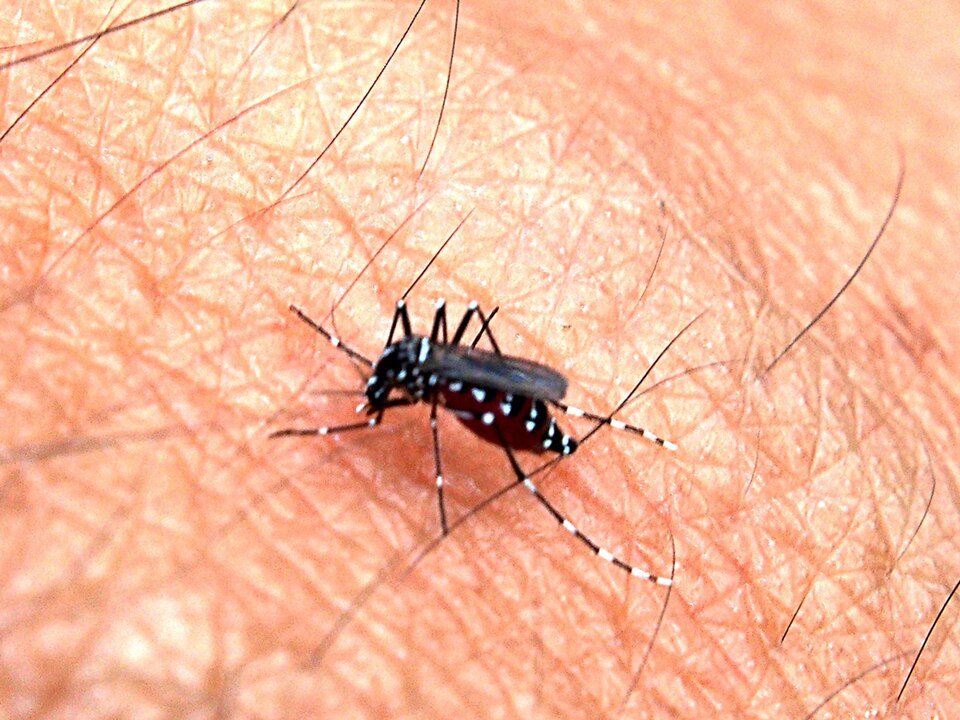
Figure 4. Bite by an Aedes mosquito. Source: NIAID via Flickr.
Although this study centers on Brazil, its findings carry global significance. As climate change intensifies worldwide, many regions, particularly in the tropics and subtropics, are experiencing more extreme heat events and shifts in mosquito habitats that fuel the spread of vector-borne diseases like dengue.
Even in the United States, where Hispanics/Latinos make up over 19% of the population, climate change effects are being felt. Just this week, a powerful heat dome has triggered dangerous heat conditions for tens of millions of people from the Midwest to the East Coast.
Similar patterns are emerging in Southeast Asia, sub-Saharan Africa, southern Europe, and the southern U.S., where dengue and other mosquito-borne viruses are moving into new ecological zones.
The Brazilian study’s climate-based predictive model, which uses temperature anomalies, rainfall, and demographic data to assess outbreak risk, serves as a valuable tool for global health systems.
By adopting data-driven, climate-informed public health strategies, countries around the world can better predict outbreaks, allocate resources efficiently, and protect vulnerable populations in an era of rising temperatures and evolving disease threats.