As a kid vacationing in the Dominican Republic, I noticed I got sick more often than my brother did. In fact, one time I got dengue while he did not despite playing in the same area. At that time, I thought, “Damn, maybe he is fitter and has better immunity than I do”. But years later, I realized something deeper was at play.
While the dengue virus does not discriminate based on gender, our sex and gender can significantly influence how we experience infection, access care, and recover. Even our daily behaviors, like how much time we spend outdoors or at home, can affect whether we are more likely to be bitten by a female dengue-carrying Aedes aegypti mosquito.
As I explored in a previous post, emerging research shows that women, particularly in Latin America, face a higher risk of severe dengue complications.
From hormonal differences to social and behavioral exposure, multiple factors contribute to this vulnerability. So, to answer the question in the title: yes, in many cases, women should take extra precautions to protect themselves from dengue virus infection.
Table of Contents
Why Women Need Extra Dengue Protection

Source: Brookings Institution via Flickr.
Biological and immunological differences
Some studies suggest that hormonal and immune system differences between women and men could contribute to how severely dengue affects the body.
Women’s immune systems function differently than men’s. Estrogen and other sex hormones can influence immune responses, sometimes making women more reactive to viral infections.
This hyper-reactivity may contribute to a higher risk of developing severe dengue, as observed in several Latin American studies.
Pregnancy risks
Dengue during pregnancy can increase the risk of complications such as preterm birth, low birth weight, and even vertical transmission (from mother to baby). For pregnant women, the stakes are even higher.
Dengue infection during pregnancy has been linked to serious maternal and fetal outcomes. These include preterm birth, low birth weight, miscarriage, and vertical transmission (where the virus is passed from mother to baby).
Pregnant women are also at higher risk of severe dengue, which can lead to plasma leakage, organ damage, and hemorrhage, conditions that pose significant risks during labor and delivery.
Caregiving exposure
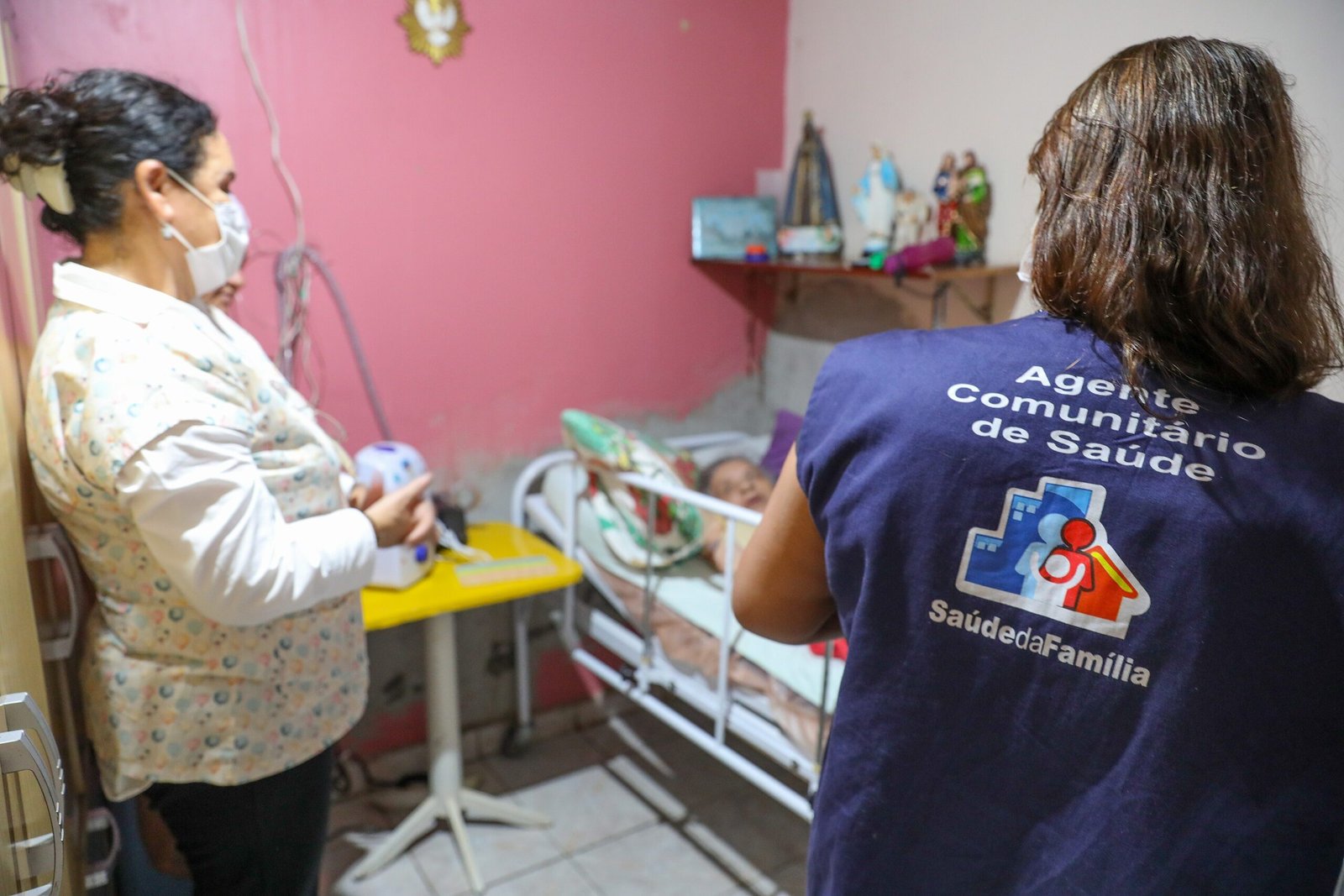
Women, often primary caregivers, may be more exposed to infected environments at home or in healthcare roles.
In many communities, women take on caregiving roles and spend more time at home, which may increase their exposure to mosquitoes.
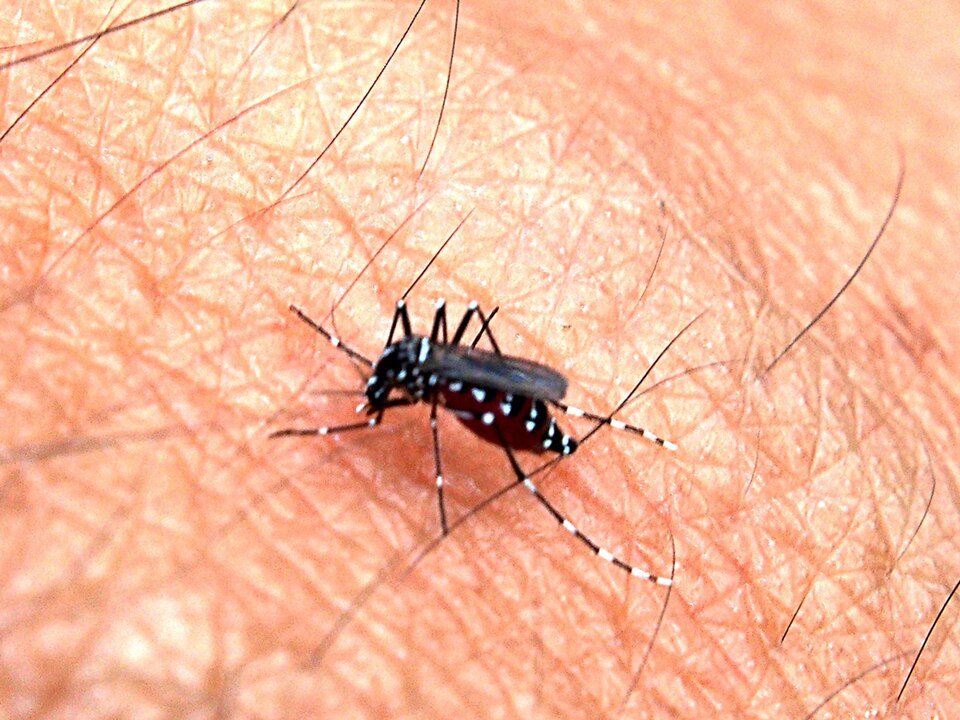
The Aedes aegypti mosquito is most active during the day and often breeds in containers or stagnant water around homes, meaning women are more likely to be bitten during household chores or childcare.
Additionally, women working in informal sectors or healthcare may lack access to protective gear, making them more vulnerable in both domestic and occupational environments.
Underrepresentation in research
Many clinical trials and public health strategies have not adequately accounted for sex-based differences, leading to gaps in prevention and care.
Despite the risks, most dengue prevention campaigns are not tailored to women’s specific needs. Public health guidelines often lack gender-sensitive messaging and do not address women’s roles as both caregivers and patients. Without targeted interventions, these gender disparities are likely to grow.
Three Key Dengue Prevention Tips for Everyone, Especially Women

Source: Brookings Institution via Flickr.
While public health systems need to do more, there are effective steps women can take now to reduce their risk of infection and complications:
1. Use Mosquito Repellent Daily
Apply a repellent with DEET, picaridin, or oil of lemon eucalyptus—especially during daylight hours when Aedes mosquitoes are most active.
DEET and Picaridin are proven effective and safe when used as directed: DEET offers long-lasting protection (particularly above ~25%), while picaridin is nearly as effective with less odor and no plastic-dissolving impact
Oil of lemon eucalyptus (PMD) is the only plant-based repellent CDC recognizes as effective, though shorter-acting than synthetic options
Refillable wristbands infused with essential oils (citronella, lemongrass) offer hands-free protection. They’re especially appealing during casual moments around the home or outdoors.
2. Wear Protective Clothing
Long-sleeved shirts and pants help prevent bites, particularly if you’re spending time outdoors or near standing water.
Permethrin-treated clothing repels mosquitoes (including dengue vectors) and ticks; it remains effective through multiple washes. Brands like Insect Shield offer women’s shirts, leggings, scarves, and hats pre-treated with permethrin, effective against dengue-carrying mosquitoes and durable through many washes.
3. Eliminate Breeding Sites
Regularly empty water from containers like flower pots, buckets, birdbaths, and pet bowls. Mosquitoes can breed in even tiny amounts of water.
Larvicides such as Bti (Mosquito Dunks/Bits) kill mosquito larvae in standing water safely and reduce local mosquito populations.
Conclusion
Dengue is a serious threat to public health in tropical and subtropical regions, and women may be bearing a disproportionate share of the burden. By recognizing the biological and social factors at play, we can start to build more equitable prevention and care systems.
Until then, women can, and should, take proactive steps to protect themselves, especially in high-risk settings. The fight against dengue isn’t just about controlling mosquitoes, it is also about understanding who is most vulnerable, and why.