
We all know many things about Colombia, from the cool superstar Shakira and its tasty coffee beans (particularly its Arabica variety) to its reputation for having the best healthcare system in Latin America and ranking 22nd in the world.
However, like many other Latin American countries, Colombia faced an unprecedented dengue fever outbreak in 2024, contributing significantly to the worst dengue epidemic on record in the Americas.
Table of Contents
Worst Dengue Fever Outbreak in 2024
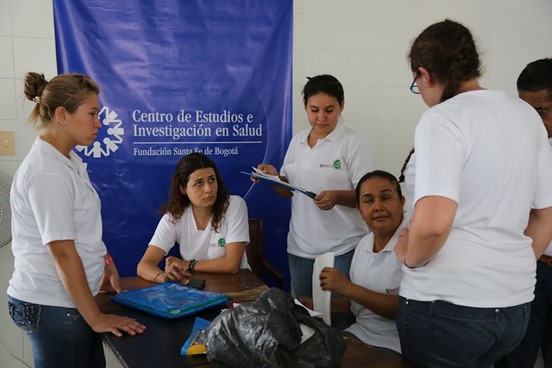
Figure 1. Gathering of TDR, the Special Programme for Research and Training in Tropical Diseases, for dengue in Girardot, Colombia. Source: Flickr, PAHO.
In 2024, Colombia reported approximately 290,000 dengue cases, a substantial increase from the 130,070 cases and 90 fatalities recorded in 2023. With over 290,000 reported cases, Colombia ranked fifth globally in dengue incidence, surpassing previous national records and highlighting the urgent need for enhanced public health interventions.
This surge reflects a broader regional trend, with the Americas experiencing over 13 million dengue cases in 2024, nearly tripling the previous year’s figures.
Valle del Cauca, particularly the city of Cali, emerged as a hotspot, reporting approximately 56,000 cases through May 2024, more than double the total cases for all of 2023.
The presence of all four dengue virus serotypes (DENV-1 to DENV-4) in the region has been linked to increased transmission rates and more severe disease presentations.
Study Shows High Risk, Especially for Children and Teens
A major systematic review, “The Epidemiological Impact of Dengue in Colombia” (DOI: 10.4269/ajtmh.23-0907), looked at how dengue fever has affected Colombia from 2012 to 2020.
Researchers analyzed 104 studies, 75 of which were quality-assessed using NIH criteria, to understand how often dengue occurs, who is most affected, and how serious the disease can be.They found that dengue cases rose and fell over time, with the worst year being 2013.
Most cases were mild dengue, but severe dengue still caused major health problems, especially in children and teens aged 5–14, who made up about half of all cases.
All four types of the dengue virus (DENV-1 to DENV-4) were found in Colombia, with DENV-2 being the most common. The study also showed that people with severe dengue were very likely to need hospitalization.
Overall, the findings show that dengue is a serious and growing public health problem in Colombia.
The authors call for stronger actions, including better mosquito control, wider access to dengue vaccines, and improved disease tracking to help reduce the number of infections and protect the most vulnerable communities.
Several factors fuel surge of dengue in Colombia
Colombia’s historic dengue fever outbreak in 2024 has been driven by a combination of environmental, social, and epidemiological factors. Understanding these dynamics is key to improving prevention and control strategies.
Climate Change
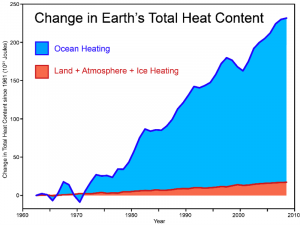
Figure 2. Global warming, change in total heat content of earth. Source: Wikimedia Commons, John Cook.
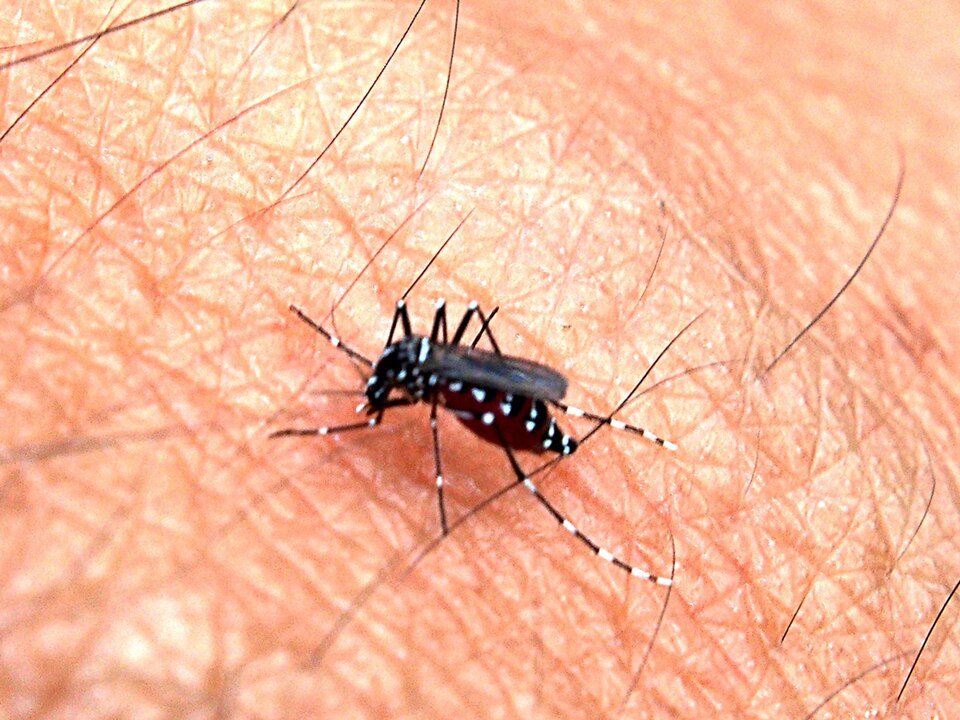
Climate change is a major contributor to the increasing spread of Aedes aegypti mosquitoes, the primary vector carrying dengue virus, in Colombia. Warmer temperatures and intensified rainfall have expanded mosquito breeding habitats, accelerating dengue transmission.
The scientific study done by Martinez et al. in 2018 examined how Colombians perceive climate change and its relationship to sustainable development.
Conducted through ten focus groups across five climate-vulnerable regions, the research gathered insights from students, educators, NGO workers, and community leaders.
Participants widely recognized that climate change in Colombia is real and driven by human activity, citing deforestation, pollution, and inadequate waste management as key contributors.
Regional impacts varied: the Caribbean region faced decreased rainfall, the central region reported rising disease and migration, and areas like Orinoquía-Amazonía and the eastern Andes experienced severe flooding, landslides, and storms.
Despite general awareness, participants noted a lack of climate-conscious behaviors and limited confidence in institutional responses. Television and the internet were primary information sources, yet campaigns often failed to inspire action.
The study emphasizes the need for region-specific climate policies that address both environmental and socio-economic challenges.
By incorporating public perceptions and promoting grassroots education and engagement, Colombia can build more effective climate strategies and advance long-term sustainable development goals.
Urbanization and Mosquito Breeding Hotspots
Rapid, unregulated urbanization in Colombia has created ideal conditions for mosquito proliferation, especially in cities with poor sanitation and stagnant water.
A systematic review by Kolimenakis et al., published in PLOS Neglected Tropical Diseases in 2021, found that urban population densities over 1,000/km² significantly increase the risk of Aedes mosquito density and dengue outbreaks.
The study analyzed 29 papers and linked dense, unplanned urban growth to both higher mosquito populations and more frequent dengue, Zika, and chikungunya epidemics.
These findings underscore the urgent need for integrated urban planning and public health strategies targeting vector control in high-risk cities like Cali and Medellín, calling for integrated strategies that address entomological, ecological, and epidemiological factors.
Virus Diversity and Severe Dengue Risk
The co-circulation of all four dengue virus serotypes (DENV-1 to DENV-4) in Colombia has further intensified the epidemic. Infection with one serotype offers no long-term immunity to others, and secondary infections significantly raise the risk of severe dengue and complications.
This viral diversity complicates vector control efforts and vaccine deployment, making real-time surveillance and early warning systems crucial in mitigating outbreaks.
A CDC-led study on the 2023–2024 dengue outbreak in Colombia found that the epidemic was driven by the co-circulation of all four dengue virus serotypes (DENV-1 to DENV-4) and multiple viral lineages, rather than a single dominant strain.
Researchers analyzed serum samples from 266 confirmed dengue patients in Cali using laboratory methods to assess the levels of viral nucleic acid in patient samples such as qRT-PCR and genomic sequencing, identifying the presence of newly introduced strains such as DENV-3 genotype III_C.1 and the DENV-2 cosmopolitan genotype.
The study linked the outbreak’s severity to these introductions, combined with favorable environmental conditions created by the El Niño climate event, which boosted Aedes aegypti mosquito populations.
These findings highlight the critical need for genomic surveillance and region-specific public health strategies to manage and prevent future dengue epidemics in Colombia.
Mosquito Control is the Main Dengue Combat Strategy
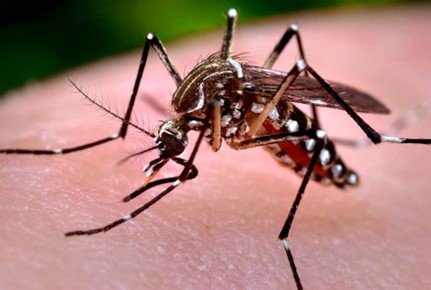
Figure 3. Aedes aegypti mosquito, the primary carrier of dengue virus. Source: itodlyatest1-gerarchive
As Colombia faces one of its worst dengue outbreaks in history, which is part of a broader surge across Latin America, public health authorities have stepped up efforts to control the spread of the virus.
Key interventions include enhanced vector control through fumigation and elimination of mosquito breeding sites, improved surveillance systems to monitor new cases, and public education campaigns aimed at increasing community awareness around dengue prevention.
However, the country’s primary approach remains mosquito control, as dengue vaccines are not currently included in Colombia’s national immunization program, remaining available only through the private sector.
A major innovation in this fight is the partnership between Cali’s District Health Secretariat and the World Mosquito Program (WMP). Since 2019, Cali has been deploying Wolbachia-infected Aedes aegypti mosquitoes.
These mosquitoes carry a natural bacterium, Wolbachia, which reduces their ability to transmit dengue, Zika, chikungunya, and yellow fever.
The program has completed three release phases and, as of June 2024, launched its fourth and final phase, covering 42 km² in northern Cali and aiming to protect over 1.5 million residents—more than 75% of the city’s population.
The timing is crucial: with over 14 million global dengue cases and more than 12 million in the Americas alone, the Wolbachia method offers a sustainable and scalable solution to vector-borne disease control.
Unlike traditional methods, this community-integrated approach reduces transmission at the source and has shown promise in reducing dengue burden where implemented.
As Cali emerges as a model for dengue innovation, the success of the Wolbachia initiative could pave the way for broader adoption across dengue-endemic regions in Colombia and beyond.
Dengue is Costly While Wolbachia Vector Control Can Be Cost-Effective

Figure 4. Colombian pesos. Source: Wikimedia Commons, GNKdiego13
A 2024 systematic review published in PLOS Neglected Tropical Diseases, titled “Cost of Dengue in Colombia” by Rodríguez-Morales et al., offers a comprehensive analysis of the economic impact of dengue fever on Colombia’s healthcare system and society.
Registered in PROSPERO (CRD42021257985) and conducted following PRISMA guidelines, the study reviewed data from 14 selected studies across major databases including PubMed, EMBASE, LILACS, Cochrane Library, and SciELO.
Key findings reveal that hospitalization costs ranged from USD 823 to USD 1,754 per case, while annual outpatient care expenses reached USD 90.1 million. Indirect costs, such as income loss due to illness or caregiving, totaled USD 92.8 million.
Overall, the total economic burden of dengue in Colombia was approximately USD 159.6 million annually, with fatal cases alone contributing USD 30.7 million (19% of the total). The study emphasizes that implementing dengue vaccination programs could significantly reduce these costs, underscoring the need for integrated prevention strategies.
Complementing this analysis, the study “Economic Evaluation of Wolbachia Deployment in Colombia: A Modeling Study” evaluates the cost-effectiveness of releasing Wolbachia-infected Aedes aegypti mosquitoes across 11 high-risk Colombian cities.
Using national dengue surveillance data and healthcare cost estimates from the RIPS system, researchers modeled a 10-year intervention scenario.
In Cali, the epicenter of dengue outbreaks, the Wolbachia intervention was projected to save USD 4.95 per person and prevent 369 disability-adjusted life years (DALYs) per 100,000 residents.
Across all cities, the benefit-cost ratio was 4.68:1, rising to 5.5:1 in Cali, proving Wolbachia’s strong return on investment in urban, dengue-endemic settings.
The authors recommend this biological control method as a cost-saving alternative to traditional mosquito control, particularly in high-density areas, while suggesting dengue vaccination for lower-density regions.
Together, these studies reinforce the urgent need for cost-effective, scalable solutions to combat dengue in Colombia, and support expanding Wolbachia-based vector control programs as part of a broader, integrated public health strategy.
Looking Forward
Figure 5. Portrait of a young woman in Cordoba, Colombia. Source: Flickr, World Bank Group
Colombia’s 2024 dengue outbreak marks a critical turning point in the nation’s public health response to mosquito-borne diseases. Driven by climate change, urbanization, and the co-circulation of all four dengue serotypes, the surge underscores the urgent need for scalable, cost-effective solutions.
While traditional vector control remains central, innovative approaches like Wolbachia-infected mosquito deployment in Cali offer a promising, evidence-backed alternative.
With mounting healthcare costs and a growing disease burden, Colombia must accelerate the integration of genomic surveillance, vaccination access, and sustainable mosquito control strategies.
The success of initiatives like the World Mosquito Program in Cali could serve as a model for broader adoption across Latin America and beyond, potentially redefining how we combat dengue in the face of a warming, urbanizing world.


Ι’m extremely inspіred together with your writing abilities and also ԝith the layoᥙt in yоur weblog.
Is that thіs a paid subject matter ᧐r did you modify it
yourself? Eitheг way keep up the nice high quality writing, it’s rare to look a nice blog like
this one these days..
My paցe: trading platform