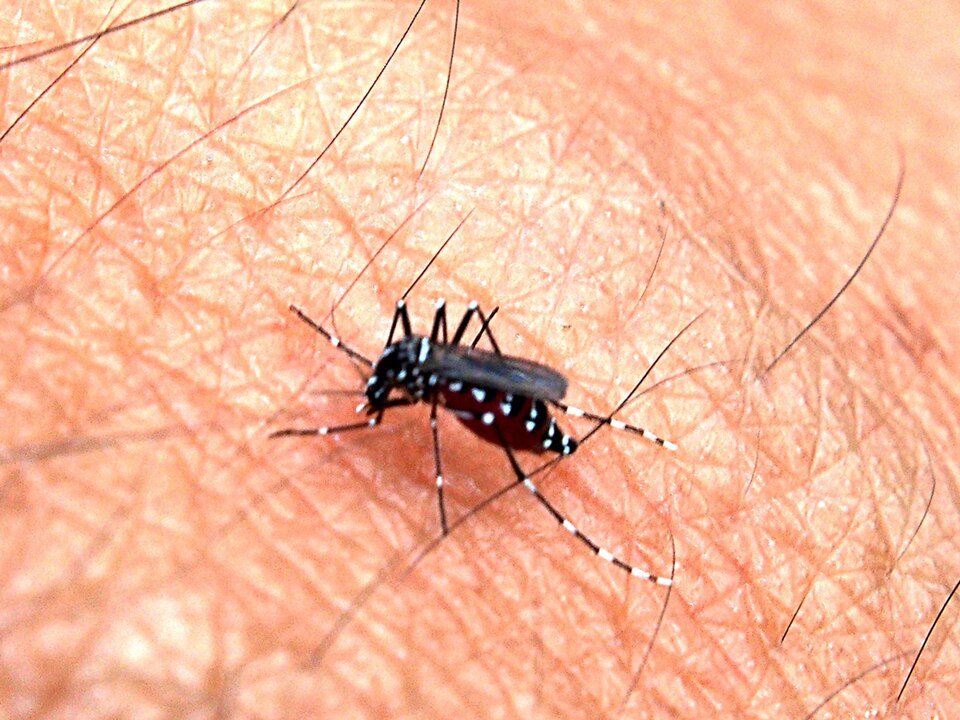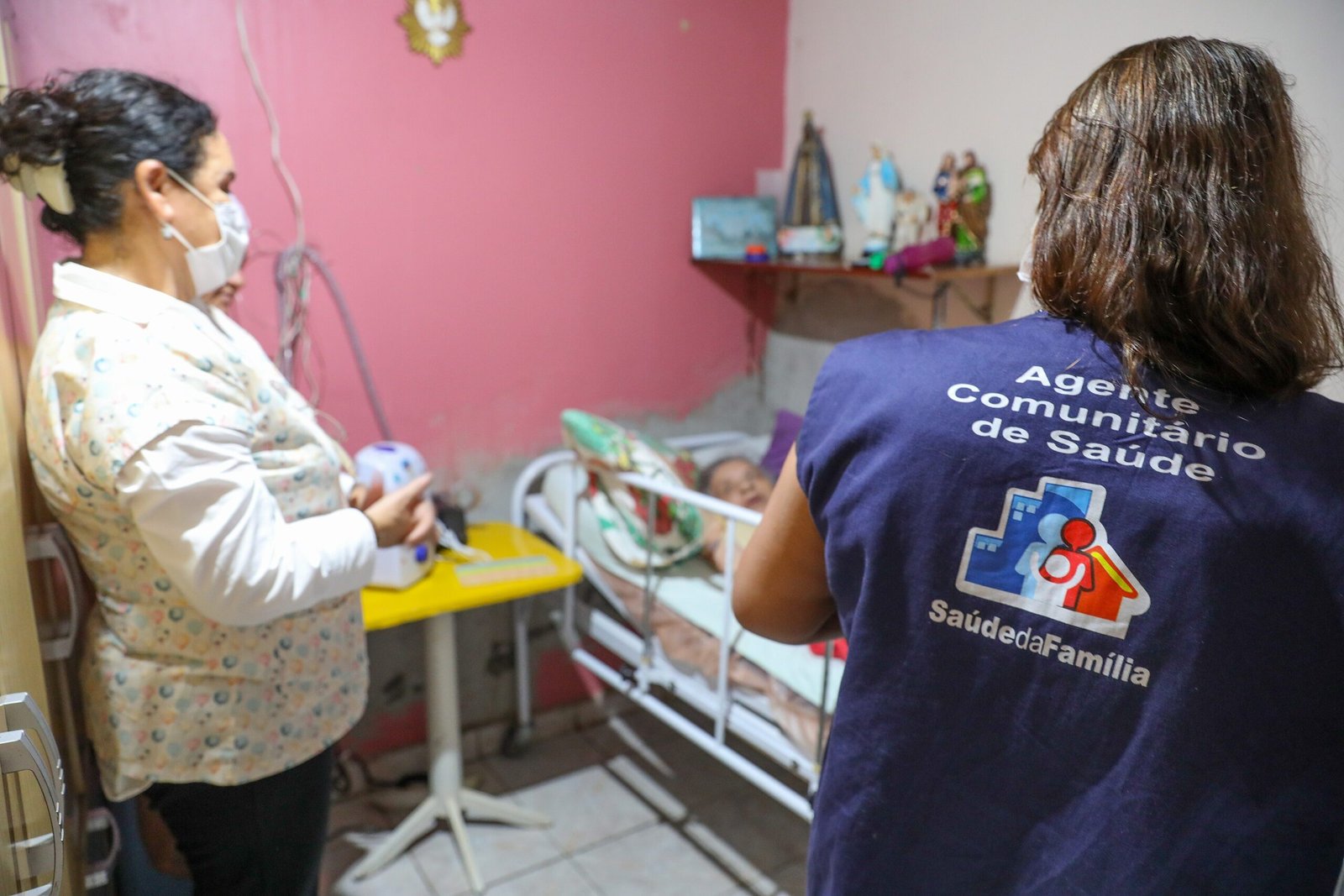

Figure 1. US Mexico Bilateral at World Health Assembly. Source: United States Mission Geneva via Flickr.
Mexico is making headlines with major cultural and sports milestones, including the 40th Guadalajara International Film Festival, the inaugural NASCAR Cup Series race in Mexico City, and its first female president, Claudia Sheinbaum. However, amid these exciting cultural and societal advances, Mexico faces a growing public health challenge: dengue virus..
Dengue fever has become an escalating threat in Mexico, reflecting a broader regional trend across Latin America. The country experienced significant surges in dengue cases in recent years, with alarming spikes in 2024 prompting urgent questions about the epidemic’s causes and strategies to effectively control this dangerous mosquito-borne disease.
In this blog, I discuss two key research studies on the rising dengue cases in Mexico, highlighting the role of dengue virus serotypes and major risk factors driving dengue severity.
What is Dengue and Why is it a Threat?
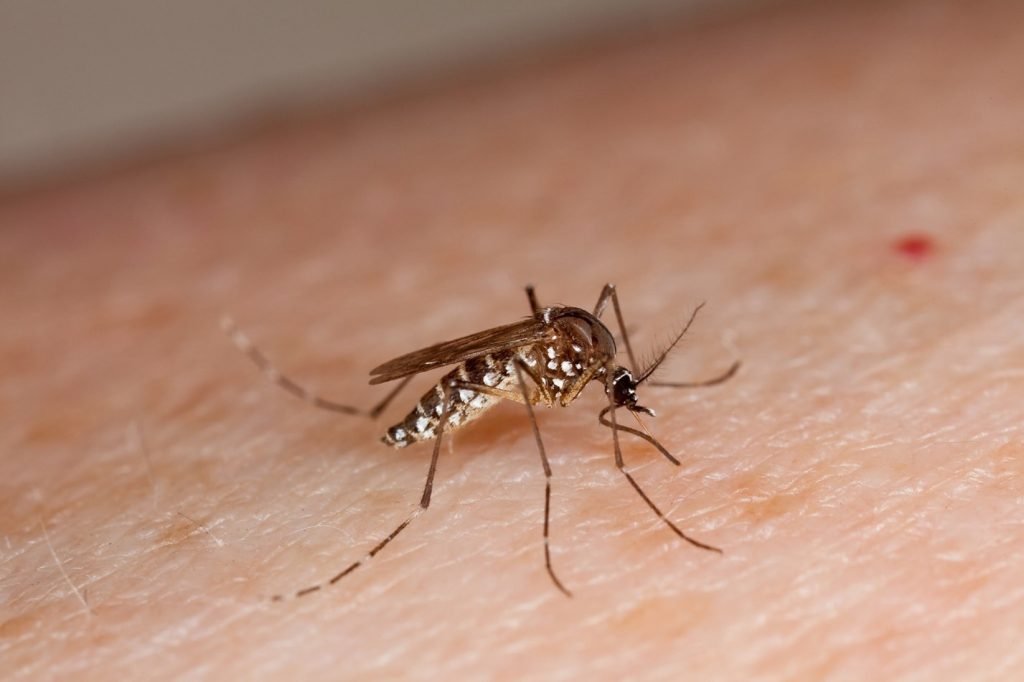
Figure 2. Female Aedes aegypti. Source: USDA photo by Stephen Ausmus via Flickr.
Dengue is a mosquito-borne viral infection primarily transmitted by the Aedes aegypti mosquito.
The disease causes flu-like symptoms such as high fever, severe headaches, joint and muscle pain, and in severe cases, life-threatening hemorrhagic fever or dengue shock syndrome.
According to the World Health Organization (WHO), dengue affects an estimated 100-400 million people globally each year, with tropical and subtropical regions like Mexico bearing the brunt of infections.
Dengue Trends in Mexico: A Worrying Surge
In 2024, Mexico saw a staggering 385% increase in dengue cases by epidemiological week 24 compared to previous years. More than half (59%) of these cases were concentrated in five states: Guerrero, Tabasco, Veracruz, Michoacán, and Chiapas.
This concentration of cases highlights the presence of dengue “hotspots” where transmission risk is significantly higher.
This surge in dengue cases not only surpasses historical records but also signals a growing epidemic that demands immediate attention.
Key Serotypes and Risk Factors in 2023

Figure 3. Anti-dengue pamphlets distributed in 203 by the National Environment Agency. Source: ProjectManhattan via Wikimedia Commons.
The retrospective study (a study that analyzes data collected in the past) by Bautista et al. published in Viruses analyzed severe dengue cases in a population with social security in Mexico during 2023 by examining the distribution of dengue virus (DENV) serotypes in a population covered by the Mexican Social Security Institute (IMSS).
Using laboratory-confirmed cases detected through RT-qPCR testing, the research explored how different DENV serotypes impact the severity of dengue infections.
DENV-3 is most common and children are at high risk
The study found that DENV-3 was the most predominant serotype, representing 64.4% of cases. Severe dengue was most prevalent among children aged 5 to 14 years, and women were at higher risk of developing severe disease compared to men.
Most cases occurred during the peak season from July to September, particularly in warmer regions where both the number and severity of cases were elevated. Warm regions had overall more cases and associated with more severe dengue patients.
Statistical methods that allow researchers to conclude findings as significant included frequency analysis, Z-tests, adjusted Chi-square tests, and binary logistic regression set at p < 0.05.

Figure 4. Latino children in Santa Ana, California. Source: heacphotos via Flickr
DENV-2 serotype, age, and female sex associated with more dengue severity
Importantly, DENV-2 infections were strongly associated with increased disease severity, while DENV-4 showed no significant link to severe outcomes.
Other key risk factors for severe dengue included age extremes and female sex, underscoring the need to consider demographic and viral factors in disease management.
These findings highlight the critical role of dengue virus serotype surveillance and demographic analysis in Mexico’s public health response. Targeted prevention and control strategies focusing on high-risk groups and regions can improve outcomes and reduce the burden of severe dengue across the country.
Risk Factors Leading to In-Hospital Dengue Mortality from 2020- mid 2024
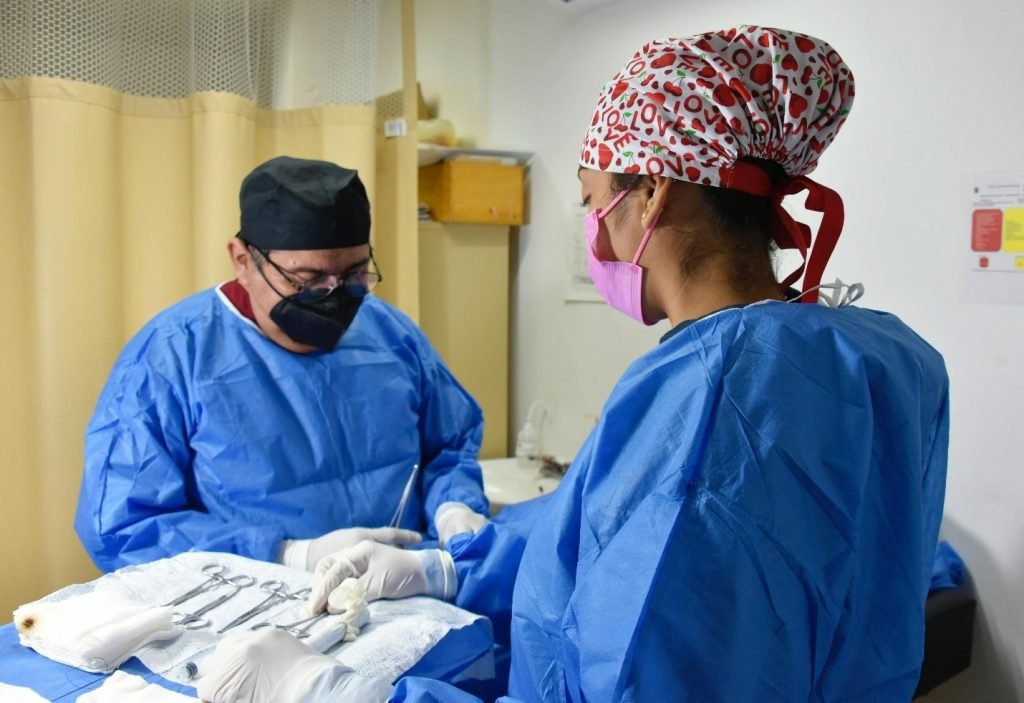
Figure 5. Doctors in a Mexican hospital. Source: Jorge Chan via pexels.
A recent nationwide study by Ríos-Bracamontes et al. published in the Tropical Medicine and Infectious Disease journal analyzed over 18,000 laboratory-confirmed dengue with 323 in-hospital deaths recorded cases in Mexico from 2020 to 2024 to identify key factors contributing to in-hospital mortality.
Using generalized linear regression models and national surveillance data from Mexico’s General Directorate of Epidemiology, researchers were able to quantify the impact of these viral and host factors on patient outcomes.
The research revealed an overall dengue case-fatality rate of 17.5 per 1,000 cases, highlighting the ongoing public health challenge posed by severe dengue infections in the country.
Patient characteristics can increase risk of death by dengue
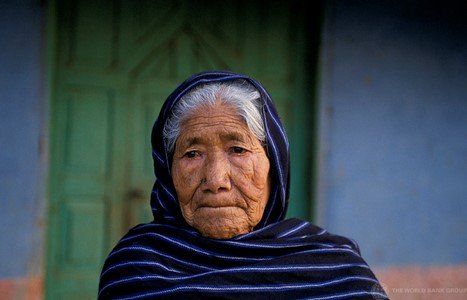
Figure 6. Portrait of elderly woman in Mexico. Source: World Bank Photo Collencion via Flickr.
The study found that infections caused by dengue virus serotypes DENV-2 (81% risk) and DENV-3 (87% risk) significantly increased the risk of death compared to DENV-1.
Patient characteristics such as older age, type 2 diabetes mellitus, and chronic kidney disease were strongly associated with higher mortality rates.
In fact, each additional year of age raised the risk of death by 2%, while diabetes and kidney disease more than doubled and tripled the risk, respectively.
Overall, this study provides valuable insights into the complex interplay between dengue virus serotypes and individual health conditions, emphasizing the importance of early detection and specialized care to improve survival rates in Mexico’s ongoing battle against dengue.
Enhanced surveillance and interventions are essential
These findings underscore the critical need for targeted clinical management and public health strategies that prioritize high-risk groups to reduce dengue-related deaths.
Together, these studies underscore the complex interplay of viral strains, patient demographics, and environmental conditions fueling Mexico’s dengue epidemic.
Enhanced surveillance of dengue serotypes, targeted vector control in hotspot regions, and focused healthcare interventions for vulnerable populations are essential steps in curbing this growing health threat.