Source: KaurJmeb via Wikimedia Commons.
Highlights
- Repellents prevent disease, but only if they work
- “Natural” does not mean effective
- Most natural ingredients failed testing
- Only a few natural repellents worked
- False confidence increases disease risk
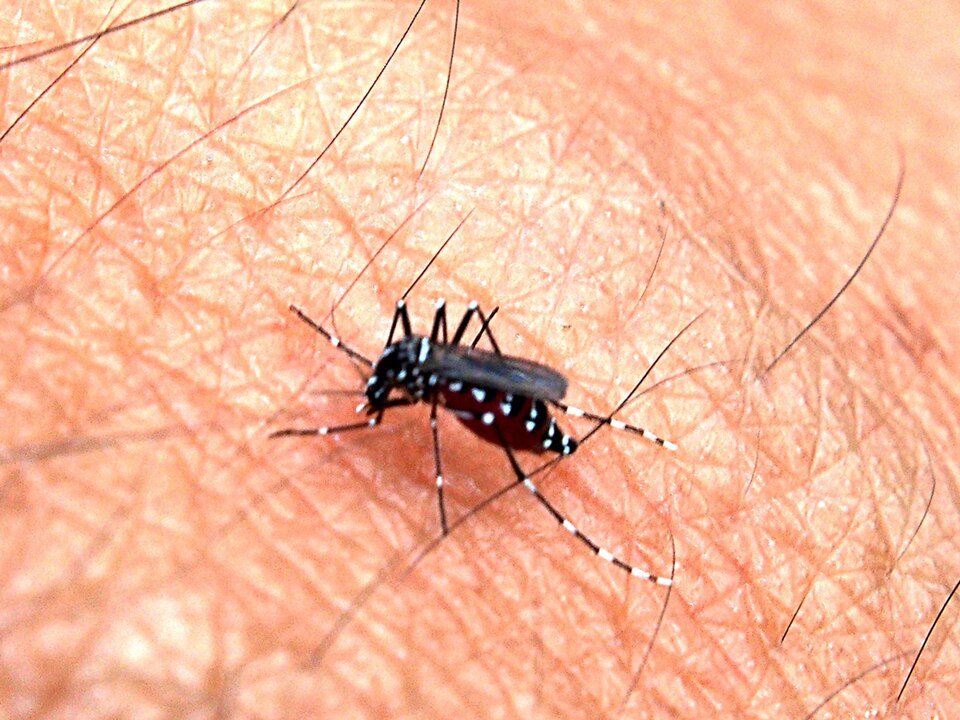
Insect repellents are one of the most effective tools for preventing arboviral diseases like dengue, Zika, and Chikungunya. When used correctly, they reduce Aedes aegypti mosquito bites and lower transmission risk. Yet infections continue to rise year after year, showing that access or mosquito surveillance alone is not enough.
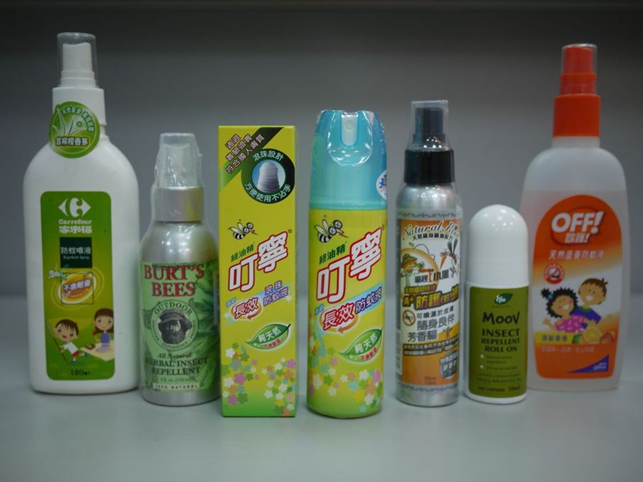
Effectiveness matters. Many Latino families rely on “natural” repellents because of cost, availability, safety concerns, or cultural preference. These products dominate store shelves and social media, promising protection without “harsh chemicals.”
Many people assume that if a repellent is plant-based, it must work, but science tells a different story.
The critical public health question is: do natural repellents work. If so, which ones provide real protection?
In this blog, we examine findings from a 2023 Scientific Reports study by Luker et al. that systematically tested natural repellent ingredients to separate evidence from marketing.
How researchers tested “natural” repellents
Source : Fairfax county via Flickr.
To move beyond marketing claims, researchers evaluated the effectiveness of 20 active ingredients listed by the U.S. Environmental Protection Agency (EPA) as “minimum risk pesticides.”
These ingredients commonly appear in natural repellent products and face fewer regulatory hurdles than synthetic chemicals.
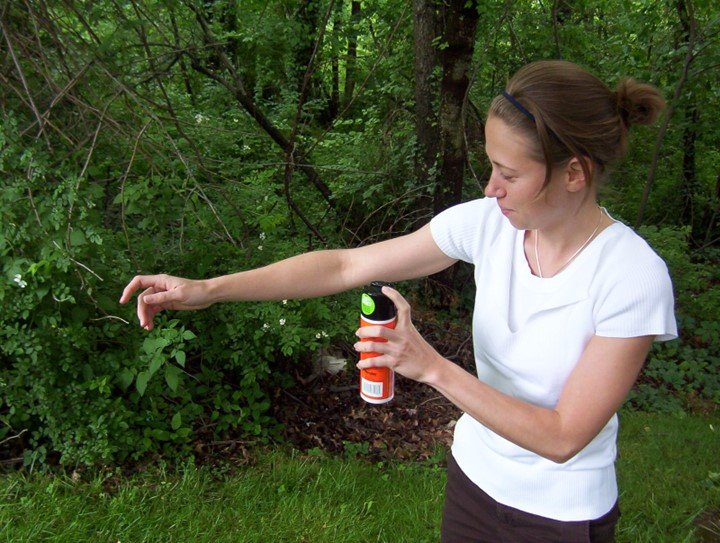
The researchers applied each ingredient as a 10% lotion to human volunteers’ forearms and used an EPA-recommended arm-in-cage assay to measure protection.
Volunteers placed their treated arms into cages containing live Aedes aegypti mosquitoes, the primary vectors of dengue, Zika, and chikungunya.
Instead of guessing effectiveness, the researchers measured a simple, meaningful outcome: how long the repellent prevented the first confirmed mosquito bite.
This measurement, called complete protection time, reflects real-world exposure more accurately than laboratory tests that only measure mosquito attraction from a distance.
What worked and what failed
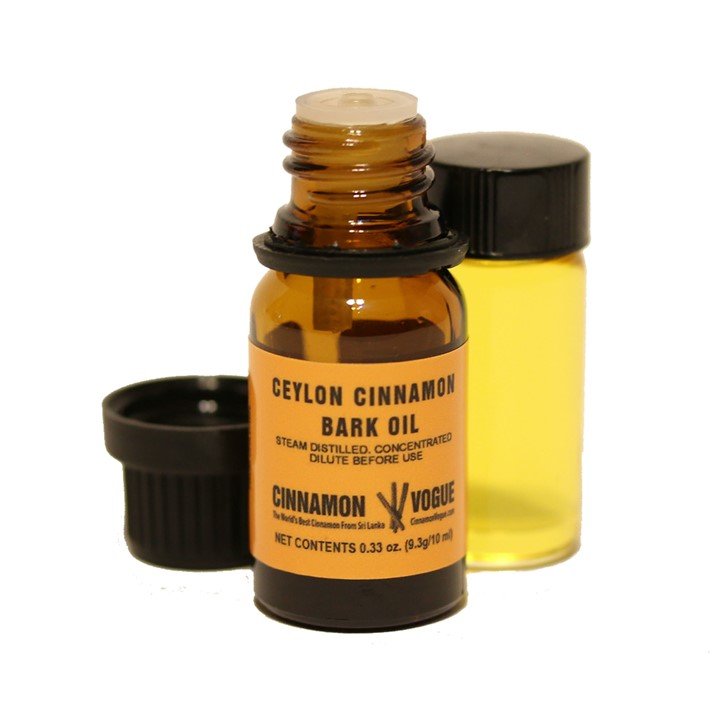
Source: Cinnamon Vogue via Flickr.
The results were clear and striking. Protection times ranged from less than a minute to nearly two hours.
Most natural ingredients failed. Oils such as soybean, rosemary, cedarwood, sesame, and linseed oil offered no meaningful protection beyond an unscented lotion. Despite frequent marketing claims, these ingredients did little to stop mosquitoes from biting.
Only a small group of essential oils consistently reduced bite risk. Cinnamon oil, clove oil, and geraniol stood out, each providing more than an hour of protection in many trials.
Several others, including peppermint, lemongrass, citronella, garlic, and spearmint, offered shorter but measurable protection, typically around 30 minutes.
For comparison, a 10% DEET formulation protected volunteers for more than six hours. Natural repellents did not match that performance, but a few still provided meaningful, measurable protection.
Why “natural” does not mean effective
Essential oils differ dramatically in their chemical makeup. Some contain dozens of biologically active compounds that interfere with mosquito sensory systems. Others contain very few.
The study showed a clear pattern: oils with complex terpene profiles performed best, while chemically simple oils failed.
Cinnamon and clove oils, for example, contain rich mixtures of volatile compounds that disrupt mosquito behavior when they land on skin.
Calling these products “natural” hides these important differences. From a mosquito’s perspective, chemistry, not marketing language, determines whether a repellent works.
Why This Matters
What this means for disease prevention
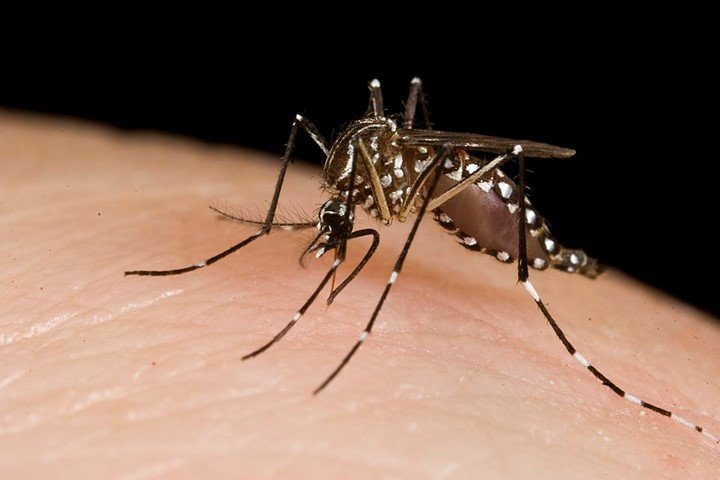
Source: mosquitoes via Wikimedia Commons.
Using an ineffective repellent increases exposure risk while creating false confidence. People stay outside longer, skip reapplication, or ignore other protective measures because they believe they are protected.
At the same time, the study offers an important correction: natural repellents are not useless. A small number clearly work, at least for short to moderate periods. When used intentionally and reapplied as needed, they can reduce mosquito bites and lower disease risk.
Some plant-based repellents meaningfully reduce mosquito bites. Most do not.
As mosquito-borne diseases expand with climate change, separating what works from what merely smells good is no longer optional, it is essential for effective public health prevention.
A growing market meets uneven protection

Interest in natural insect repellents is rising quickly across Latin America. In 2024, the Latin American market for products labeled or sold as “natural” insect repellents generated approximately USD 262.5 million in revenue and is projected to grow at around 8% annually, with personal-use repellents accounting for the largest share.
This growth reflects increasing consumer concern about chemical exposure, especially in households with children, as well as heightened awareness of mosquito-borne disease risk.
Globally, the natural mosquito repellent segment, including botanical oils and plant-based formulations, is also expanding.
However, despite rapid growth, natural products still represent a small fraction of total mosquito repellent sales, which remain dominated by synthetic formulations such as DEET-based products. This gap highlights a tension between consumer preference and proven efficacy.
The findings from Luker et al. underscore why this distinction matters. While demand for “natural” repellents is accelerating, only a limited number of plant-derived active ingredients, such as clove oil and cinnamon oil at appropriate concentrations, demonstrate meaningful protection against disease-carrying insects.
As arboviral threats continue to rise in Latin America, aligning consumer choices with evidence-based repellency will be critical for effective prevention.
Summary
Most “natural” insect repellents do not effectively prevent mosquito bites.
A 2023 Scientific Reports study by Luker et al. tested 20 plant-based ingredients and found that only a fewm especially clove oil, cinnamon oil, and geraniol, provided measurable protection, typically lasting under 90 minutes.
Effectiveness depended on chemical composition, not “natural” labeling.
As use of natural repellents grows in Latin America, distinguishing products that truly reduce bite risk from those that offer false confidence is critical for effective arboviral disease prevention.
Subscribe to Pathogenos

Mosquito-borne diseases are evolving faster than public health messaging. At Pathogenos, we break down new research into clear, evidence-based guidance.
Subscribe to receive science-backed insights on dengue, Zika, chikungunya, and other emerging infectious threats, with a focus on what actually reduces risk in real-world settings.