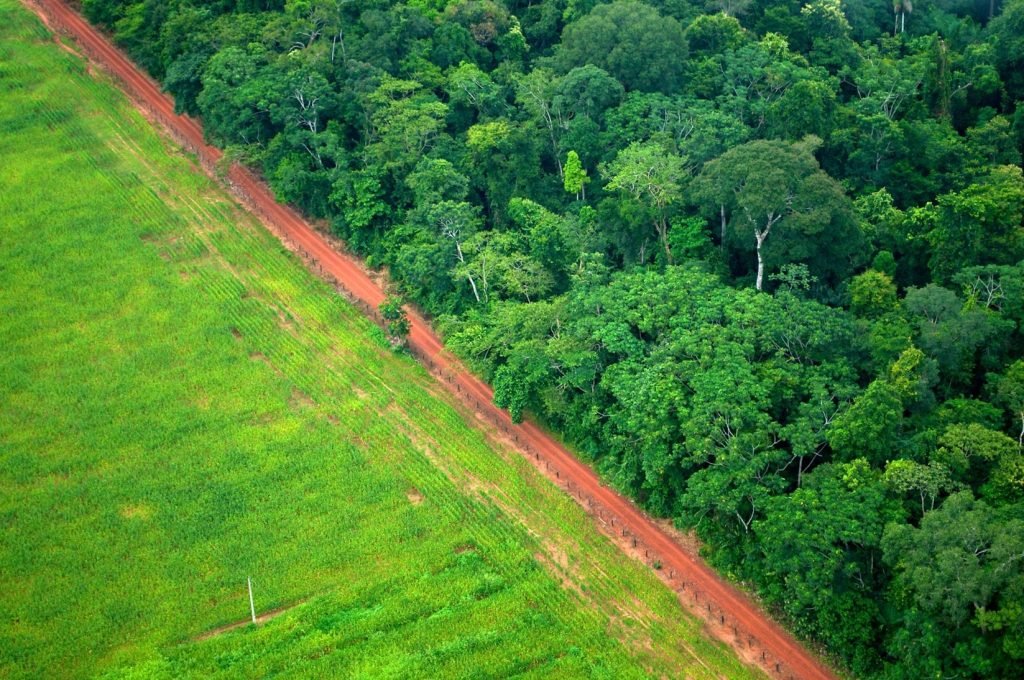
Figure 1. Deforestation near Rio Branco, Acre, Brazil. Source: CIFOR-ICRAF via Flickr.
Table of Contents
In the dense rainforests and rapidly urbanizing cities of Latin America, a lesser-known virus is starting to gain attention: the Oropouche virus (OROV). While dengue, Zika, and chikungunya often dominate the headlines, Oropouche is silently infecting thousands. Public health experts warn that it may be the next major viral threat in the region.
Once neglected and rarely studied, OROV is now the second most prevalent arbovirus in South America after dengue. Although still classified as an emerging infectious disease, it has established a strong foothold across several Latin American countries.
But the question is, why is OROV spreading so rapidly in Latin America? The answer lies in a complex intersection of ecological disruption, urban expansion, climate change, and limited disease surveillance.
In this blog, I will focus on two scientific articles that shed light on how environmental and climatic factors are fueling the rise of OROV, and how these same drivers may soon push it beyond its current geographic niche.
Understanding Oropouche Virus: Key Facts and Health Impacts
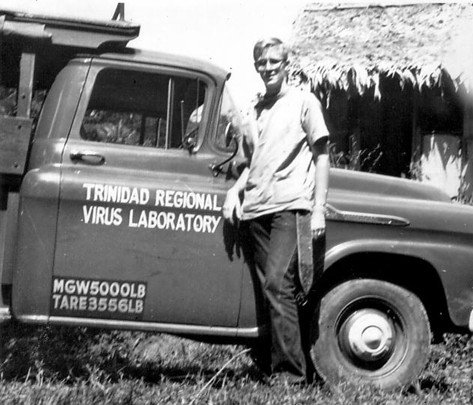
Figure 2. John Hill, Canadian Virologist and author working in Trinidad Regional Virus Laboratory, 1959. Source: John Hill via Wikimedia Commons.
OROV is an emerging arbovirus first isolated in 1955 from a febrile patient in Trinidad and Tobago. Since then, it has caused over 500,000 human infections in Brazil, with outbreaks primarily concentrated in the Amazon Basin.
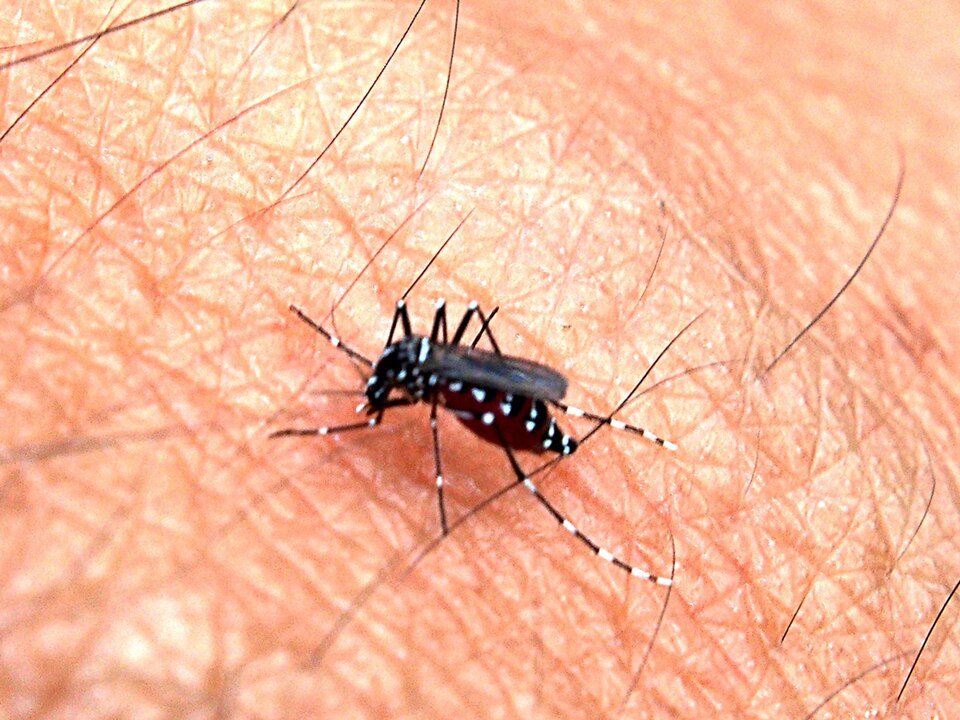
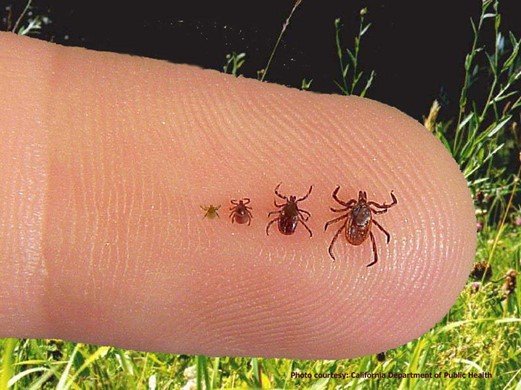
Unlike dengue virus, which is transmitted by Aedes aegypti mosquitoes, OROV is spread mainly by the biting midge Culicoides paraensis, locally known as “jejen” or “mosquito polvorilla”.
This tiny insect is capable of surviving in tropical and subtropical climates and has been found as far north as the southern United States, highlighting its potential for geographic expansion beyond Latin America.
What makes OROV particularly concerning is the lack of specific treatments or vaccines. Despite its growing burden, there are no clinically approved antiviral drugs or vaccines targeting OROV.
As of September 2024, Brazil remains the most affected country, with over 7,931 reported cases and two confirmed deaths, according to PAHO. However, OROV has also been detected in Peru, Cuba, Bolivia, Panama, and Colombia, in descending order of reported cases.
OROV Virology
- OROV is an arthropod-borne virus (arbovirus) transmitted primarily through biting midges (Culicoides paraensis), and occasionally mosquitoes, with primates and birds serving as natural vertebrate reservoirs.
- It is a single-stranded, negative-sense RNA virus, classified under the Orthobunyavirus genus.
- After a bite from an OROV-infected midge or mosquito, the incubation period ranges from 3 to 8 days before symptoms appear.
- Can be passed from pregnant woman to their fetus
OROV Symptoms
- Common symptoms include high fever (~39°C), headache, chills, muscle aches (myalgia), joint pain (arthralgia), nausea, vomiting, and general malaise.
- The acute illness typically lasts 2 to 7 days, but in up to 60% of cases, symptoms may recur.
- Some can develop more serious disease, including meningitis and encephalitis, Guillain-Barre Syndrome, and Hemorrhagic symptoms, and death.
Why Does the Oropouche Virus Thrive in Latin America?
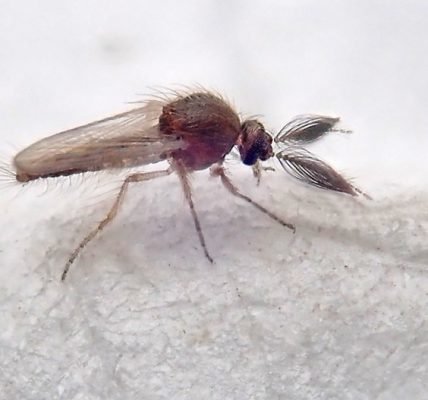
Figure 3. Image of a biting midge. Source: Ian Jacobs via Flickr.
The recent study by Fischer et al., published in The Lancet Infectious Diseases, sheds light on why OROV is thriving in Latin America. Researchers analyzed blood samples from over 9,000 individuals across six countries (Bolivia, Brazil, Colombia, Costa Rica, Ecuador, and Peru) collected between 2001 and 2022.
These samples were tested for antibodies, which are virus-fighting proteins produced by plasma B cells. The presence of Oropouche-specific antibodies indicated prior exposure to the virus, even in people who may not have reported symptoms.
To better understand the geographic spread of OROV, the research team integrated these serological findings with climate data, vector distribution maps, and land-use patterns. Using machine learning models, they identified hotspots of OROV transmission and predicted areas at high risk of future outbreaks.
They also performed genetic analysis of viral samples, comparing strains from different time periods, including recent outbreaks, to assess whether the virus was evolving or remaining genetically stable.
What Factors Are Driving the Spread of Oropouche Virus?
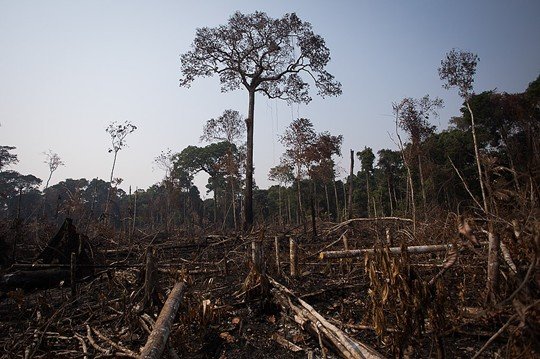
Figure 3. Deforestation in the Amazon forest. Source: Desmatamento e Queimdas 2020 via Wikimedia Commons.
A key finding from the study was that approximately 6 out of every 100 people tested showed evidence of past OROV infection. This suggests that OROV is significantly more widespread in Latin America than previously understood.
Using geographic models, researchers identified high-risk transmission zones in the Amazon rainforest, along Brazil’s southern coast, and even in parts of Central America and the Caribbean. These areas closely align with recent Oropouche outbreaks, reinforcing the accuracy of the model.
The study also revealed that environmental and weather-related factors, including temperature, rainfall, and forest cover, are major drivers of Oropouche virus transmission. In fact, climate variables accounted for over 60% of the infection risk in several regions.
Researchers also analyzed the genetic structure of OROV to determine how much it has evolved over the years. The good news is that OROV appears to be genetically stable as it has not mutated in ways that would make it harder to detect or control.
Blood samples from multiple outbreaks reacted similarly in laboratory tests, which is a promising sign for future Oropouche vaccine development. If the virus remains stable, a single vaccine could protect against multiple strains.
However, the team also found that viral reassortment, a process where segments of genetic material are exchanged between different virus strains, can occur in lab conditions.
While no large-scale reassortment has been observed in nature, this remains a potential risk that scientists are monitoring.
Official Letter Highlights Climate Change and Oropouche Virus Threats to Brazil

Figure 4. Climate change protester with a sign. Source: Ivan Radic via Wikimedia Commons.
In their letter to the Brazilian government published in Revista da Sociedade Brasileira de Medicina Tropical, Barreto et al 2024 discuss how OROV is emerging as a growing public health concern in Latin America, driven by environmental destruction and climate change.
It has been responsible for several outbreaks in Brazil, Peru, Colombia, and other tropical regions. Scientists are warning that increased deforestation, urbanization, and rising temperatures are creating ideal conditions for the virus to spread into new areas.
The letter emphasizes that the ecological disruption of rainforests is displacing infected wildlife and bringing humans into closer contact with viral reservoirs, such as sloths, monkeys, and birds. Combined with poor sanitation and limited vector control, these changes could spark larger epidemics in densely populated cities.
Experts are calling for urgent public health surveillance, environmental protections, and cross-border cooperation to track and contain OROV outbreaks before they become more widespread. Like dengue and Zika, Oropouche fever could become the next mosquito-borne epidemic if action is not taken now.
What This Means for Public Health in Latin America
The research highlights that OROV has likely been circulating silently for years, particularly in regions with limited disease surveillance systems. As climate change accelerates and human populations encroach on forested areas, the risk of outbreaks is expected to rise.
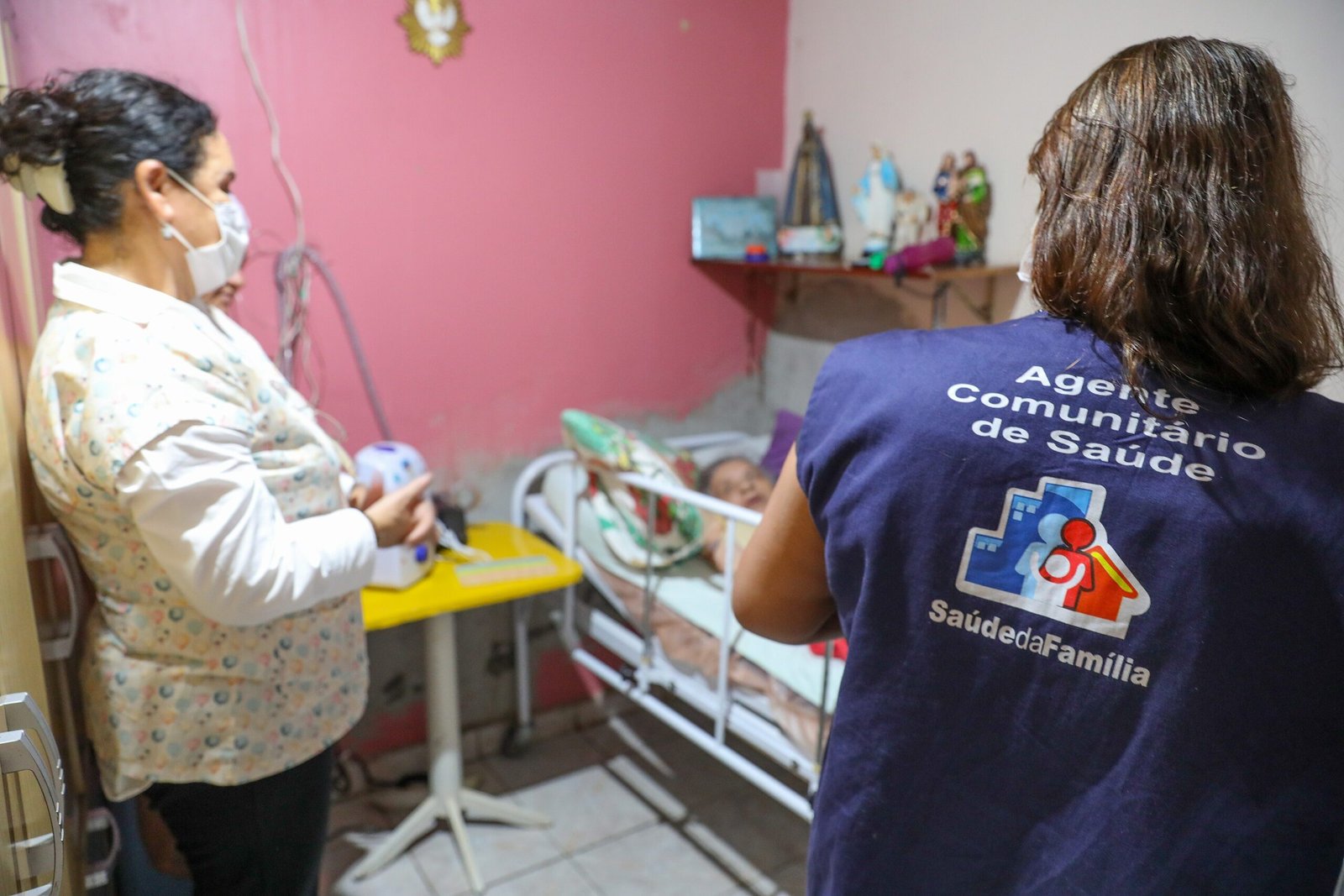
Adding to the challenge, Oropouche fever symptoms often mimic dengue, leading to frequent misdiagnosis due to overlapping clinical signs and lack of routine testing.
To stay ahead of the virus, the public health experts emphasize:
- Incorporating Oropouche virus testing into standard diagnostic panels for febrile illnesses.
- Using risk maps to guide targeted mosquito and midge control strategies and raise public awareness.
- Accelerating vaccine development, leveraging the virus’s genetic stability.
- Expanding field research in both urban and rural environments, where the virus may be underreported.
Oropouche is no longer just a forest virus, it is a growing public health threat in cities and towns across Latin America.