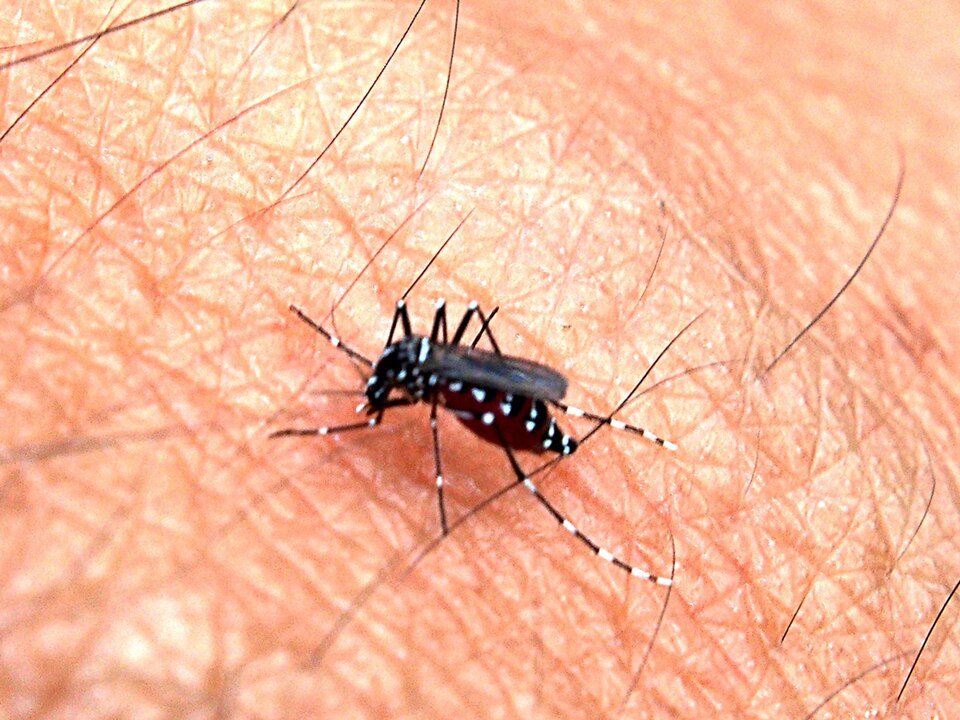
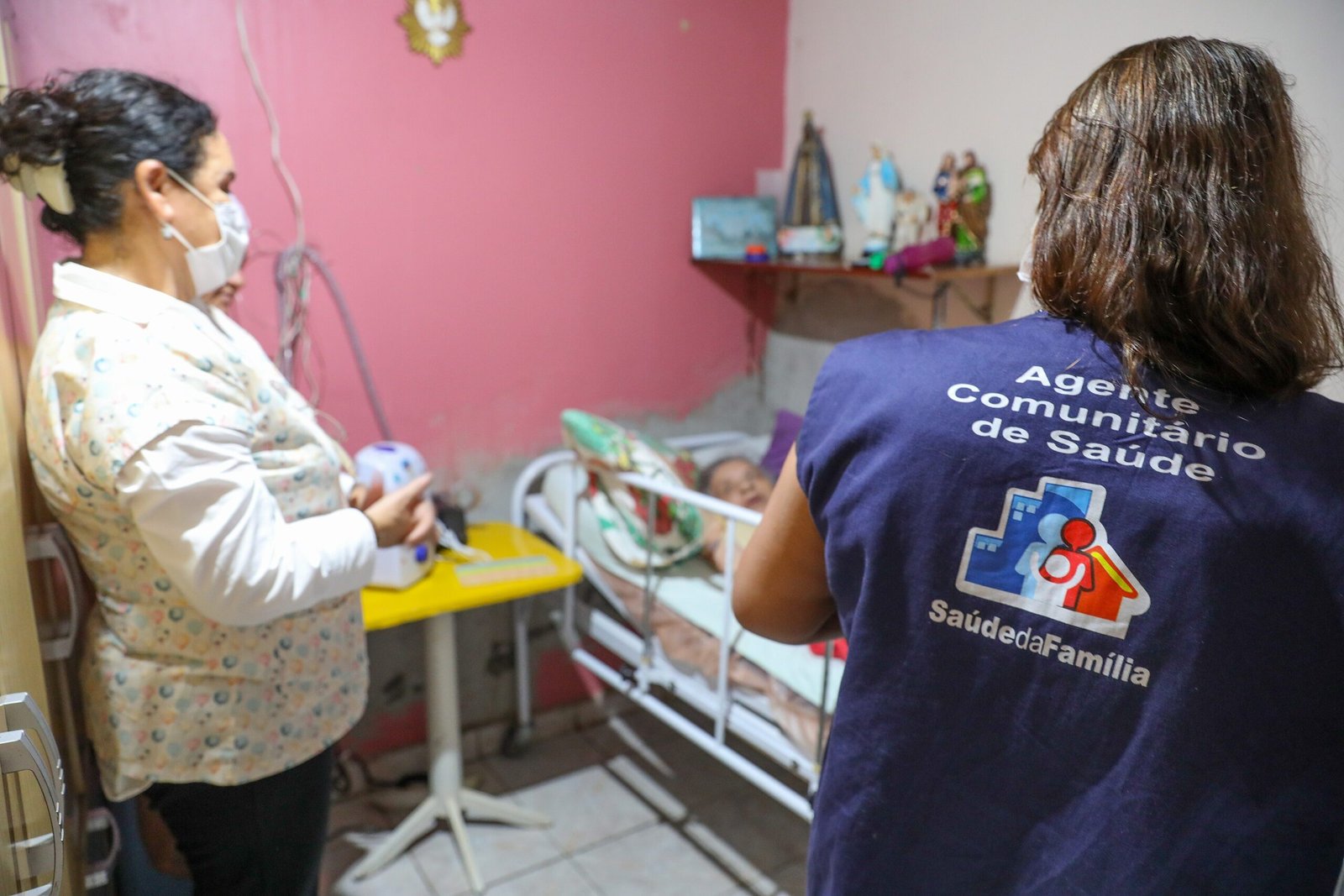
Colombia continues to be one of the countries most impacted by dengue fever in Latin America.
A recent study by Jaramillo-Ramirez et al. published in Scientific Reports, sheds new light on how community knowledge, attitudes, and environmental conditions shape the spread of this mosquito-borne disease.
Conducted in Restrepo, Meta (a dengue-endemic municipality) the research reveals critical insights into what Colombians understand about dengue and how this affects their risk of infection at the household level.
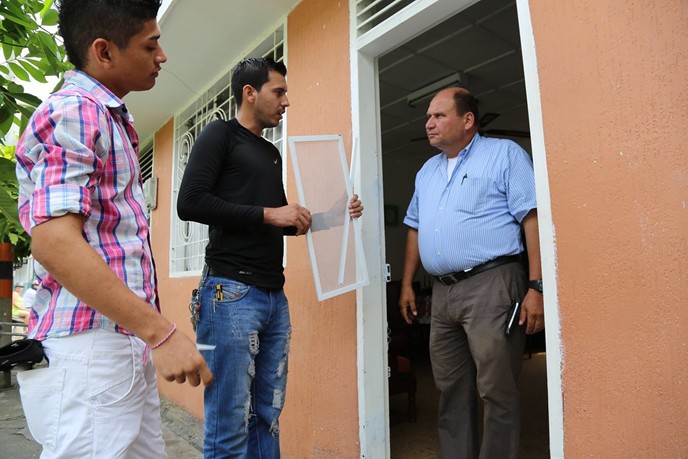
Figure 1. Discussing methods of mosquito control in Girardot, Colombia. Source: Flickr, PAHO.
Understanding the Study
Published in April 2025, the study used a mixed-methods approach to evaluate both environmental and social factors that influence dengue transmission.
Researchers combined quantitative surveys with qualitative focus group discussions to assess community knowledge, behaviors, and the actual presence of Aedes aegypti mosquitoes, the main vectors of the dengue virus.
Residents were asked about their awareness of dengue transmission and prevention practices. Mosquito trapping and environmental assessments were conducted in homes to evaluate real dengue exposure risk.These discussions provided deeper insights into community beliefs, perceptions, and attitudes toward dengue and prevention behaviors.
Key Findings: Knowledge Gaps and Risk Behaviors
Knowledge is [protective] power
Francis Bacon, English Philosopher and Statesman
One of the most important findings is the disconnect between general awareness of dengue and specific, actionable knowledge about how it spreads.
While most participants had heard of arboviral diseases, few understood that Aedes aegypti mosquitoes bite during the daytime. This led many to rely on bed nets—a method ineffective against day-biting mosquitoes.
Households where residents knew the importance of cleaning standing water tanks had significantly fewer mosquitoes.
These homes were 72% less likely to have mosquito presence, proving that specific, actionable knowledge can reduce risk.
Socioeconomic Disparities Affect Dengue Exposure

Figure 2. Colombian pesos. Source: Flickr, Edgar Zuniga Jr.
The study also found that lower-income households were more likely to harbor mosquito breeding sites.Poor housing infrastructure, limited access to water management tools, and less reliable municipal services all contributed to higher mosquito densities.
Residents from higher socioeconomic strata generally lived in homes with screens, sealed water containers, and better sanitation infrastructure, significantly reducing their dengue risk.
Open water containers, uncovered drains, and poor waste management were common in low-income neighborhoods, creating perfect conditions for mosquito breeding.
The Role of Community Engagement
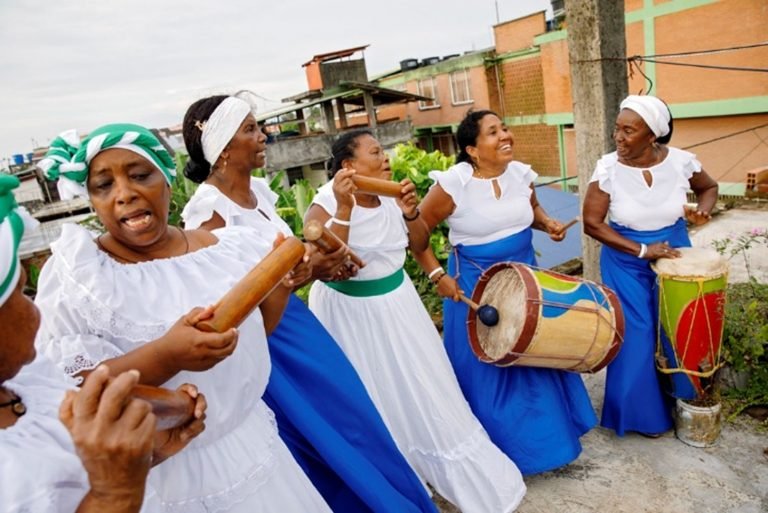
Figure 3. Colombian community preserving Afro-Colombian culture through song. Source: Flickr, UN Women/Ryan Brown.
Surprisingly, the study found limited grassroots involvement in mosquito control efforts. Most participants believed that dengue prevention should be the government’s responsibility, particularly via insecticide spraying.
Few communities had organized clean-up drives or local health education campaigns. This lack of local engagement could hinder sustainable, long-term dengue control.
Despite the limitations of insecticide-based strategies, most respondents preferred these over community-based solutions. This reliance reflects both cultural norms and possibly a lack of trust in community-led initiatives.
Attitudes That Hinder Prevention
Even when knowledge existed, it didn’t always translate into practice.
Many participants reported that they had simply “gotten used to” mosquitoes and occasional dengue cases. This normalization led to complacency and a reduced sense of urgency around prevention.
Although people knew about the risks of stagnant water, few consistently checked their homes or cleaned containers. This gap between knowledge and practice is a major barrier to effective household-level dengue prevention.
Recommendations: What Needs to Change
The findings from this study emphasize the need for more than just information campaigns. To truly reduce dengue transmission in Colombian communities like Restrepo, public health strategies must go deeper.
- Tailored Education Campaigns: General awareness isn’t enough. Future education efforts should target specific misconceptions, such as the effectiveness of bed nets and the daytime activity of dengue mosquitoes.
- Empowering Communities: Training local leaders and volunteers in mosquito control can foster ownership of the problem and promote sustainable action.
- Addressing Structural Inequities: Improving infrastructure in low-income areas—better drainage, water storage, and waste disposal—is essential to reduce environmental risk factors.
- Integrated Vector Management: Combining entomological surveillance, environmental clean-up, public education, and social mobilization will be more effective than relying solely on fumigation or vaccines.
Conclusion: Dengue Prevention Begins at Home but Needs Support
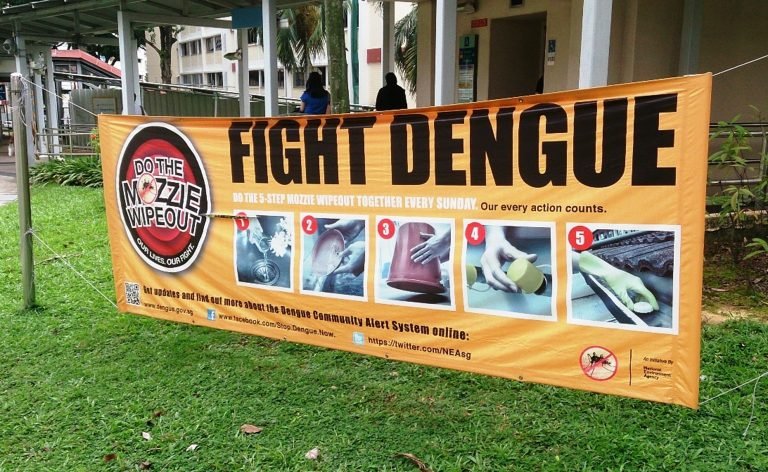
Figure 4. Dengue fever banner. Source: Wikimedia Commons.
Colombia’s battle against dengue isn’t just a fight against mosquitoes—it’s also a challenge to bridge the gap between knowledge and action.
This study from Restrepo highlights that while Colombians may be aware of dengue, a lack of specific knowledge, socioeconomic barriers, and limited community engagement continue to fuel household infections.
Public health initiatives must go beyond top-down interventions and foster a bottom-up, community-led approach that addresses both the environmental and social dimensions of dengue risk.