Source: Fairfax County via Flickr.
Highlights
- Latin America faces overlapping mosquito and tick disease threats
- Most natural repellents fail despite strong consumer demand
- Cinnamon, clove oil, and geraniol show multi-vector protection
- One effective repellent can reduce multiple disease risks
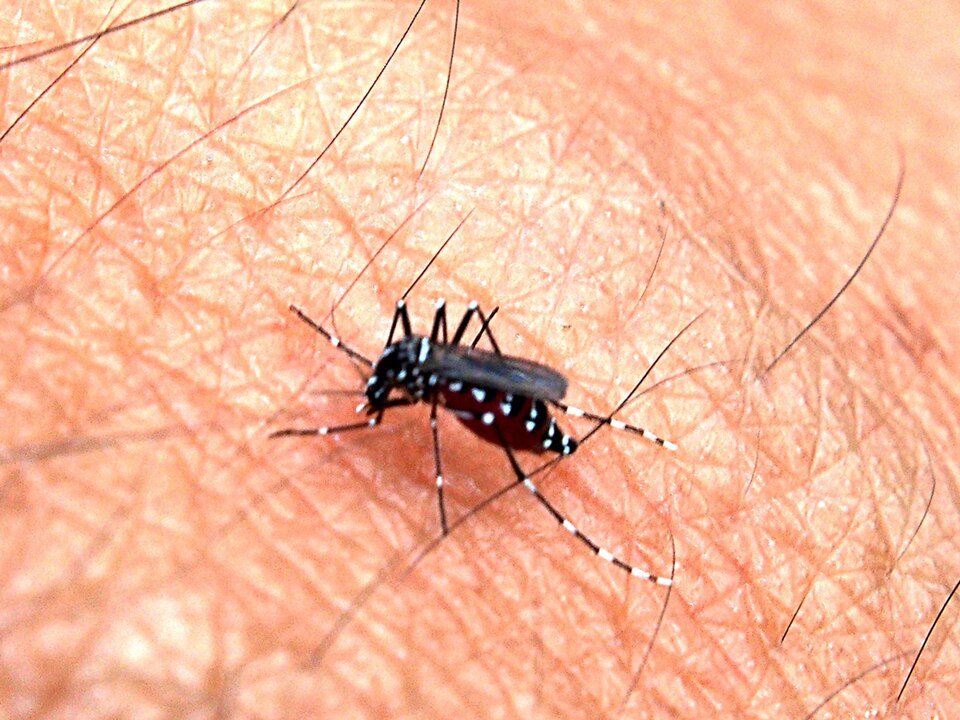
Latin America faces an ongoing burden of arthropod (insect)-borne viral diseases, including dengue, Zika, chikungunya, and Lyme disease.
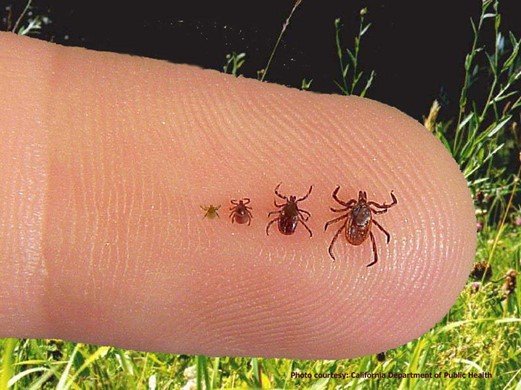
These pathogens are transmitted by different vectors, such as mosquitoes and ticks, often circulating simultaneously in the same communities.
At the same time, consumer interest in natural insect repellents has grown rapidly.
Price, accessibility, skin sensitivity, and concerns about chemical exposure lead many households to choose plant-derived products over synthetic repellents.
The problem? Most “natural” repellents are marketed without strong evidence that they work.
In this blog, we review new evidence testing which natural repellents reduce contact from mosquitoes and ticks.
What the Study Found About Natural Mosquito and Tick Repellents
Source: Gayandusmantha via Wikimedia Commons.
The 2023 study by Luker et al. published in Scientific Reports tested active ingredients approved under the U.S. Environmental Protection Agency “minimum risk” pesticide framework to evaluate whether commonly marketed natural repellents truly reduce vector contact.
The results were striking: only a small number of natural products provided more than 30 minutes of protection.
Importantly, only several effective compounds worked against more than one vector and most plant-based ingredients showed little to no repellency
Three natural ingredients consistently stood out:
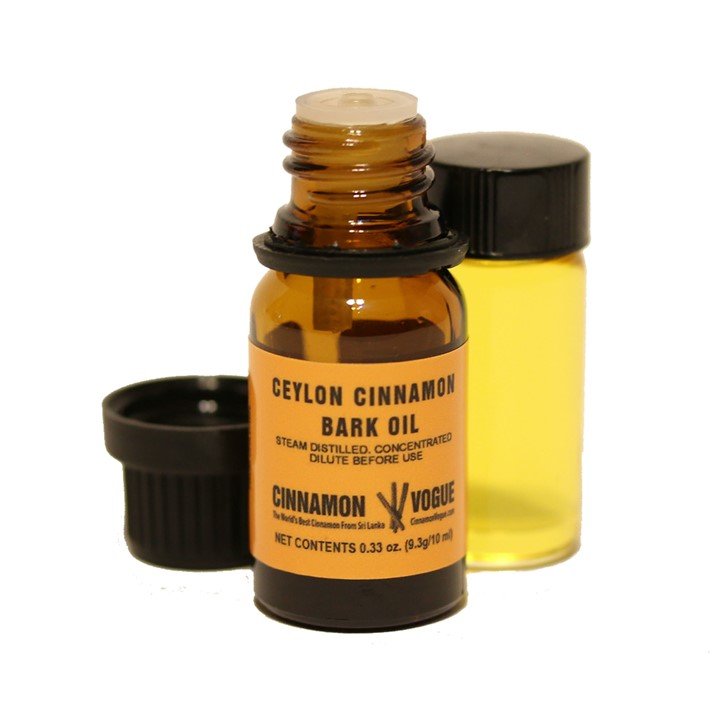
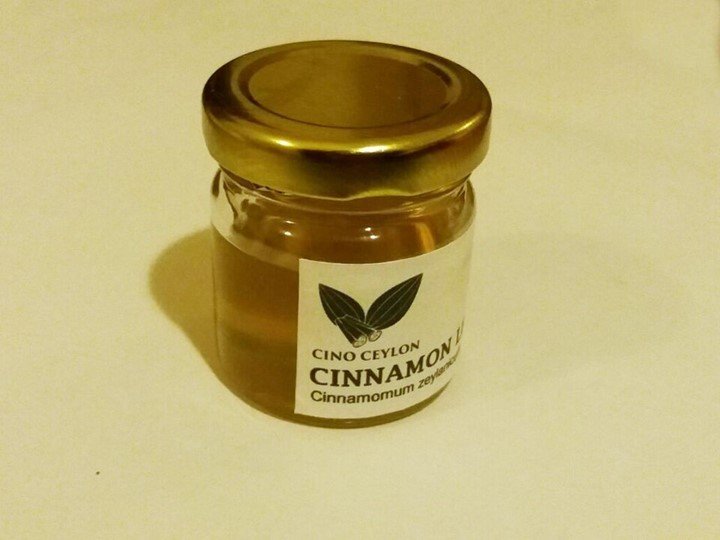
- Cinnamon oil. It is a rich in a compound called cinnamaldehyde, which gives cinnamon its strong, spicy smell. To insects, this odor is overwhelming and irritating. It interferes with how mosquitoes and ticks sense their surroundings, making it harder for them to recognize human skin as a target.
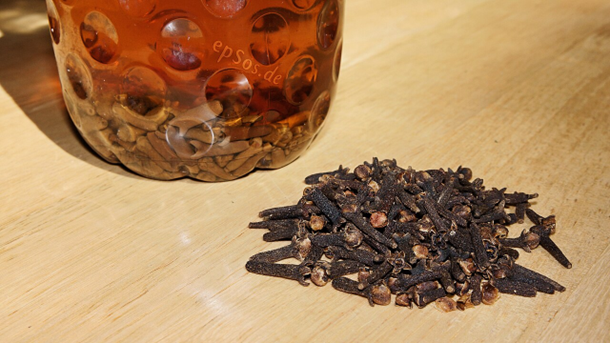
- Clove oil. It contains high levels of eugenol, a compound with a sharp, medicinal scent. Eugenol disrupts insect sensory nerves and has long been known to repel or deter arthropods. This strong chemical signal helps explain why clove oil reduced both mosquito contact and tick feeding in the study.
- Geraniol. It is a naturally occurring alcohol found in plants like lemongrass and roses. It has a sweet, floral smell to humans but acts as a powerful repellent to insects. Geraniol masks the chemical cues insects use to locate hosts, such as skin odors and carbon dioxide, making people harder to find.
These compounds reduced contact and feeding behavior in both mosquitoes and ticks, despite the major biological differences between these vectors.
Mosquitoes rely heavily on odor plumes and carbon dioxide to locate hosts, while ticks detect heat and chemical cues while questing on vegetation.
The fact that the same compounds disrupted both behaviors suggests shared sensory vulnerabilities across vectors.
Why This Matters: One Product, Multiple Diseases
Source: Neil Palmer/CIAT via Flickr.
From a public health perspective, these findings matter.
In many parts of Latin America, households face multiple vector-borne diseases at the same time. Dengue, Zika, chikungunya, and other emerging viruses often overlap.
Climate change and land-use shifts are also expanding tick habitats, including in U.S. regions with large Latino populations.
Prevention becomes harder when different products are needed for different vectors. Costs increase. Consistent use drops.
A single repellent that works against mosquitoes, ticks, and possibly biting midges could reduce exposure to several diseases at once. It also simplifies daily prevention and improves adherence.
This is especially important in underserved communities. Access, affordability, and trust determine whether repellents are used at all. Fewer barriers mean better protection.
Not All “Natural” Repellents Are Equal

Source: epSos.de via Wikimedia Commons.
A critical takeaway from this research is that most plant-based repellents do not work well.
Treating all “natural” products as equally protective creates a false sense of security and increases disease risk.
The value of this study lies in specificity: identifying which ingredients provide real protection, and which do not.
Cinnamon and clove oils are already familiar in many Latin American households, which may improve acceptance compared with unfamiliar synthetic formulations.
However, familiarity alone is not enough, evidence matters.
This study helps separate effective natural repellents from products that rely primarily on marketing claims.
This research does not argue that “natural is better.”
It shows that evidence-based overlap exists between mosquito and tick repellency for a small number of compounds.
In regions facing multiple vector-borne threats, across Latin America and U.S. Latino communities, multi-vector repellents could simplify prevention, reduce barriers, and improve real-world effectiveness.
Call to Action

Want evidence-based guidance on mosquito, tick, and emerging virus prevention?
Subscribe to Pathogenos for science-backed insights on vector-borne diseases, public health risks, and what actually works, no hype, just data.
👉 Subscribe to Pathogenos and stay ahead of the next outbreak.