
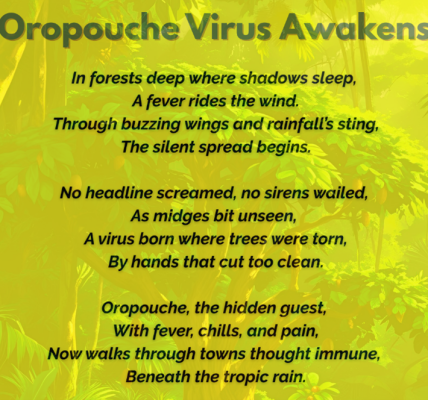
Figure 1. A poem about the Oropouche virus (OROV) in Latin America. Source: Pathogenos.com
Latin America’s stunning tropical landscapes, which is home to vibrant beaches, rich biodiversity, and a warm, humid climate, also provide ideal conditions for disease-carrying mosquitoes and midges.
While dengue virus (DENV) remains a well-known public health threat, the emerging oropouche virus (OROV) is quietly spreading across Brazil, Peru, and other parts of Latin America.
Both DENV and OROV infections cause acute febrile illnesses marked by symptoms such as fever, headache, and fatigue.
However, new clinical studies from 2024 and 2025 reveal important differences that can help healthcare providers and patients distinguish between dengue fever and Oropouche fever, especially during outbreaks when both viruses are circulating at once.
This article is part of a two-part blog series that compares the symptoms of OROV and DENV, explores the underlying virological mechanisms, and recommends safe, evidence-based over-the-counter (OTC) treatments for effective symptom relief.
Whether you are a traveler, healthcare worker, or resident of an endemic region, understanding how to differentiate these viral infections is crucial for early diagnosis and proper care.
Table of Contents
What Are the Common Symptoms of Oropouche Fever?

Figure 2. Three toed sloth at the Dallas World Aquarium. OROV is commonly known as “sloth fever”. Source: Sergiodelgado via Wikimedia Commons.
The 2025 study published in PLOS Neglected Tropical Diseases by Wang et al. set out to answer a critical question: What are the clinical signs, symptom patterns, and outcomes of OROV infection?
A Systematic Review Across Latin America
Wang et al. conducted a systematic review and meta-analysis to comprehensively characterize the clinical presentation of OROV infection.
The authors searched major medical databases including MEDLINE, EMBASE, SCOPUS, and the Cochrane Library for studies published up to June 2024 that reported laboratory-confirmed OROV cases, primarily diagnosed using the common detection methods RT-PCR or IgM ELISA.
A total of 15 studies with 806 confirmed patients met inclusion criteria and were analyzed according to PRISMA and MOOSE guidelines to ensure they combined and reviewed all the information in a clear and trustworthy way.
The review included 12 cohort studies, two case series, and one cross-sectional study. All the research was conducted in Latin America, with eight studies from Brazil, five from Peru, and one each from Colombia and French Guiana.
Fever and Headache Are the Most Common Symptoms of OROV, Study Finds
The meta-analysis found that fever and headache were the most common symptoms in OROV infection, affecting nearly all patients. Gastrointestinal symptoms such as nausea, vomiting, anorexia, and painful swallowing (odynophagia) were also frequently reported.
Additionally, ocular symptoms including retro-orbital pain (pain behind the eye) and photophobia (sensitive to bright light), respiratory symptoms like sore throat and cough, and dermatological signs such as rash and itching were commonly observed.
This symptom profile demonstrates a broader clinical spectrum than previously recognized, and it overlaps partly with other arboviruses like dengue.
Can OROV Symptoms Be Distinguished from Dengue and Other Arboviral Diseases?
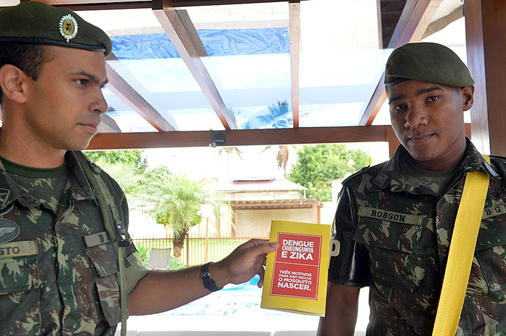
Figure 3. Brazilian military combatting dengue. Source: Exército Brasileiro no combate ao mosquito Aedes via Wikimedia Commons.
One of the most important public health questions in Latin America is: can we clinically distinguish OROV infection from dengue or other common arboviral diseases?
That was the focus of a 2024 study led by Tortosa et al., published in the Revista Panamericana de Salud Pública (PAHO/WHO). The researchers conducted a systematic review to compare the clinical symptoms of Oropouche fever with those of DENV and other arboviral infections.
Using MOOSE and PRISMA guidelines, the team searched PubMed, the Virtual Health Library, Cochrane Library, and Google Scholar through September 2024. They included studies with laboratory-confirmed OROV cases, using diagnostic tools like RT-PCR and IgM ELISA, to ensure accuracy.
In total, 23 studies encompassing 3,648 Oropouche patients were synthesized, with symptom frequencies compared against those reported for dengue and other arboviral infections.
Key Differences Between OROV and Dengue Fever Symptoms
When it comes to diagnosing OROV versus DENV infections, some symptoms overlap, but others can help clinicians tell them apart.
Fever (97%) and headache (86%) were almost universal among OROV-positive patients. However, these symptoms are also extremely common in DENV cases, making them poor differentiators between the two arboviral infections.
In contrast, odynophagia (i.e., painful swallowing, 28%) and abdominal pain (15%) were significantly more prevalent in Oropouche than in dengue, while myalgia (i.e., muscle pain, 69%), arthralgia (i.e., joint stiffness, 57%), and skin rash were less common in Oropouche.
Thus, odynophagia and abdominal pain may serve as clinical clues pointing toward Oropouche, whereas prominent muscle/joint pain and rash lean toward dengue presentation.
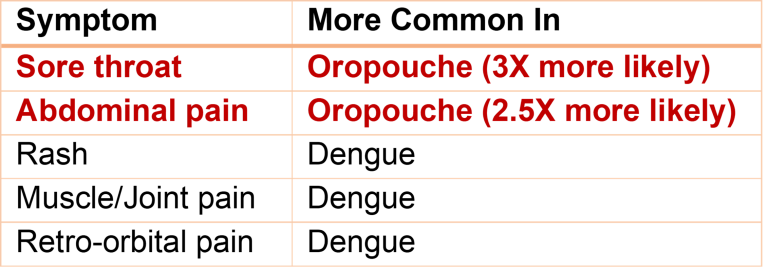
Table 1. Key symptoms prevalent in OROV versus DENV infection.
Why Do These Symptoms Occur in OROV infection?
Although OROV is less studied than dengue, partly due to its status as a neglected tropical disease, some of its symptoms may result from similar immune and inflammatory responses seen in other arboviral infections like DENV.
In Part 2 of this blog, we explore these shared mechanisms in more detail, along with safe, evidence-based over-the-counter (OTC) medications for managing sore throat and abdominal pain in OROV and DENV infections.
Conclusion: Why Differentiating Oropouche from Dengue Matters
As climate change and urbanization accelerate the spread of mosquito-borne diseases in Latin America and beyond, it is more important than ever to understand the clinical differences between OROV and DENV infections.
Early recognition of key symptoms can improve clinical outcomes, guide appropriate testing, and support public health surveillance.
Key Takeaways for Differentiating OROV vs. Dengue:
- Sore throat and abdominal pain are more common in OROV infection
- Muscle pain, joint stiffness, and rash are more common in dengue fever
- RT-PCR and IgM ELISA remain the gold standard diagnostic tools
- Safe symptom management is essential due to the lack of antiviral treatments for both viruses
By learning to recognize these subtle symptom patterns, healthcare providers and public health workers can better detect emerging arboviruses like OROV and respond faster to outbreaks.

Hi my friend! I wish to say that this article is awesome, nice written and include approximately all important infos. I’d like to see more posts like this.
Thanks! Working on it. Let me know which topics you’d like to know more about. Best,