Figure 1. Sloth in Puerto Viejo, Costa Rica. Oropouche fever is known as the “sloth fever”. Source: Steven Zwerink via Flickr.
Fever and headache are common to both Oropouche virus (OROV) and dengue virus (DENV), making diagnosis tricky, especially during outbreaks when both viruses circulate together.
But new research reveals two clinical symptoms that are more common in OROV: sore throat and abdominal pain. In Part 1 of this two-part series, we broke down the latest scientific findings on how Oropouche presents differently from dengue.
Now in Part 2, we go deeper, exploring the underlying biological mechanisms that may explain these symptoms in OROV infection. We also highlight evidence-based over-the-counter (OTC) treatments that can help manage sore throat and abdominal pain safely and effectively.
Table of Contents
Why Do These Symptoms Occur in OROV infection?
While OROV remains less studied than dengue (hint: neglected tropical disease), some of its symptoms may arise from shared immunopathological mechanisms seen in other arboviral infections like dengue.
Why Does Sore Throat Happen?
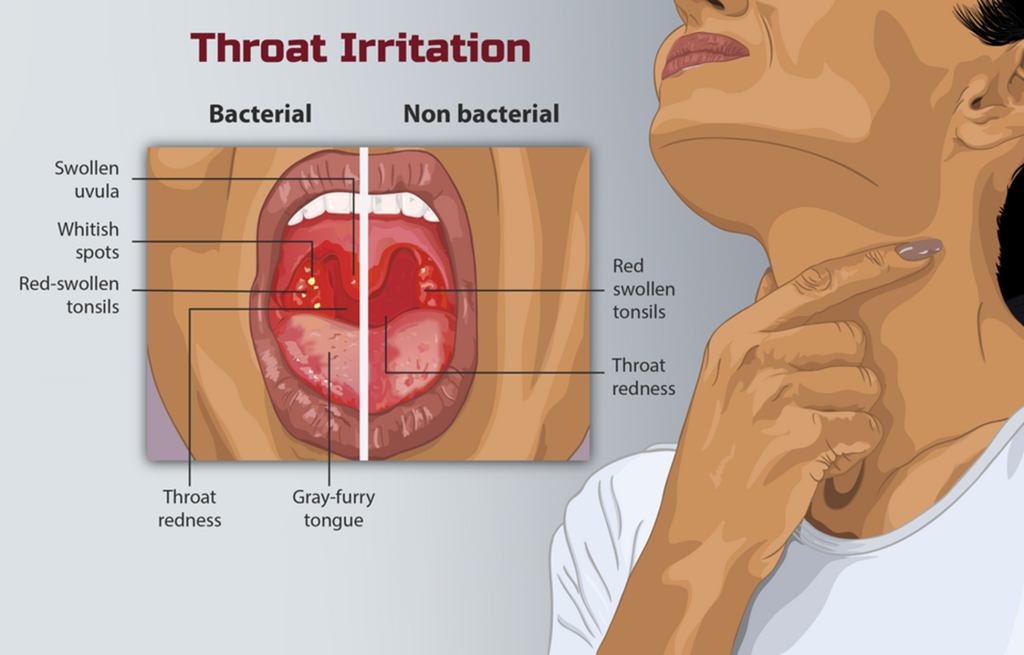
Figure 2. Depiction of a person who has an irritated throat. Source: https://www.myupchar.com/en | Wikimedia Commons.
While sore throat is not a universally common symptom with arboviral diseases, recent evidence shows that it is three times more likely in OROV infections than in DENV cases.
Like other arboviruses such as Zika and dengue, OROV can trigger a systemic inflammatory response. This may result in mild pharyngeal inflammation and a sore or irritated throat.
The underlying mechanisms are likely like those observed in dengue fever and may include:
- Mucosal inflammation (pharyngitis): DENV triggers widespread inflammatory response and in some patients, this includes pharyngeal (throat) mucosa. This can lead to pain or scratchiness in the throat, difficulty swallowing, and a dry or irritated feeling.
- Lymphoid tissue swelling: the lymph nodes in the neck can become swollen and tender due to immune cell activation. This swelling can contribute to throat discomfort and pressure especially when swallowing.
- Dehydration and mouth breathing: dengue often causes fever, vomiting, and diarrhea, which can lead to dehydration. A dry mouth and throat, often worsened by mouth breathing during fever, can cause or intensify a sore throat.
- Co-infections or misattributed symptoms: sore throat may also stem from viral coinfections (e.g., influenza), secondary bacterial infections (e.g., strep throat), and postnasal drip from rhinitis (which may be present due to immune reaction or environment).
Safe Over-the-Counter (OTC) Remedies for Sore Throat in Arboviral Infections

Figure 3. Health pills. Source: www.publicdomainpictures.net
There are currently no antiviral treatments for OROV or DENV, but several safe OTC products can relieve sore throat symptoms.
These options are especially important for symptomatic relief in patients recovering from viral infections:
- Acetaminophen (paracetamol) is used for managing fever and mild pain caused by dengue. Unlike NSAIDs, it does not increase bleeding risk. Avoid taking drugs like ibuprofen, aspirin, or naproxen as these NSAIDs increase bleeding risk in dengue patients and could potentially do the same or worse in under OROV. Brands include Tylenol®, Panadol®, Genexa® (clean-label option).
- Throat lozenges and sprays to soothe throat tissue, reduce inflammation, and numb the area temporarily. Brands include: Chloraseptic®, Cepacol®, Ricola®, and Zarbee’s® (natural option).
- Salt water gargle or sore throat rinses to reduce swelling and help clear mucous or mild infection. Brands include TheraBreath®, Betadine® gargle (povidone-iodine, antiviral properties). An alternative option is salt + baking soda rinses “agua con sal”.
- Herbal teas and natural soothers soothe inflamed mucosa and keep the throat hydrated. Brands include Traditional Medicinals®, Yogi®, Gaia Herbs®.
- Humidifiers or steam inhalers as they keep throat and nasal passages moist, especially during fever or in dry climates.
Why Does Abdominal Pain Happen?

Figure 4. Man suffering from abdominal pain. Source: Pexels.com
In dengue fever, abdominal pain is a well-established warning sign for progression to severe dengue, including dengue hemorrhagic fever (DHF). According to WHO guidelines, persistent abdominal pain should prompt immediate medical evaluation.
This pain typically occurs due to a combination of liver inflammation, fluid leakage into the abdomen, and gastrointestinal involvement:
- Plasma leakage and ascites: In severe dengue, vascular endothelial cells become dysfunctional due to the virus and immune response, leading to increased vascular permeability. This results in plasma leakage into the abdominal cavity (ascites), causing peritoneal irritation and pain. The discomfort is often diffuse and worsens as fluid accumulates in the abdominal space.
- Liver inflammation (Hepatitis): DENV commonly infects hepatocytes and Kupffer cells, leading to hepatomegaly and elevated liver enzymes (AST and ALT). This causes right upper quadrant abdominal pain, a clinical hallmark of liver inflammation in dengue. Severe hepatic involvement may also contribute to metabolic disturbances and coagulopathy.
- Gastritis and drug-induced mucosal irritation: Many dengue patients develop epigastric pain, nausea, and vomiting, which may be due to gastritis, caused either by the virus itself or NSAID use during the febrile phase. This contributes to upper abdominal pain and discomfort, often accompanied by anorexia and dehydration (WHO, 2009).
Safe OTC Medications for Abdominal Pain in Arboviral Infections

Figure 5. Medicine pills. Source: pixnio.com
Because there are currently no antiviral treatments for either dengue or Oropouche virus, symptom management is critical.
The following evidence-based OTC options can help relieve abdominal pain without increasing the risk of complications:
- Acetaminophen (paracetamol) for managing fever and mild pain caused by dengue. Unlike NSAIDs, it doesn’t increase bleeding risk. Avoid taking drugs like ibuprofen, aspirin, or naproxen as these NSAIDs increase bleeding risk in dengue patients and could potentially do the same or worse in under OROV. Brands include Tylenol®, Panadol®, Genexa® (clean-label option).
- Oral rehydration salts (ORS) to prevent dehydration caused by viral-induced vomiting, diarhhea, and plasma leakage. Brands include DripDrop®, Ceralyte®, WHO Formula ORS. Alternative options include electrolyte drinks with low sugar ( i.e., Liquid I.V.).
- Antiemetics (Anti-Nausea) for treating common symptoms and keeping fluids down. OTC options include Emetrol®, Sea-Bands®, ginger chews, peppermint oil.
Summary: Recognizing and Relieving Key OROV Symptoms Matters
- As Oropouche virus (OROV) spreads in Latin America, distinguishing it from dengue (DENV) is crucial, especially during overlapping outbreaks.
- Fever and headaches occur in both, but sore throat and abdominal pain are more common in OROV and can help frontline providers spot it early.
- Knowing the causes of OROV symptoms (i.e., inflammation, liver stress, and plasma leakage) helps improve treatment.
- While no antiviral exists, safe OTC options can provide effective relief. Acetaminophen, throat lozenges, oral rehydration salts, and anti-nausea remedies relieve symptoms safely without the bleeding risks of NSAIDs in arboviral infections.
- Staying informed about these key differences helps clinicians, travelers, and residents in endemic areas improve diagnosis, care, and outbreak response.