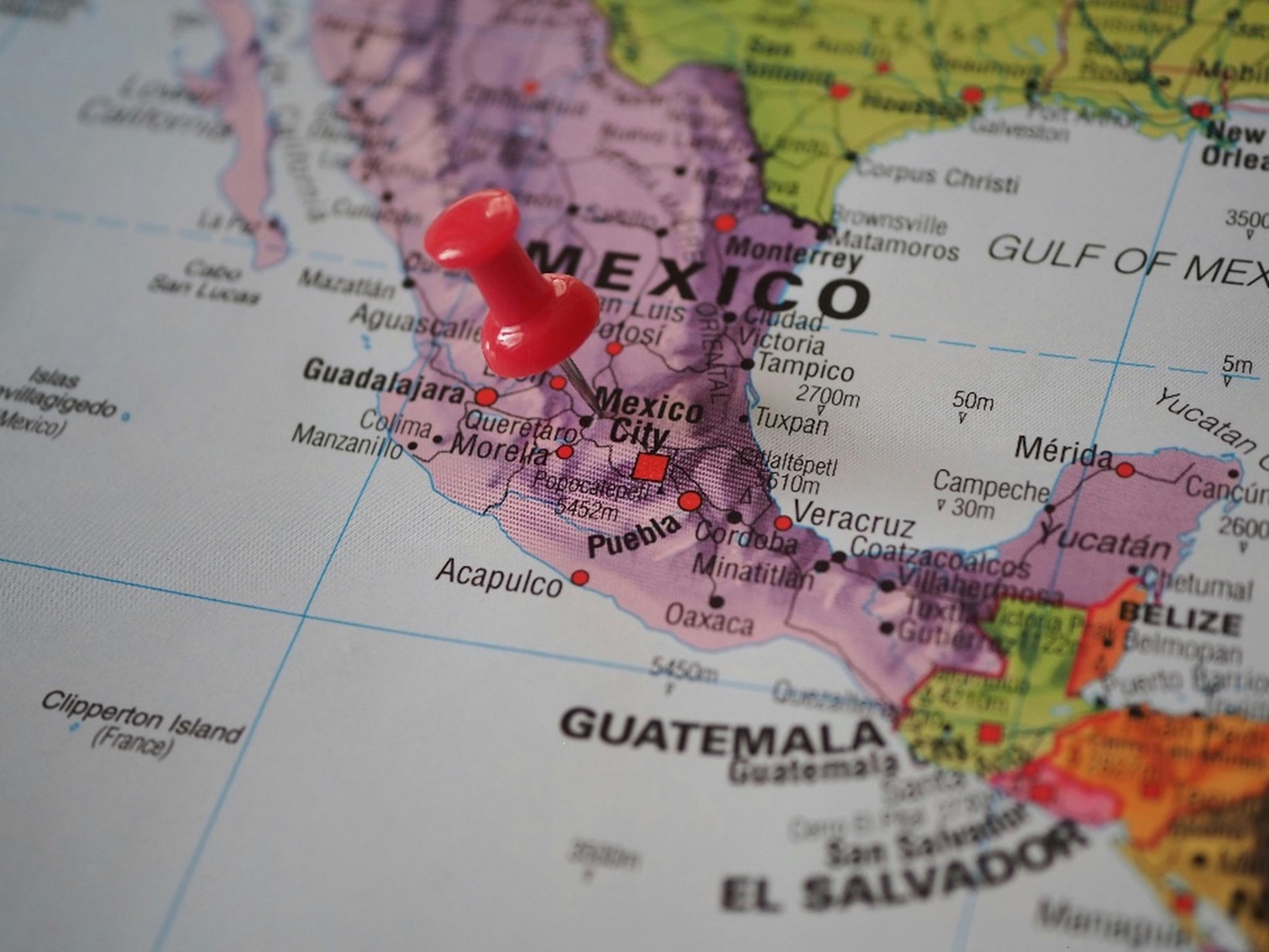
Dengue in Mexico: Why Cases Are Spiking and Who’s Most at Risk
Mexico faces a growing dengue epidemic in 2025. Learn which virus strains, regions, and risk factors are driving severe cases and hospital deaths.
Despite rising dengue outbreaks, many Latin American countries struggle with fragmented mosquito surveillance, limited diagnostics, and underfunded public health systems. Without stronger surveillance and investment, the true scale of dengue transmission remains hidden, delaying effective responses.
Figure 1. CDC Gravid Trap for mosquito surveillance and pathogen testing. Source: NIAID, Flickr. In 2024, Latin America and the Caribbean faced the worst dengue outbreak in recorded history, with over 12.6 million suspected cases and more than 7,700 deaths, according to a recent Reuters report. The crisis has escalated into a major public health…
Figure 1. Hispanic heritage photo. Source: itoldya420.getarchive.net Helicobacter pylori (H. pylori) is a bacterium that can survive in the stomach’s acidic environment. Although many people with H. pylori show no symptoms, it is a known cause of chronic gastritis. More importantly, H. pylori infection is a significant risk factor for gastric cancer. Globally, H. pylori…
Colombia continues to be one of the countries most impacted by dengue fever in Latin America. A recent study by Jaramillo-Ramirez et al. published in Scientific Reports, sheds new light on how community knowledge, attitudes, and environmental conditions shape the spread of this mosquito-borne disease. Conducted in Restrepo, Meta (a dengue-endemic municipality) the research reveals…
In 2024, Colombia faced its worst dengue outbreak in history—reporting over 290,000 cases and ranking among the top five globally. Driven by climate change, rapid urbanization, and virus diversity, the surge exposed deep public health challenges. But innovative strategies, like deploying Wolbachia-infected mosquitoes in Cali, are offering new hope for sustainable dengue control in Latin America.
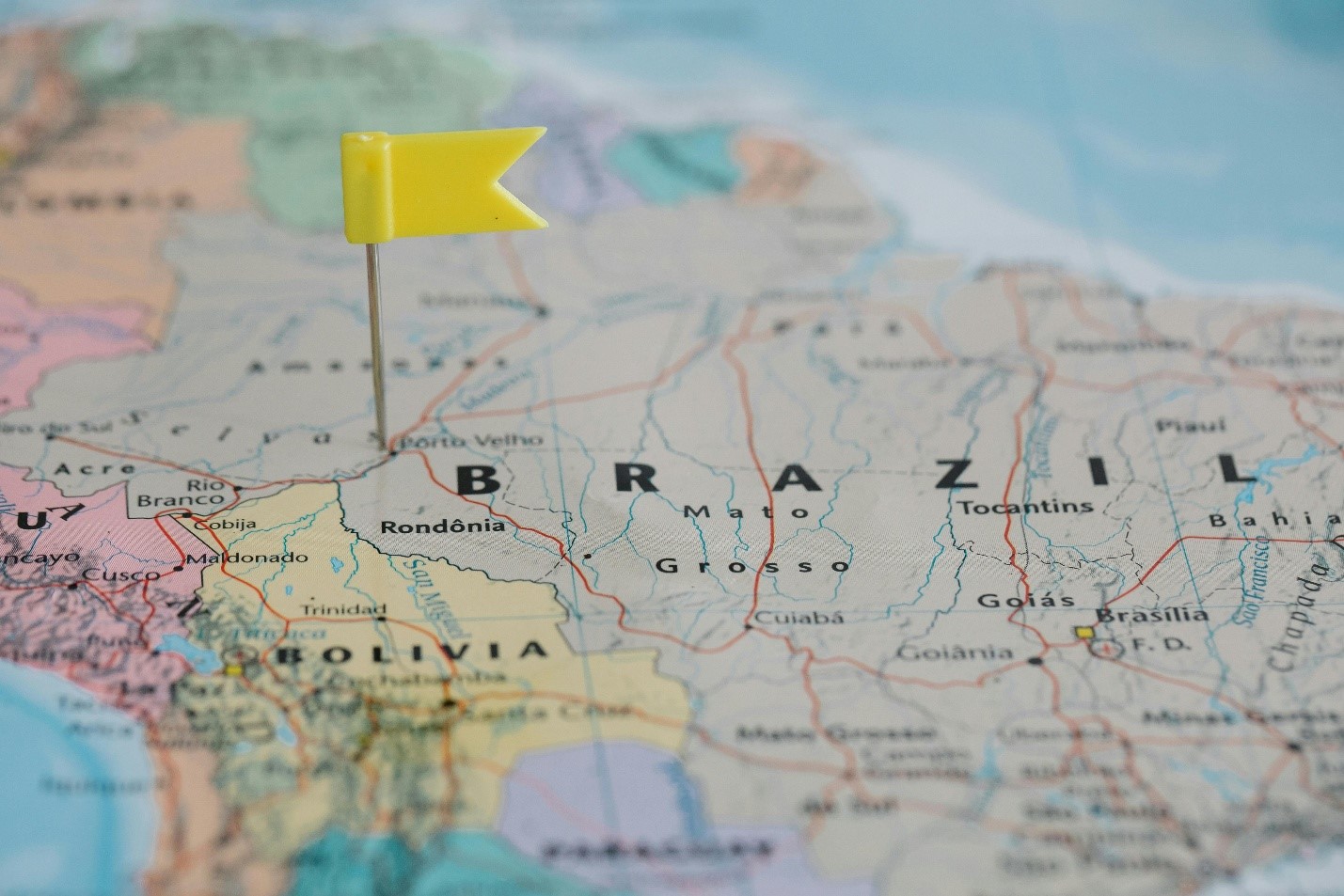
Artificial intelligence is transforming mosquito control in Brazil by enhancing biological strategies like Wolbachia deployment, predator analysis, and drone-assisted hotspot detection. As shown in research by Beraldo et al., integrating AI with nature-based methods offers a smarter, more sustainable path to dengue prevention, reducing reliance on pesticides while empowering communities.
Figure 1. Aedes aegypti, the yellow fever mosquito. Picture taken by Muhammad Mahdi Karim from Wikipedia. Dengue fever remains a persistent global health threat, especially in tropical regions like Latin America. Despite political instability and recent reduced federal funding for infectious disease research dengue virus continues to spread, with mosquito breeding and incidence rates showing…
Dengue is exploding across Latin America, with over 12 million cases and 1,000+ deaths reported in 2024 alone. What’s driving this surge? From invasive mosquito species and fast-evolving viruses to vaccine gaps and climate extremes, the region is facing a perfect storm of risk. In this post, we break down five key factors fueling the spike, and what it means for the future of public health in Latin America.
Helicobacter pylori infection disproportionately affects Latinos in the U.S. and Latin America, increasing the risk of gastritis and stomach cancer.
Here, I talk about a recent scientific paper showing that there is a difference in H. pylori seroprevalence, or frequency of infection, based on Hispanic/Latino cultural background and multiple factors associate with the disease.
AI is creeping into our lives, including medical research and provider care. But, what do Hispanics think of using AI in health and medicine?