
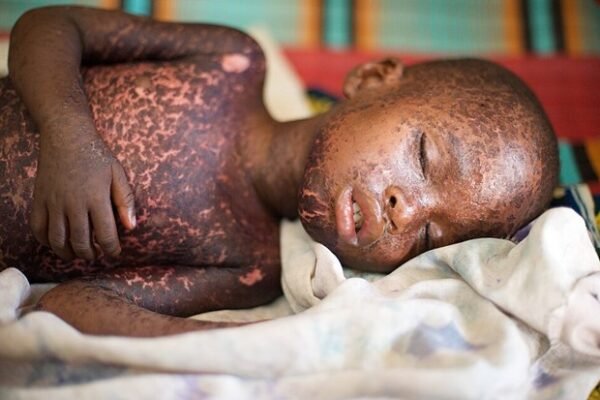
Why Measles Cases Are Rising Across Latin America in 2026
Measles cases are rising across Latin America in 2026 as vaccination rates decline. Learn how misinformation, migration, and health system challenges are fueling outbreaks.
Measles cases are rising across Latin America in 2026 as vaccination rates decline. Learn how misinformation, migration, and health system challenges are fueling outbreaks.
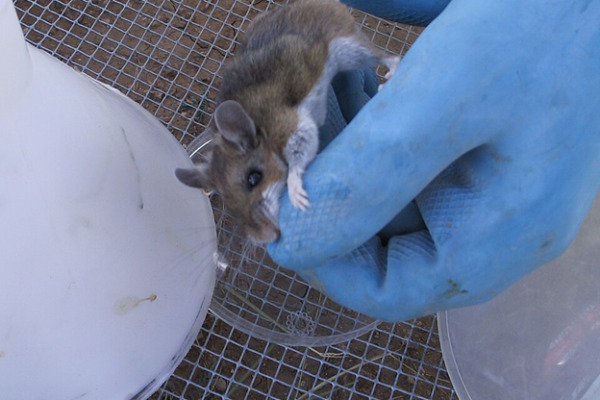
A rare Andes hantavirus outbreak aboard a cruise ship has drawn global attention after multiple deaths and confirmed human-to-human transmission. Here is what the outbreak means for public health, travel, and Latin America.
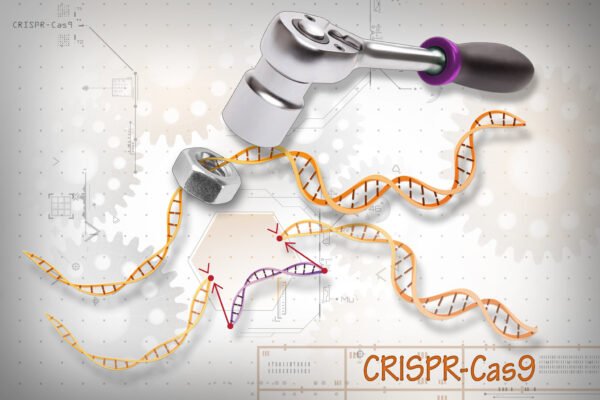
CRISPR diagnostics aren’t replacing Polymerase Chain Reaction yet—but they’re redefining what rapid virus detection can look like. As CRISPR tools advance and gain approval, they are poised to bring faster, more accessible testing closer to the communities that need it most.
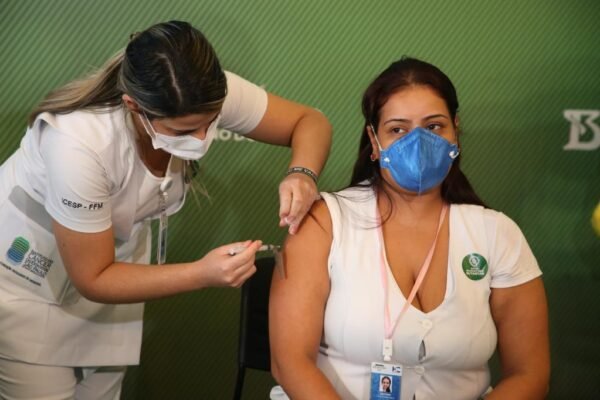
Latin America faces rising dengue cases driven by climate and vector spread. This article explores available vaccines and their uneven distribution across the region.

Helicobacter pylori can survive beyond the human stomach by entering a dormant state and forming protective biofilms in water systems. This hidden persistence raises new concerns for drinking water safety and disease transmission in Latin America.
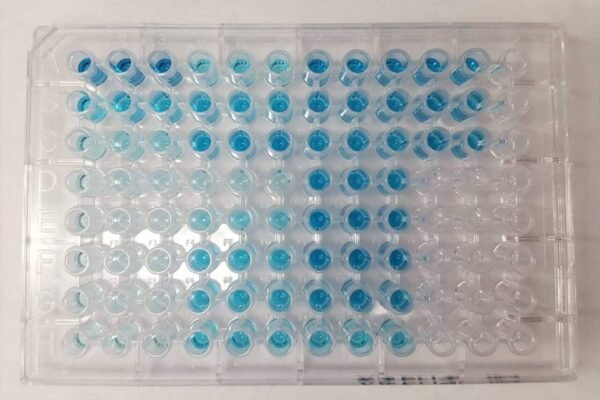
ELISA is a widely used diagnostic tool that detects antibodies or antigens in blood, helping identify infections and track disease spread. By enabling large-scale testing, it plays a critical role in public health surveillance and outbreak response, especially in regions like Latin America.
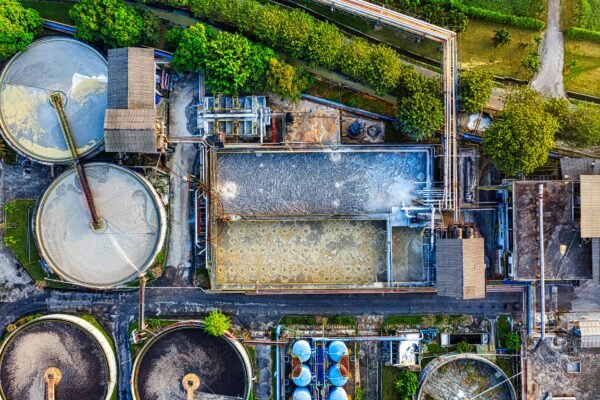
Is your drinking water safe? Antibiotic-resistant H. pylori may spread through tap water via wastewater contamination and biofilms, posing an overlooked health risk.
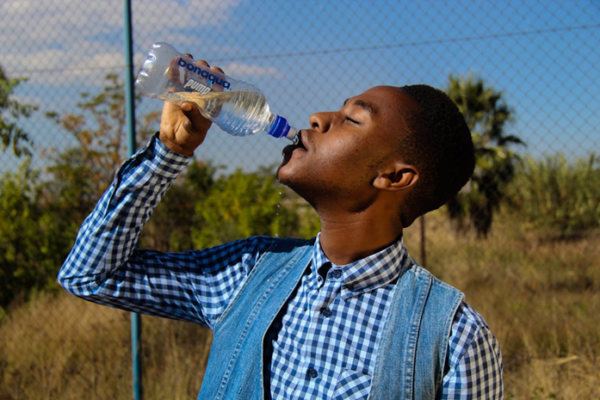
Antibiotic-resistant H. pylori has been detected in Peru’s drinking water, raising concerns that water systems may act as hidden reservoirs for infection and antimicrobial resistance.
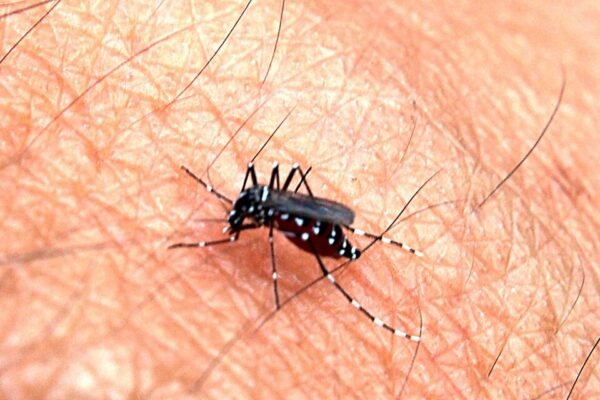
Source: John Ragai from Petaling Jaya, Malaysia via Wikimedia Commons. Highlights • Climate and rainfall patterns predict arbovirus outbreak hotspots• Warmer temperatures accelerate mosquito infection and virus transmission• Environmental data can enable earlier outbreak warnings As Brazil prepares to hold major power and oil auctions in 2026, the country is once again confronting a familiar challenge: how…
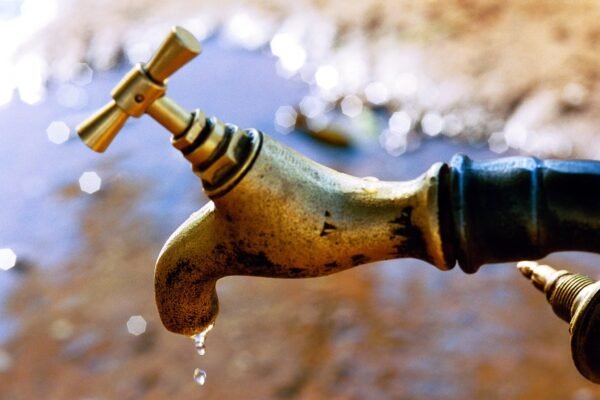
Could Helicobacter pylori be hiding in tap water? A recent study from central Peru detected the bacterium in household tap water and faucet biofilms, particularly where chlorine levels were low. The findings suggest drinking-water systems themselves may serve as environmental reservoirs for this cancer-linked pathogen.
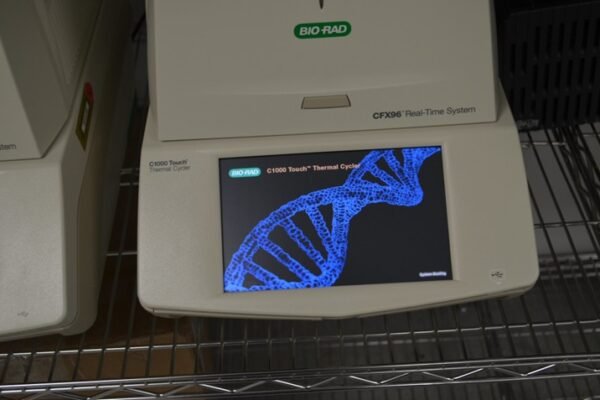
Quantifying viral infection begins at the molecular level. In laboratories around the world, scientists use quantitative PCR (qPCR) to detect tiny amounts of viral genetic material and estimate viral load. This powerful technology allows researchers and clinicians to measure infection in real time and guide both diagnostics and outbreak response.

Brazil’s Zika and chikungunya outbreaks are shaped by more than climate. Spatial analysis shows urban density, poor sanitation, and inequality significantly increase cluster risk. Even after adjusting for geography, socioeconomic conditions remain core drivers, linking arbovirus transmission directly to infrastructure and development gaps.