

Can H. pylori Enter Your Tap Water? How It Spreads
Is your drinking water safe? Antibiotic-resistant H. pylori may spread through tap water via wastewater contamination and biofilms, posing an overlooked health risk.
Is your drinking water safe? Antibiotic-resistant H. pylori may spread through tap water via wastewater contamination and biofilms, posing an overlooked health risk.

Quantifying viral infection begins at the molecular level. In laboratories around the world, scientists use quantitative PCR (qPCR) to detect tiny amounts of viral genetic material and estimate viral load. This powerful technology allows researchers and clinicians to measure infection in real time and guide both diagnostics and outbreak response.
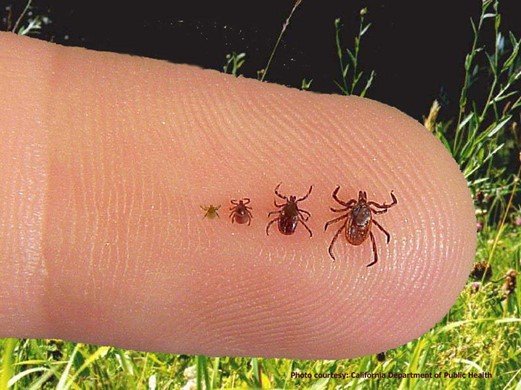
Natural insect repellents are increasingly popular across Latin America, but most offer little real protection. A 2023 study tested plant-based ingredients against mosquitoes and ticks and found that only a few—cinnamon oil, clove oil, and geraniol—provided meaningful, multi-vector repellency. This blog breaks down which natural repellents actually work and what that means for real-world disease prevention.

Natural repellents are widely used across Latin America, but most fail to prevent mosquito bites. New evidence shows only a small number of plant-based ingredients provide real, short-term protection—highlighting the risks of relying on ineffective products.

An 18-year pediatric cohort study from Nicaragua shows that dengue, chikungunya, and Zika symptoms change with age and over the first 10 days of illness. Fever patterns, rashes, and blood markers evolve differently across childhood, revealing diagnostic clues that static symptom checklists often miss. Tracking symptom trajectories over time leads to more accurate differentiation of these infections.
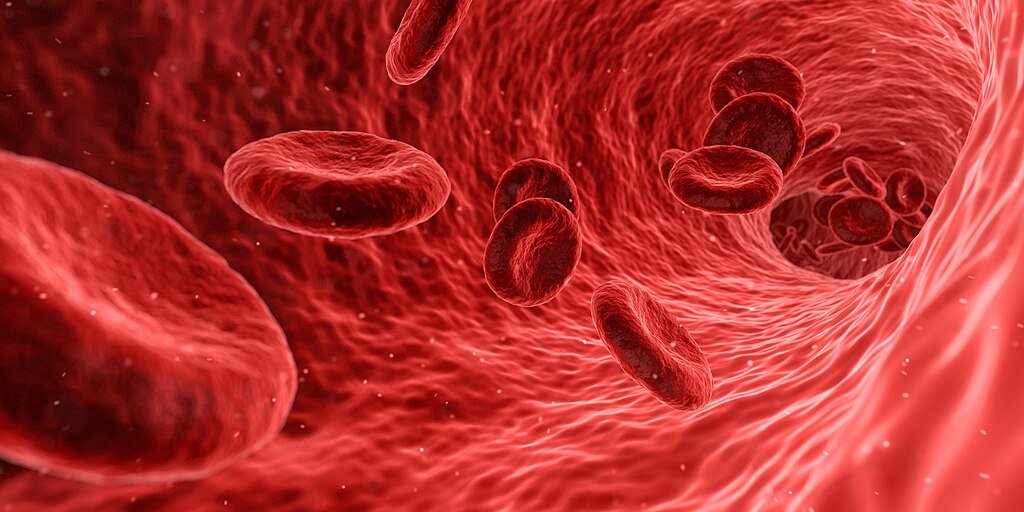
Dengue is not a single disease with a single outcome. While most infections cause a self-limited fever, severe dengue follows a different and far more dangerous path. This article explains the critical differences between dengue fever and dengue hemorrhagic fever, why the highest risk often appears when fever breaks, and how recognizing plasma leakage can save lives.
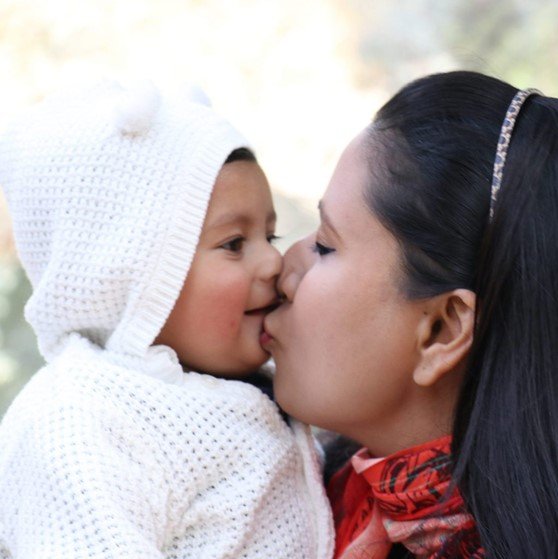
Affecting millions worldwide and hitting Hispanic and Latino communities hardest, this silent infection spreads easily in close living conditions. Knowing how H. pylori spreads is crucial to preventing infection and protecting your family.
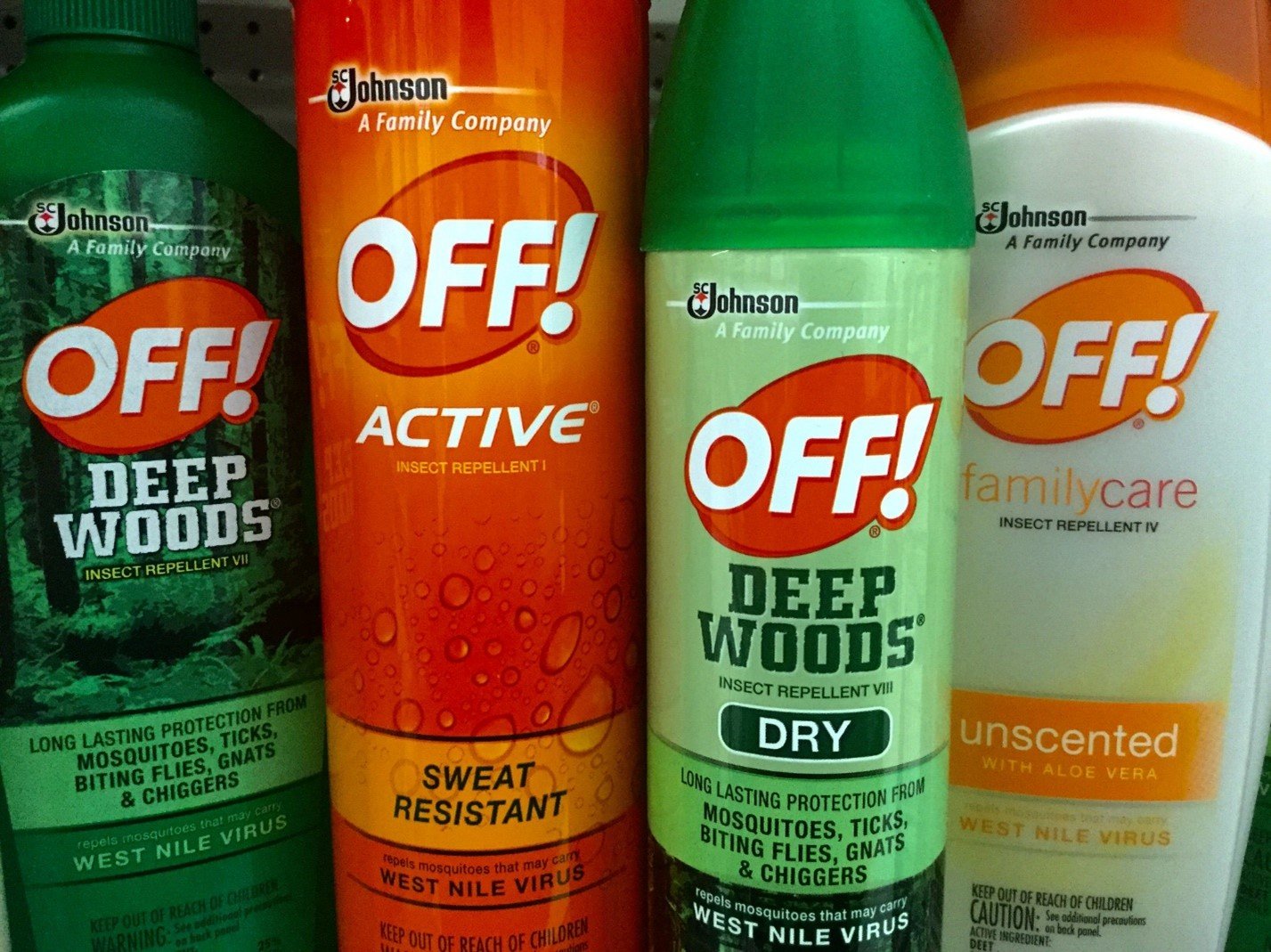
Women in Latin America may face a higher risk of severe dengue due to biological, social, and behavioral factors. From pregnancy complications to increased mosquito exposure at home, the dangers are real. This post explores why women need extra protection, and the top three steps they can take to stay safe during dengue outbreaks.