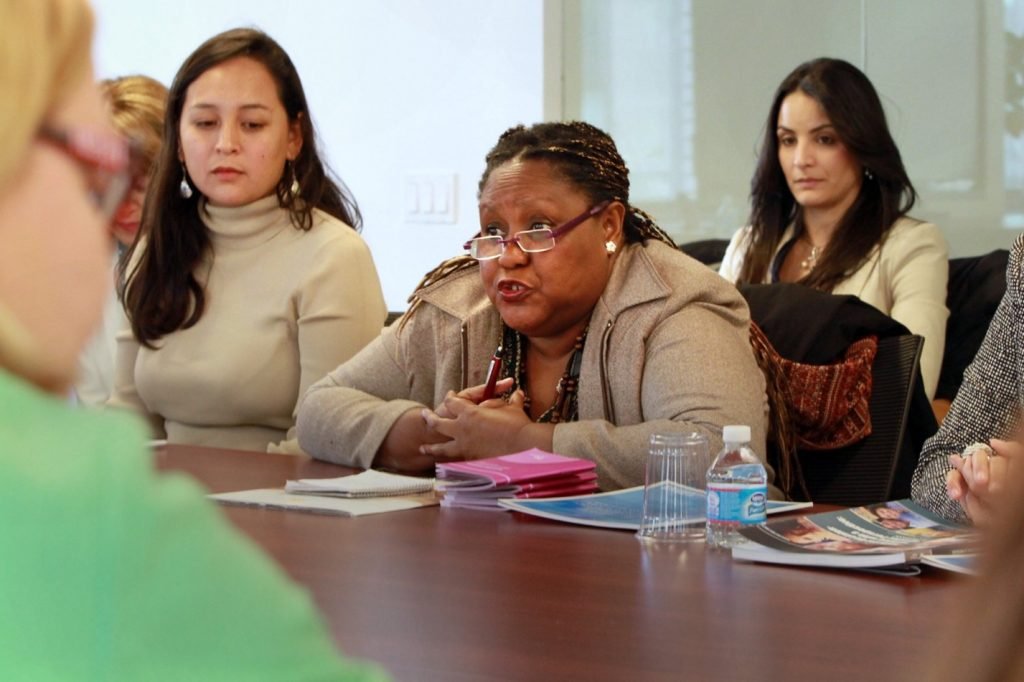
Figure 1. UN Women Executive Director meets with Latin American and Caribbean ministers and government representatives. Source: Un Women via Flickr.
Latin American women are breaking barriers in politics, science, business, and activism. Yet, they face greater risks when it comes to severe dengue.
Leaders like Claudia Sheinbaum, Mexico’s first female president, and Epsy Campbell Barr, Costa Rica’s first Afro-Latina vice president, mark historic political milestones. In science, Dr. Julieta Fierro of Mexico has advanced astrophysics, while actress-entrepreneur Sofía Vergara has built a global business empire.
Meanwhile, dengue fever remains a severe public health crisis in Latin America, with over 13 million cases reported in 2024 alone.
While dengue affects all populations, new data suggests that women, especially pregnant women, may be more vulnerable to severe dengue complications.
Table of Contents
A Closer Look at Sex-Based Differences in Dengue Severity
Emerging epidemiological evidence shows that women in Latin America are more likely than men to develop severe dengue, including dengue hemorrhagic fever and dengue with warning signs.
The 2013 study by Teixeira et al., published in PLOS Neglected Tropical Diseases, systematically reviewed dengue epidemiology in Brazil between 2000 and 2010 using databases like PubMed, SciELO, and LILACS.
The findings of 51 out of 714 relevant citations fulfilling their inclusion criteria revealed a notable increase in dengue incidence. This was particularly in Brazil’s Southeast and Northeast regions, occurring in cyclical outbreaks every 3 to 5 years.
A slightly higher number of women were affected by dengue than men, especially in the reproductive age group. Women with dengue were also slightly older on average (33.7 years vs. 30.2 years).
Not Only Dengue, But Also Zika and Chikungunya
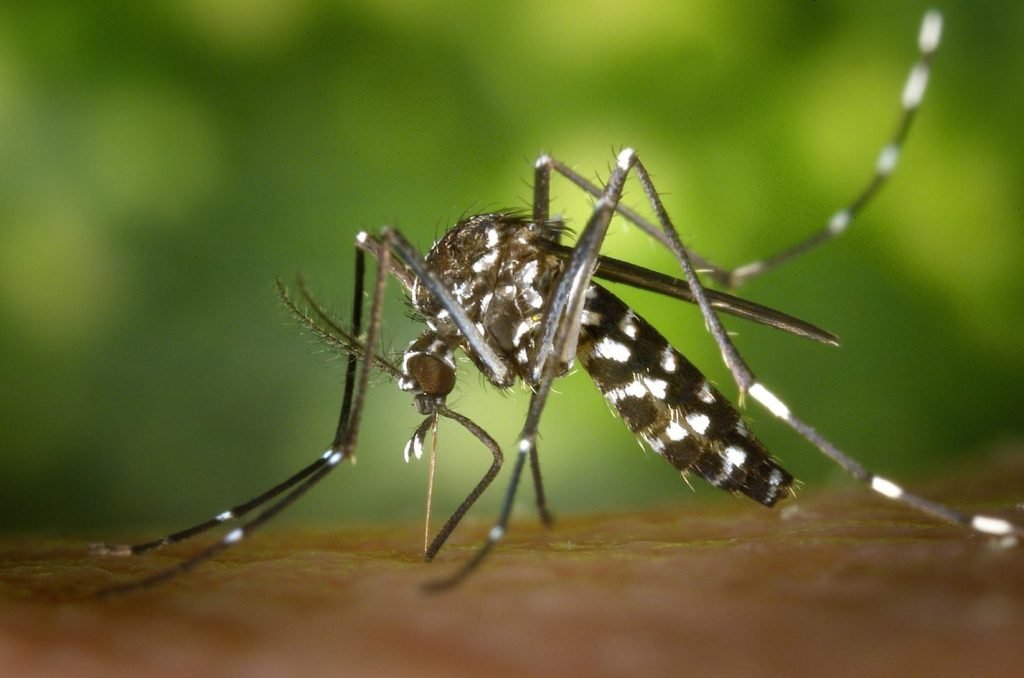
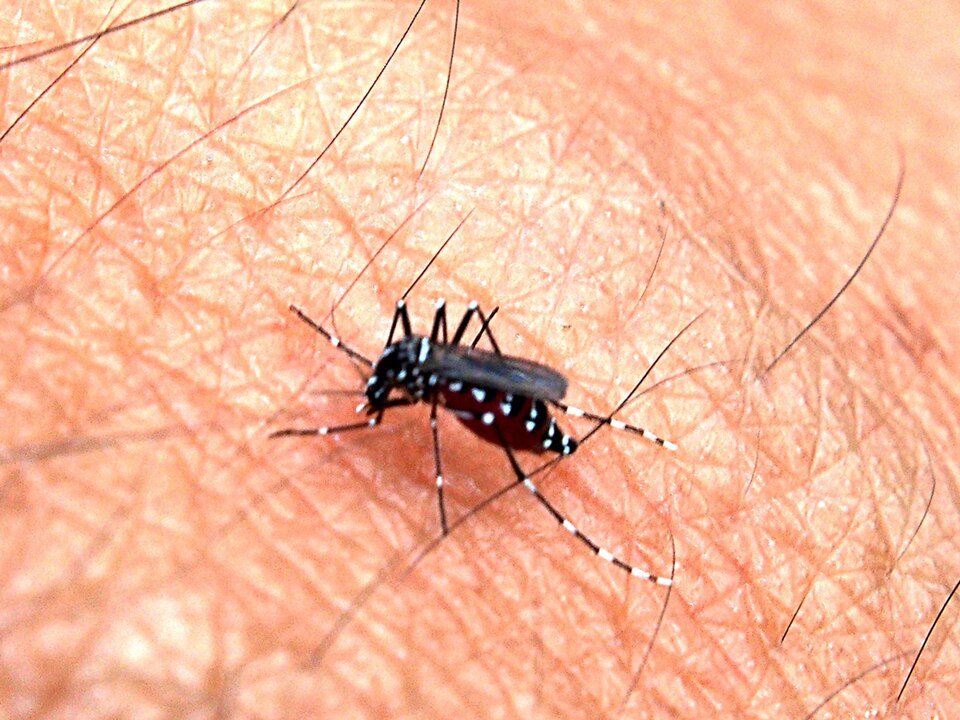
Figure 2. Aedes aegypti mosquito. Source: Pixabay via Pexels.
Not only dengue, but other arboviruses like chikungunya and Zika virus, disproportionately affect women in Brazil and across Latin America.
A recent 2025 study by Sena et al., published in Revista de Saúde Pública, analyzed sex-disaggregated public health data to examine the gender-specific impact of dengue, Zika, and chikungunya infections.
Using Brazil’s national surveillance system (SINAN), the researchers compared infection rates, hospitalizations, and adverse outcomes between men and women.
The study found that women consistently represented a higher percentage of reported arboviral cases, especially during peak outbreak periods.
This disparity was most evident in Zika virus infections, where women of reproductive age were significantly more affected, largely due to the virus’s link to pregnancy complications such as congenital Zika syndrome (CZS).
Multiple Factors Can Influence This Disparity
The observed gender disparity in dengue severity is influenced by a complex mix of biological, social, and behavioral factors.
Biological Factors

Figure 3. A photograph of two brands of oestrogen (estradiol) pills. Source: Hannah Emily M via Wikimedia Commons.
Emerging research suggests that hormonal differences, particularly the role of estrogen, may modulate the immune system’s response to dengue virus (DENV). This could potentially make women more susceptible to severe forms of the disease.
The recent 2025 review by Wei et al. published in Frontiers in Immunology highlights how estrogen shapes immune responses to viral infections through estrogen receptors (ERα and ERβ).
Estrogen can enhance antiviral defenses in infections like HIV by regulating cytokines, interferons, and macrophage activity. However, in viruses like HPV and hepatitis E, estrogen may worsen outcomes or promote viral persistence.
The review emphasizes estrogen’s dual role, protective in some cases, harmful in others, depending on dose, timing, and infection type.
These findings underscore the need to explore hormone-based therapies, including estrogen modulators, as potential tools for managing viral infections in women.
Social and behavioral factors

Figure 4. Woman taking care of the garden. Source: Cade Martin via Pixnio.
Gendered social roles and environmental exposure play a pivotal role.
In many Latin American households, women are primarily responsible for domestic tasks such as water storage and home maintenance.
These activities increase exposure to Aedes aegypti, the mosquito species responsible for dengue transmission.
Women are also more likely to seek healthcare early, which may lead to a higher diagnosis rate of severe dengue cases.
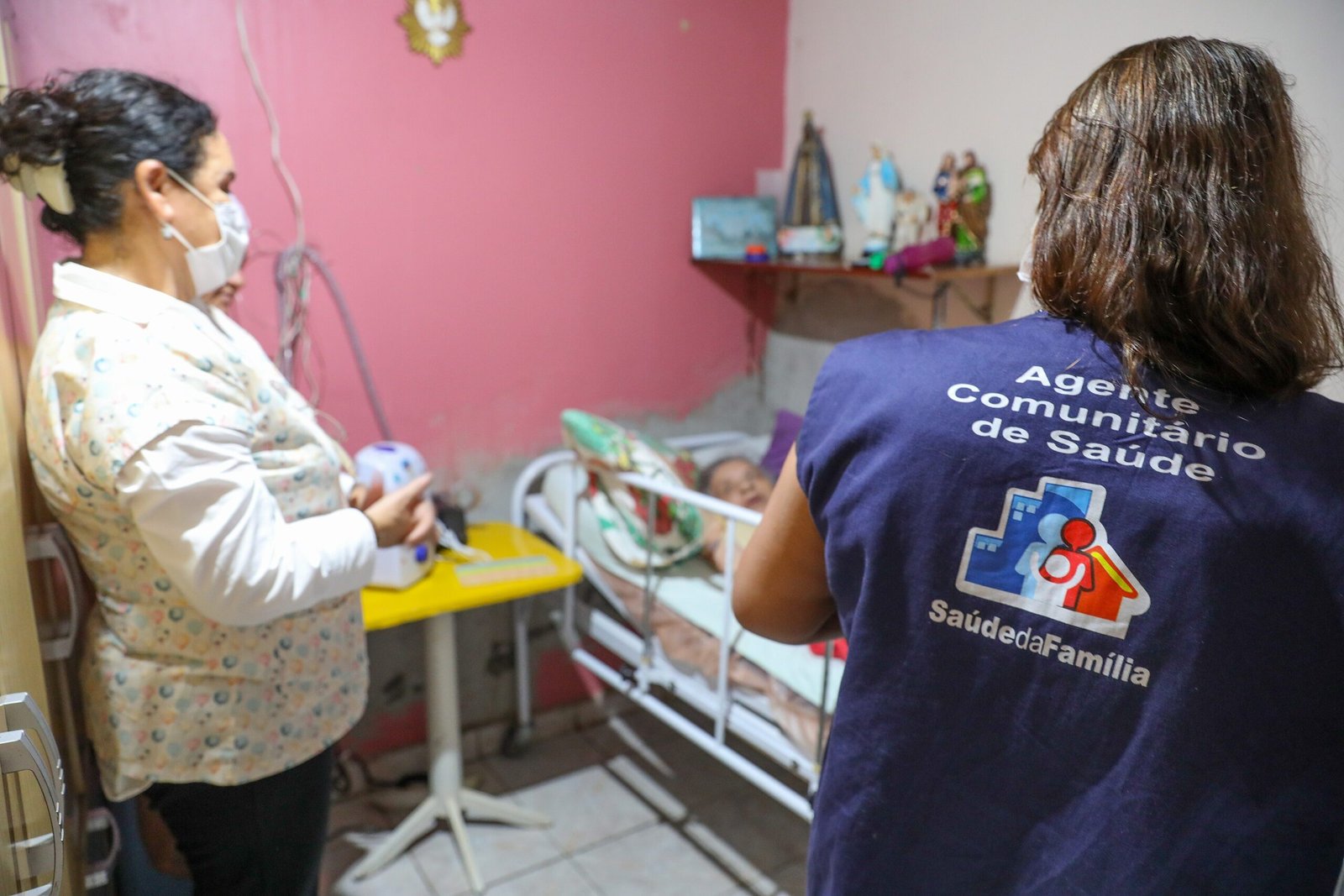
Researchers in our previously described studies suggest that sociocultural and occupational factors, like women’s roles as caregivers, healthcare workers, and community health agents, may increase both exposure risk and reporting.
Conclusion: Why Gender Equity Matters in Dengue Control

Figure 5. Women’s Right March in Mexico City. Source: Sury Onaly via Pexels.
These findings stress the need for gender-responsive public health policies. These include better surveillance, reproductive care, and vector control tailored to women in arbovirus-endemic areas.
As dengue cases surge across Latin America, understanding the unique vulnerabilities faced by women is critical to preventing severe outcomes and saving lives.
A one-size-fits-all approach to dengue surveillance, treatment, or prevention risks overlooking the social, biological, and behavioral factors that disproportionately affect women.
By integrating gender-responsive strategies into vector control, vaccination, and healthcare access, Latin America can move toward a more equitable and effective public health response.
To reduce the growing burden of severe dengue in women, public health strategies must adopt a gender-sensitive approach across all levels of disease control. Key actions include:
- Educating women about dengue risks during pregnancy, including risks of hemorrhage, preterm birth, and neonatal dengue
- Empowering women in community-based mosquito control programs, especially in high-risk areas
- Expanding access to dengue vaccines, such as Qdenga, in endemic and high-incidence regions
- Supporting research on sex-specific immune responses to arboviral infections like dengue, Zika, and chikungunya