Pathogenos

Science, Microbes, and Latinos

StephanieLQ

Limiting Warming to 1.5°C Could Prevent Millions of Dengue Cases

Climate change is accelerating dengue risk across Latin America, with new high-resolution models showing that global warming could add millions of infections in the coming decades. Research from Colón-González et al. reveals that limiting warming to 1.5 °C dramatically reduces future dengue cases, shortens transmission seasons, and offers major public health benefits for Brazil, Colombia, Mexico, and other vulnerable regions.

Brazil’s DENV-3 Comeback Hits Women, Children, and Indigenous Groups Hardest

Brazil is facing a major dengue surge in 2024, driven by the reemergence of the DENV-3 serotype after 15 years. New surveillance data reveal nearly 2 million suspected cases in just three months, with women, children, and Indigenous people disproportionately affected. As climate pressures, social inequality, and low immunity collide, Brazil now accounts for much of Latin America’s rising dengue burden, highlighting urgent gaps in vaccination, mosquito control, and equitable healthcare access.

Inside the Aedes Mosquito: Which Arbovirus Wins the Battle for Your Blood?

Aedes aegypti mosquitoes transmit dengue, Zika, and chikungunya, but chikungunya dominates infection rates in Mérida, Yucatán. This study highlights how mosquito density influences transmission and why accurate surveillance is critical for preventing outbreaks.

Artificial Light at Night Raises Your Risk of Dengue, Zika, and Chikungunya

Artificial light at night (ALAN) is more than an environmental nuisance, it’s a growing public health risk. A new study reveals that brief exposure to nighttime light can double the biting rate of Aedes aegypti mosquitoes, heightening the risk of dengue, Zika, and chikungunya transmission across Latin America’s rapidly urbanizing regions. As cities grow brighter, so does the hidden danger buzzing in the dark.

Aedes Mosquitoes: The Global Threat Behind Dengue, Zika, and Chikungunya

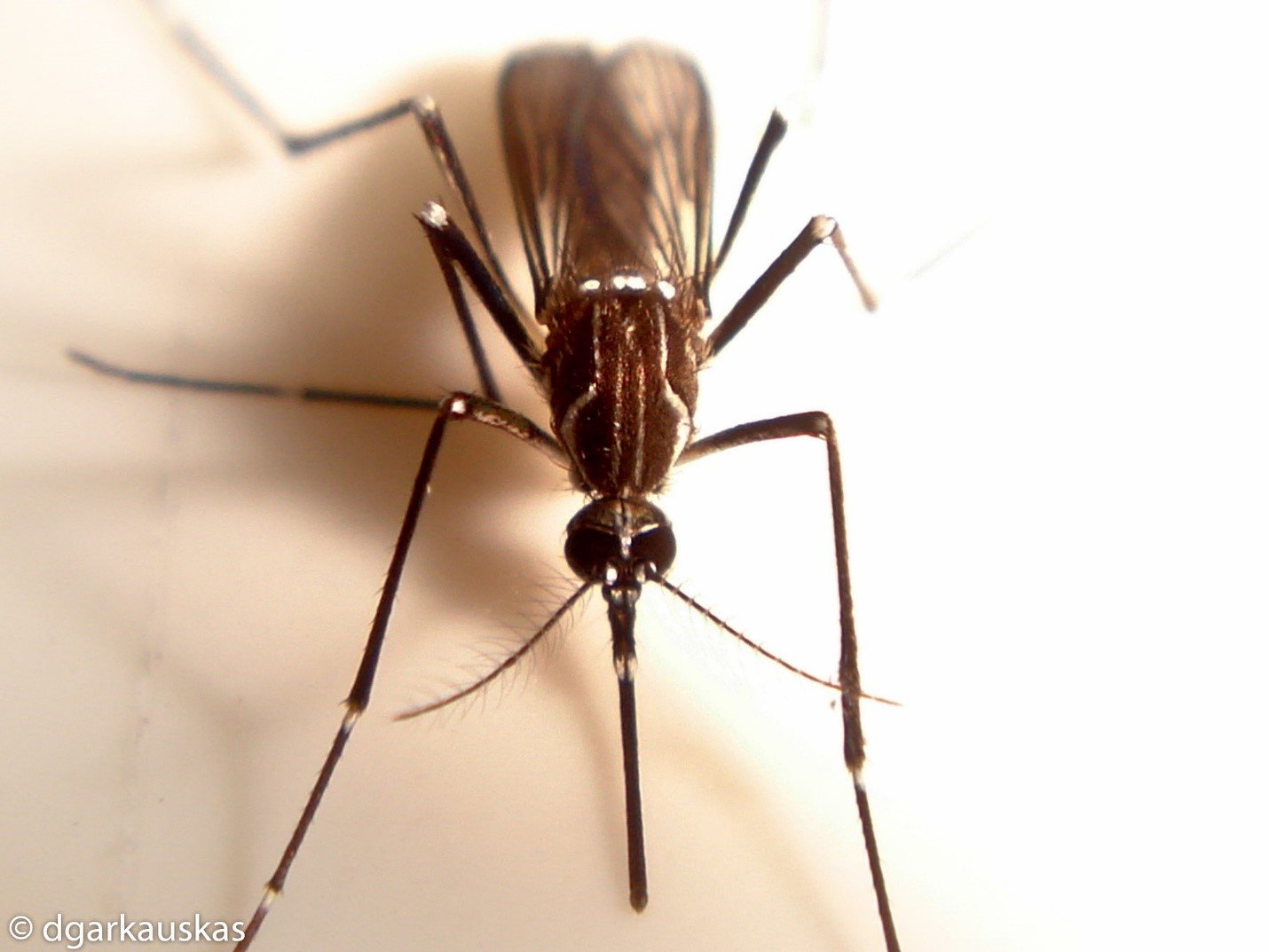
Aedes aegypti and Aedes albopictus mosquitoes are key vectors behind dengue, Zika, and chikungunya. Discover how their feeding habits, infection rates, and adaptability fuel global arbovirus outbreaks.

Global Study Finds High H. pylori Rates in Children

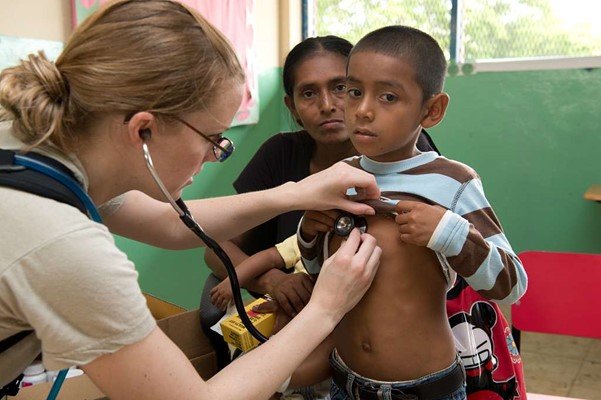
A groundbreaking 2024 Gastroenterology study reveals that Helicobacter pylori infection remains alarmingly high among children worldwide, especially in Latin America. Despite progress in adults, roughly one in three children still carries this cancer-linked bacterium. Learn why early childhood infection matters, how it fuels future gastric cancer risk, and what public-health strategies could help protect the next generation.

Dengue Fever Symptoms and Safe OTC Remedies Explained

Uncover how dengue virus triggers fever, pain, and rash. Learn key dengue fever symptoms and safe over-the-counter treatments.

How Type I Interferons Protect Latinos from Dangerous Viruses

Discover how Type I interferons power the body’s natural defense against dengue and other viruses, shaping Latino immunity and future therapies.

Ibuprofen vs. Fever: How Latin America Stays Cool

Fever is one of the body’s natural defenses against infection, but it can also cause fatigue, discomfort, and dehydration, especially during viral illnesses like dengue. Ibuprofen, one of the most trusted over-the-counter medications in Latin America, helps reduce fever and inflammation by blocking prostaglandins and resetting the body’s thermostat. Learn how this essential drug works and how to use it safely.

Puerto Ricans and Mexicans Face Greater Risk of Liver Disease from H. pylori

New research shows that H. pylori, a common stomach infection, may raise the risk of fatty liver disease in Hispanics, especially Puerto Rican and Mexican adults. With nearly half of participants affected, the study highlights the need for early screening and awareness in Latino communities already burdened by obesity and diabetes.

The Silent Threat of H. pylori in Hispanic Health

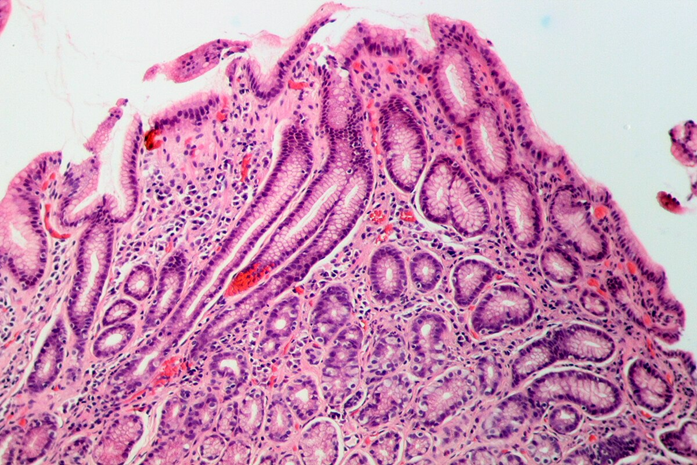
Helicobacter pylori (H. pylori) is more than just a stomach infection, it’s a hidden threat with serious consequences for Hispanic health. Beyond ulcers and gastritis, research shows links to gastric cancer, liver disease, and even metabolic disorders. Because Hispanic populations face higher infection rates, awareness, early detection, and treatment are critical in reducing long-term risks and improving overall health.

High Antibiotic Resistance Threatens H. pylori Treatment in Latin America

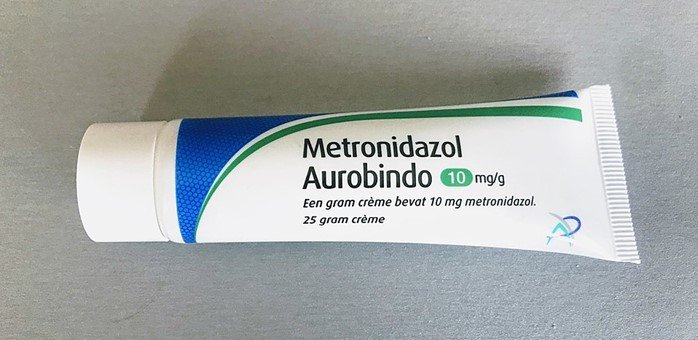
Rising antibiotic resistance is undermining H. pylori treatment in Latin America, with high resistance to metronidazole (53%) and clarithromycin (12%). Experts urge regional surveillance and recommend switching to regimens with lower resistance, like amoxicillin or tetracycline.