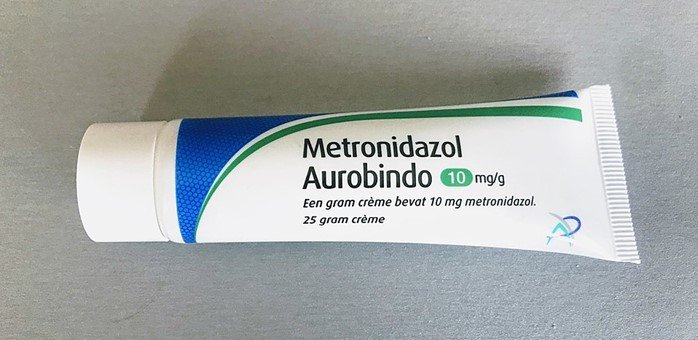
Metronidazole vs. H. pylori: How It Works—and Fails
Metronidazole remains a first-line therapy for Helicobacter pylori in Latin America, despite widespread resistance. Because the drug requires intracellular activation to damage bacterial DNA, even small disruptions in bacterial metabolism can render it ineffective, driving treatment failure, persistent infection, and preventable disease.
Metronidazole Is Failing H. pylori Treatment in Latin America
Metronidazole is rapidly failing as a first-line Helicobacter pylori treatment in Latin America. High resistance rates in Colombia, Peru, and Brazil exceed safe empiric thresholds, driving treatment failure, persistent infection, and increased gastric cancer risk.
Multidrug-Resistant H. pylori in Gastric Cancer Patients from Colombia
Genetic mutations drive widespread multidrug resistance in Helicobacter pylori strains from Colombia, limiting the effectiveness of standard treatments and underscoring the need for precision-based therapy.
Global Study Finds High H. pylori Rates in Children
A groundbreaking 2024 Gastroenterology study reveals that Helicobacter pylori infection remains alarmingly high among children worldwide, especially in Latin America. Despite progress in adults, roughly one in three children still carries this cancer-linked bacterium. Learn why early childhood infection matters, how it fuels future gastric cancer risk, and what public-health strategies could help protect the next generation.
Puerto Ricans and Mexicans Face Greater Risk of Liver Disease from H. pylori
New research shows that H. pylori, a common stomach infection, may raise the risk of fatty liver disease in Hispanics, especially Puerto Rican and Mexican adults. With nearly half of participants affected, the study highlights the need for early screening and awareness in Latino communities already burdened by obesity and diabetes.
The Silent Threat of H. pylori in Hispanic Health
Helicobacter pylori (H. pylori) is more than just a stomach infection, it’s a hidden threat with serious consequences for Hispanic health. Beyond ulcers and gastritis, research shows links to gastric cancer, liver disease, and even metabolic disorders. Because Hispanic populations face higher infection rates, awareness, early detection, and treatment are critical in reducing long-term risks and improving overall health.
High Antibiotic Resistance Threatens H. pylori Treatment in Latin America
Rising antibiotic resistance is undermining H. pylori treatment in Latin America, with high resistance to metronidazole (53%) and clarithromycin (12%). Experts urge regional surveillance and recommend switching to regimens with lower resistance, like amoxicillin or tetracycline.
Is H. pylori Contagious? What You Need to Know
Affecting millions worldwide and hitting Hispanic and Latino communities hardest, this silent infection spreads easily in close living conditions. Knowing how H. pylori spreads is crucial to preventing infection and protecting your family.
Helicobacter pylori Disproportionately Affects Latinos in the U.S. and Latin America
Helicobacter pylori infection disproportionately affects Latinos in the U.S. and Latin America, increasing the risk of gastritis and stomach cancer.


Recent Comments