Brazil’s DENV-3 Comeback Hits Women, Children, and Indigenous Groups Hardest
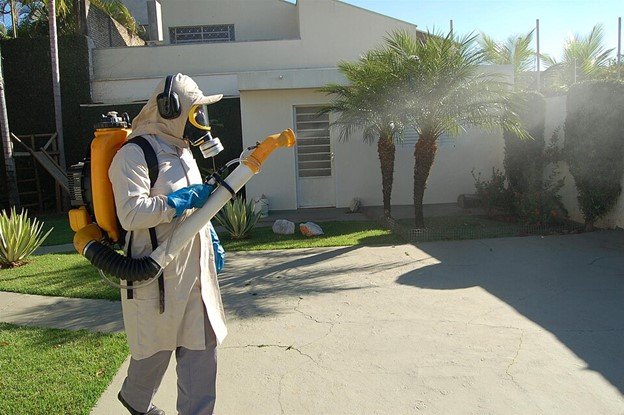
Brazil is facing a major dengue surge in 2024, driven by the reemergence of the DENV-3 serotype after 15 years. New surveillance data reveal nearly 2 million suspected cases in just three months, with women, children, and Indigenous people disproportionately affected. As climate pressures, social inequality, and low immunity collide, Brazil now accounts for much of Latin America’s rising dengue burden, highlighting urgent gaps in vaccination, mosquito control, and equitable healthcare access.
Inside the Aedes Mosquito: Which Arbovirus Wins the Battle for Your Blood?
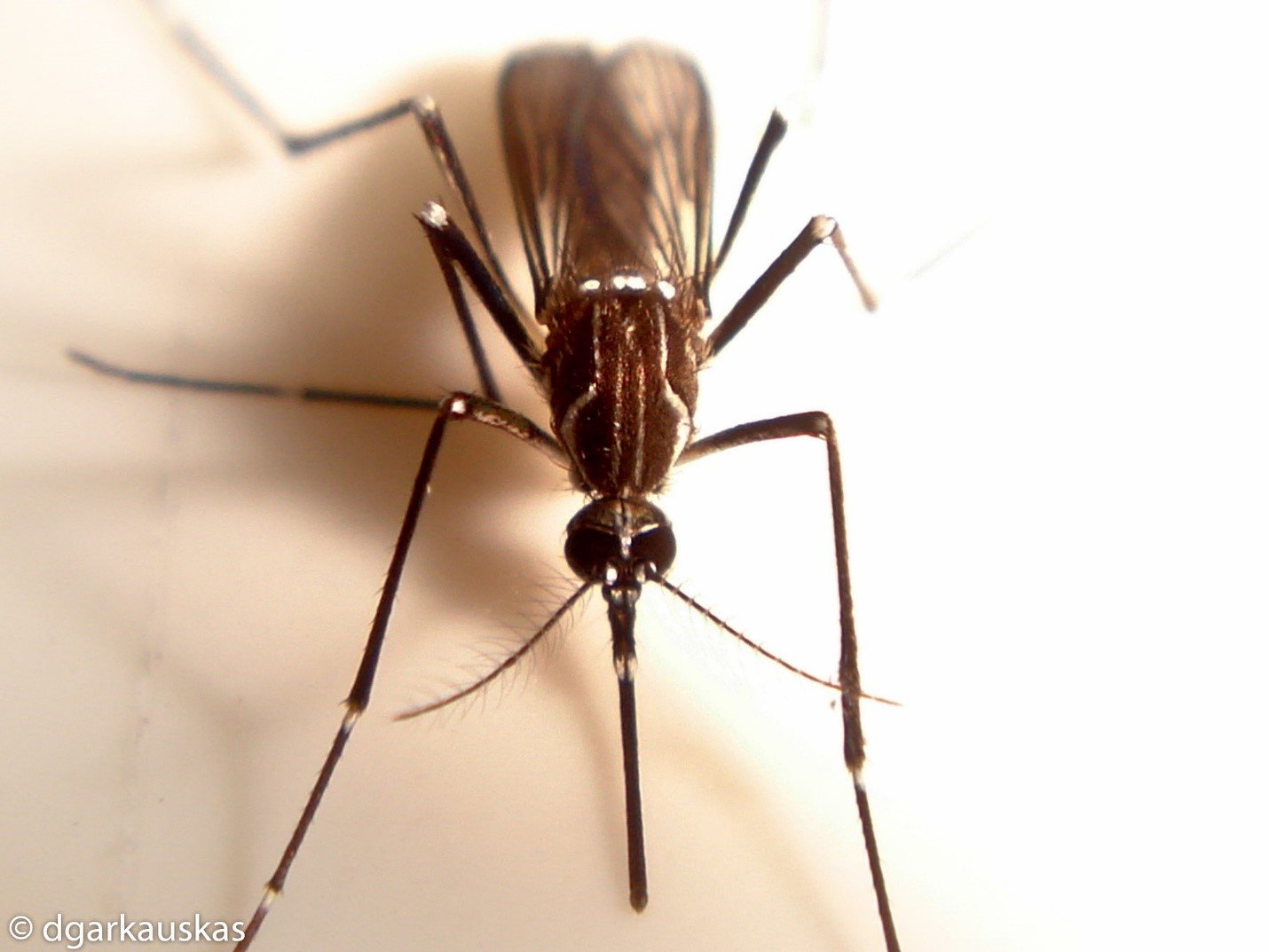
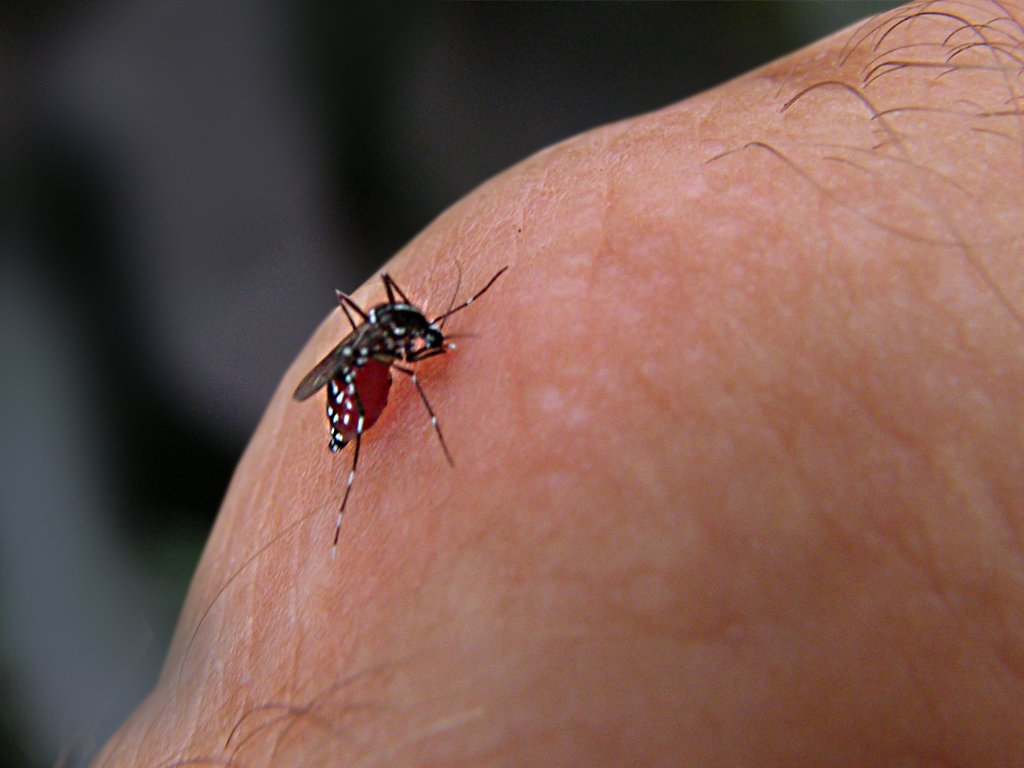
Aedes aegypti mosquitoes transmit dengue, Zika, and chikungunya, but chikungunya dominates infection rates in Mérida, Yucatán. This study highlights how mosquito density influences transmission and why accurate surveillance is critical for preventing outbreaks.
Artificial Light at Night Raises Your Risk of Dengue, Zika, and Chikungunya
Artificial light at night (ALAN) is more than an environmental nuisance, it’s a growing public health risk. A new study reveals that brief exposure to nighttime light can double the biting rate of Aedes aegypti mosquitoes, heightening the risk of dengue, Zika, and chikungunya transmission across Latin America’s rapidly urbanizing regions. As cities grow brighter, so does the hidden danger buzzing in the dark.
Aedes Mosquitoes: The Global Threat Behind Dengue, Zika, and Chikungunya
Aedes aegypti and Aedes albopictus mosquitoes are key vectors behind dengue, Zika, and chikungunya. Discover how their feeding habits, infection rates, and adaptability fuel global arbovirus outbreaks.
Global Study Finds High H. pylori Rates in Children
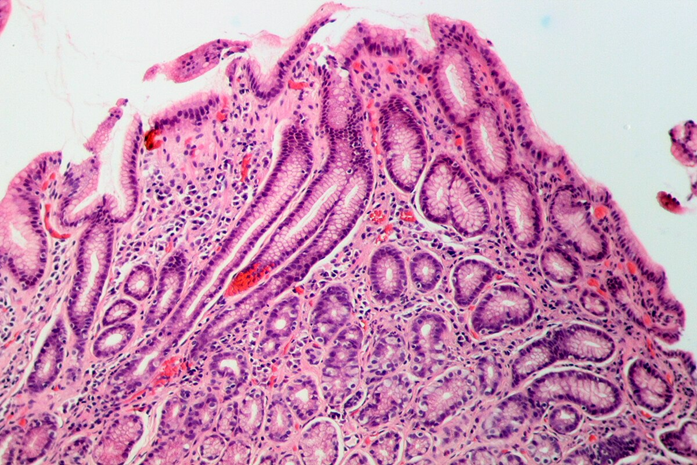
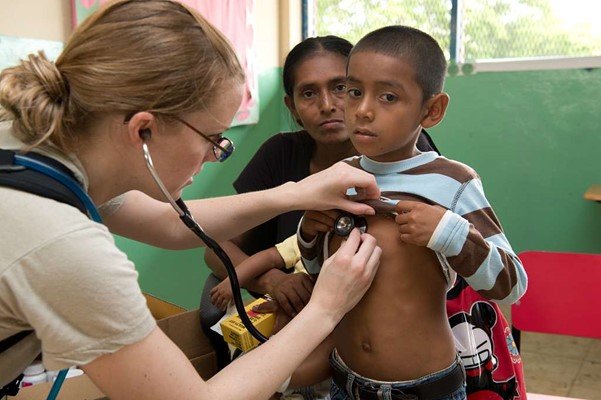
A groundbreaking 2024 Gastroenterology study reveals that Helicobacter pylori infection remains alarmingly high among children worldwide, especially in Latin America. Despite progress in adults, roughly one in three children still carries this cancer-linked bacterium. Learn why early childhood infection matters, how it fuels future gastric cancer risk, and what public-health strategies could help protect the next generation.
The Silent Threat of H. pylori in Hispanic Health
Helicobacter pylori (H. pylori) is more than just a stomach infection, it’s a hidden threat with serious consequences for Hispanic health. Beyond ulcers and gastritis, research shows links to gastric cancer, liver disease, and even metabolic disorders. Because Hispanic populations face higher infection rates, awareness, early detection, and treatment are critical in reducing long-term risks and improving overall health.
Women Bear the Brunt of Latin America’s Dengue Surge
As Latin American women continue to lead in politics, science, and entrepreneurship, they face a quieter but growing threat: dengue. In 2024 alone, the region saw over 13 million dengue cases, with new research revealing that women, especially those of reproductive age, are more likely to suffer severe complications. From biological factors like estrogen’s impact on immunity to social roles that increase mosquito exposure, the gender gap in arboviral infections is real and urgent. With evidence mounting from countries like Brazil, experts are calling for gender-sensitive public health strategies, including targeted vector control, reproductive care, and expanded vaccine access to protect those most at risk.


Recent Comments