
Source: Paulo Gustavo Modesto via Pexels.
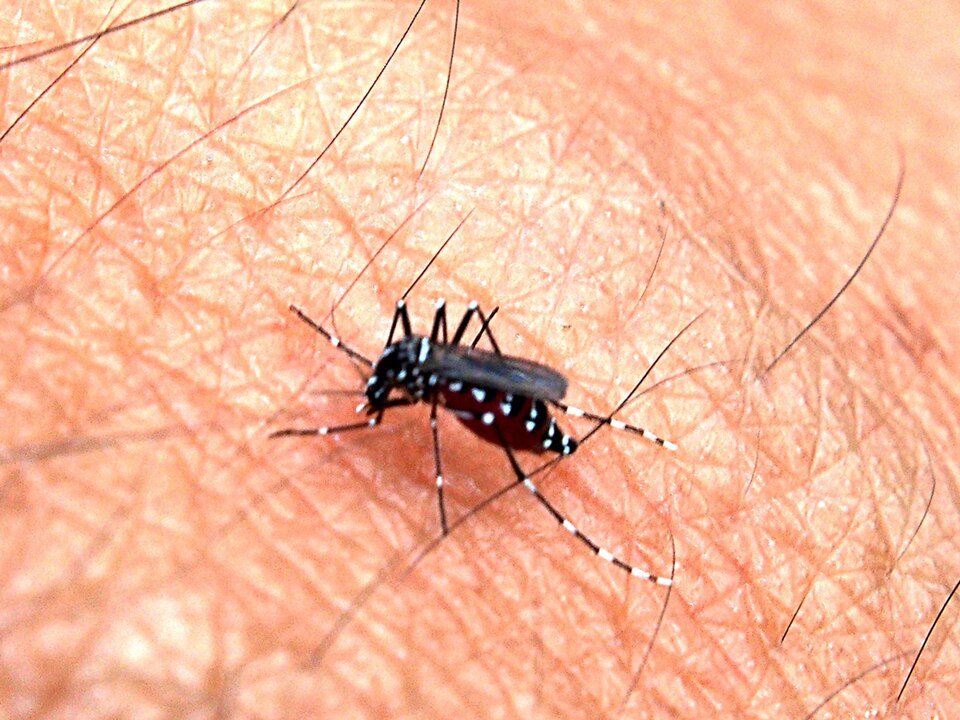
If you have ever lived in or traveled to Latin America, you know that dengue is a serious health threat.
Globally, dengue infects approximately 400 million people annually. In the Americas, cases have surged from 1.5 million in the 1980s to over 16 million in 2010–2019, with 3.1 million cases reported in 2019 alone.
Even more concerning, dengue’s clinical spectrum ranges from mild febrile illness to severe forms, such as dengue hemorrhagic fever (DHF) and dengue shock syndrome (DSS).
Given the potential for severe dengue to cause complications and death, early identification of at-risk populations is crucial. In this blog, I highlight the key findings from Paraná et al.’s study in Tropical Medicine and International Health and explain what they mean.
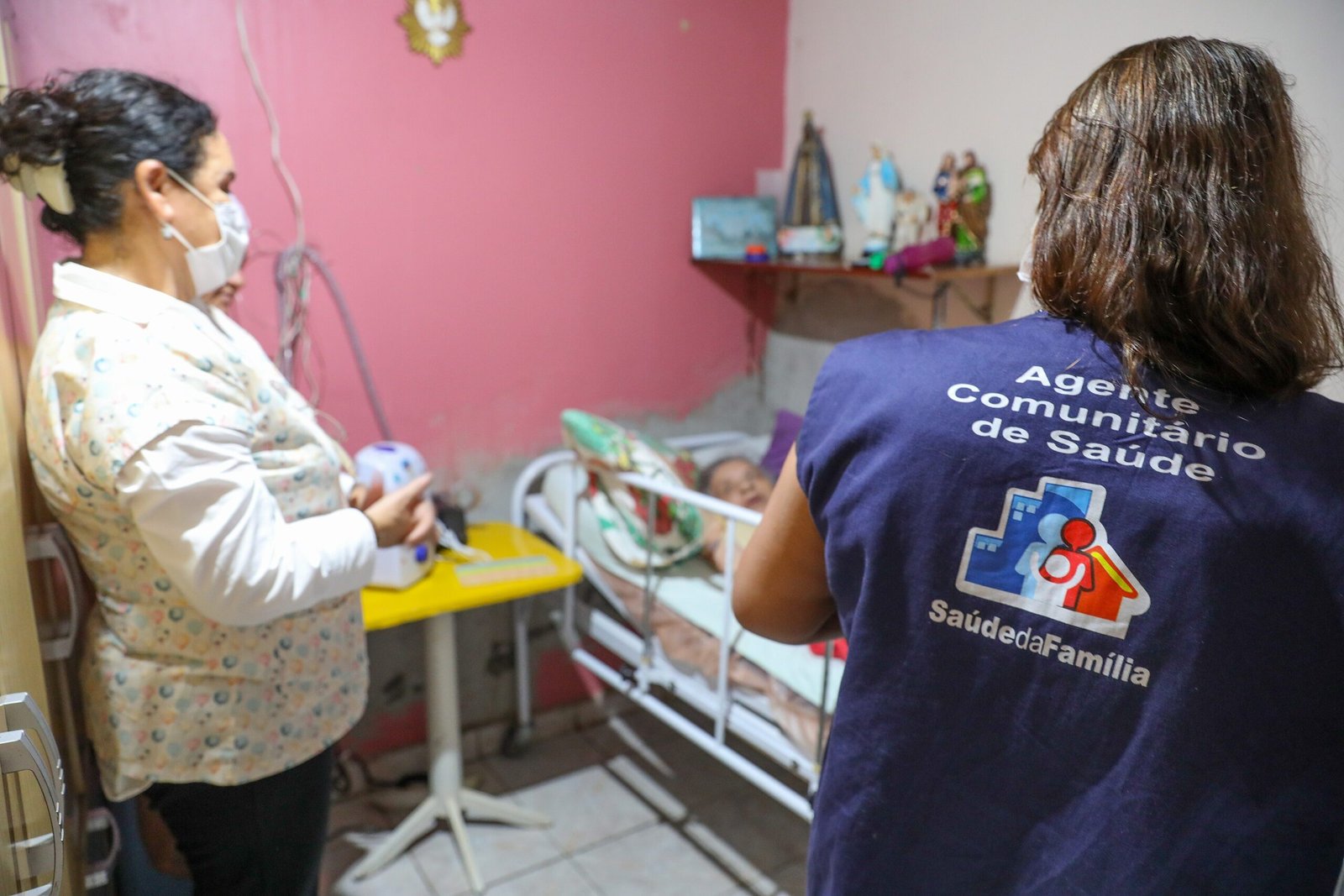
Whether you are a healthcare worker, traveler, or parent, understanding dengue risk factors can help you act early and prevent severe complications.
Table of Contents
Research Methodology

Source: Pixnio
This systematic review and meta-analysis followed PRISMA guidelines. These ensure a transparent, rigorous approach to identifying risk factors for severe dengue, hospitalization, and death in Latin America.
The team framed the research using the PICOS approach and registered the protocol in PROSPERO (CRD42021283608). The PICOS approach helps structure a research question by defining the Population, Intervention (or Exposure), Comparison, Outcomes, and Study design.
They searched PubMed, SciELO, LILACS, and EMBASE for studies on dengue risk factors in human patients that reported association measures such as OR, RR, HR, or PR. They excluded reviews, case reports, editorials, protocols, and comments. Two researchers independently screened all articles and reached consensus on final inclusion.
Severe dengue was defined using WHO 2009 criteria, but studies using WHO 1997 or Brazil’s “complicated dengue” classification were also accepted. Study quality was evaluated with the Joanna Briggs Institute checklist. Extracted data included sample size, outcomes, risk factors, and effect estimates.
For the meta-analysis, studies reporting the same outcomes were pooled in STATA, heterogeneity was measured with I², and pooled effect sizes were calculated with 95% CIs. Only risk factors evaluated in at least three studies, statistically significant, and with I² <75% were included in the final analysis.
Study Selection and Characteristics
From an initial search of 1,876 articles, 47 studies were ultimately included in the systematic review, and 45 were used for meta-analysis.
Most studies were conducted in South America, particularly Brazil (53%), followed by Paraguay (14%) and Colombia (11%). The majority (87%) of the selected studies had a low risk of bias, indicating high reliability of the data.
Study designs included surveillance, cohort, case-control, and cross-sectional analyses, covering both children and adults with dengue. Across all studies, severe dengue affected an average of 32% of patients, while deaths were relatively rare at around 0.1% of total cases.
Risk Factors for Severe Dengue and Death
Source: pickpik
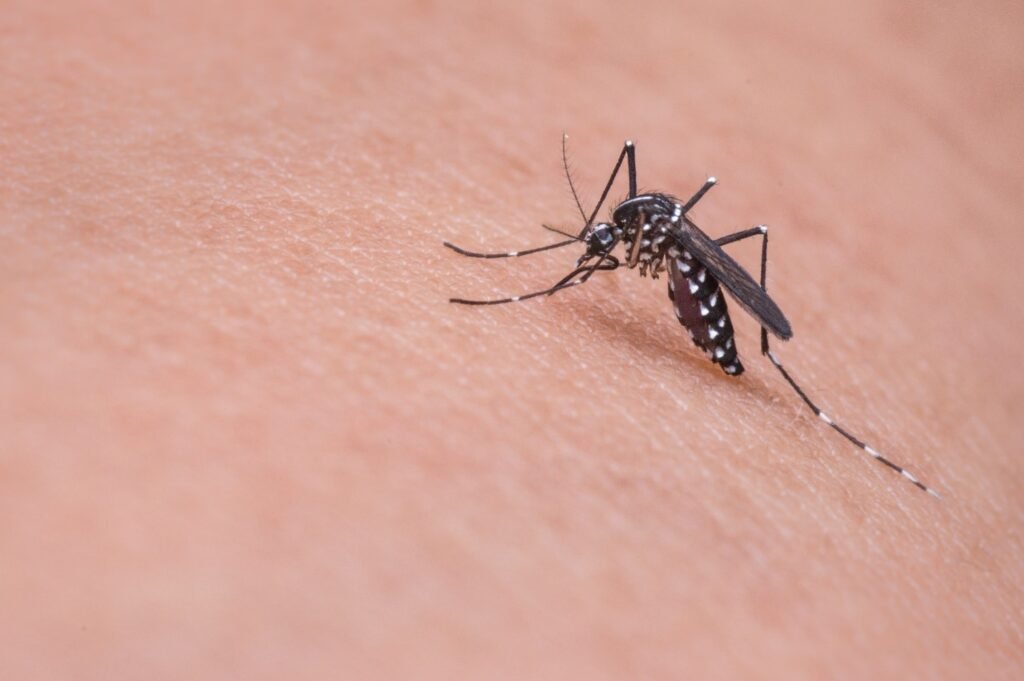
The meta-analysis identified several key risk factors for severe dengue. Comorbidities, secondary dengue infection, and certain symptoms such as abdominal pain, bleeding, fatigue, and diarrhea were strongly linked to severe disease.
Sociodemographic factors, including age under 18, female sex, and white/Caucasian ethnicity, were also associated with higher severity. In terms of mortality, older age (>60 years) and underlying health conditions significantly increased the risk of death.
Interestingly, younger age (<18 years), female sex, and early detection of warning signs were linked to lower risk of death, highlighting the importance of prompt medical care.
Risk Factors for Hospitalization
Hospitalization due to dengue was most associated with age groups under 18 and over 60.
Female patients and individuals with hypertension also had a higher likelihood of hospital admission. Warning signs or severe dengue symptoms dramatically increased hospitalization risk.
While fewer studies examined hospitalization outcomes, these findings underscore the need to prioritize vulnerable populations. This is particularly true in children, older adults, and patients with pre-existing conditions.
Risk Factors for Severe Dengue
This systematic review and meta-analysis identified several risk factors associated with severe dengue, hospitalization, and death in Latin America.
Secondary dengue infection was the strongest predictor of severe disease, driven by heightened immune responses.
Female sex and white/Caucasian ethnicity were also associated with greater severity, likely due to genetic, immunological, and healthcare access factors.
Clinical symptoms including headache, myalgia/arthralgia, vomiting, abdominal pain, diarrhea, lethargy, and fatigue were consistently associated with severe dengue, highlighting their value as warning signs for clinicians.
Risk Factors for Death and Hospitalization
Source: Barnaby Dofman via Flickr.
For dengue-related mortality, the analysis found that women generally had a lower risk of death, possibly due to higher healthcare utilization, though results varied across studies.
Age under 18 years showed mixed effects depending on the statistical measure, but children remain a vulnerable group in dengue-endemic regions.
Early identification of laboratory indicators such as platelet count <10,000 μL, positive tourniquet test, and signs of capillary fragility were associated with lower mortality, underscoring the importance of prompt diagnosis and treatment.
Respiratory and allergic conditions, such as asthma, were identified as additional risk factors for severe outcomes.
Hospitalization was more frequent in children, older adults, and patients with comorbidities, emphasizing the need to prioritize these high-risk populations.
What This Mean for Dengue Control in Latin America
This study highlights the critical role of early recognition of risk factors, diagnostic testing, and symptom monitoring in preventing severe dengue outcomes.
Understanding demographic, clinical, and laboratory predictors can inform targeted interventions, improve clinical guidelines, and reduce complications.
While findings provide valuable insights, heterogeneity among studies, recall bias, and variability in confounders limit definitive conclusions.
Further research is needed to standardize risk assessments and refine strategies for dengue prevention, management, and early intervention across Latin America, where dengue remains a major public health concern.