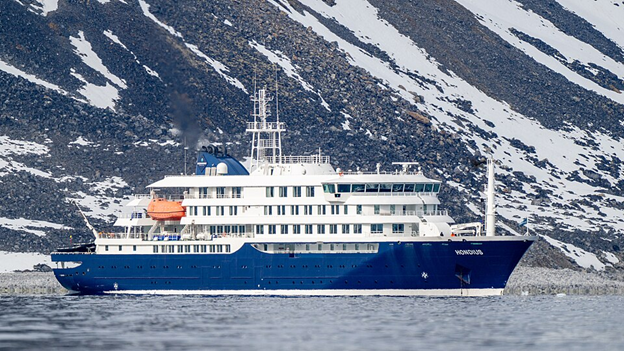
MV Hondius, circa. 1245. Source: Stefan Brending via Wikimedia Commons.
Highlights
- Cruise ship outbreak reveals rare human-spreading Andes hantavirus.
- Andes hantavirus outbreak raises concerns over global disease spread.
- Scientists confirm no mutations in Andes virus outbreak strain.
- Latin America outbreak highlights travel-linked infectious disease risks.
A rare virus is making headlines. A cruise ship outbreak has put the Andes hantavirus under the global spotlight, and for good reason. Will this be the start of another global pandemic? Here is what you need to know.
What Is Hantavirus?
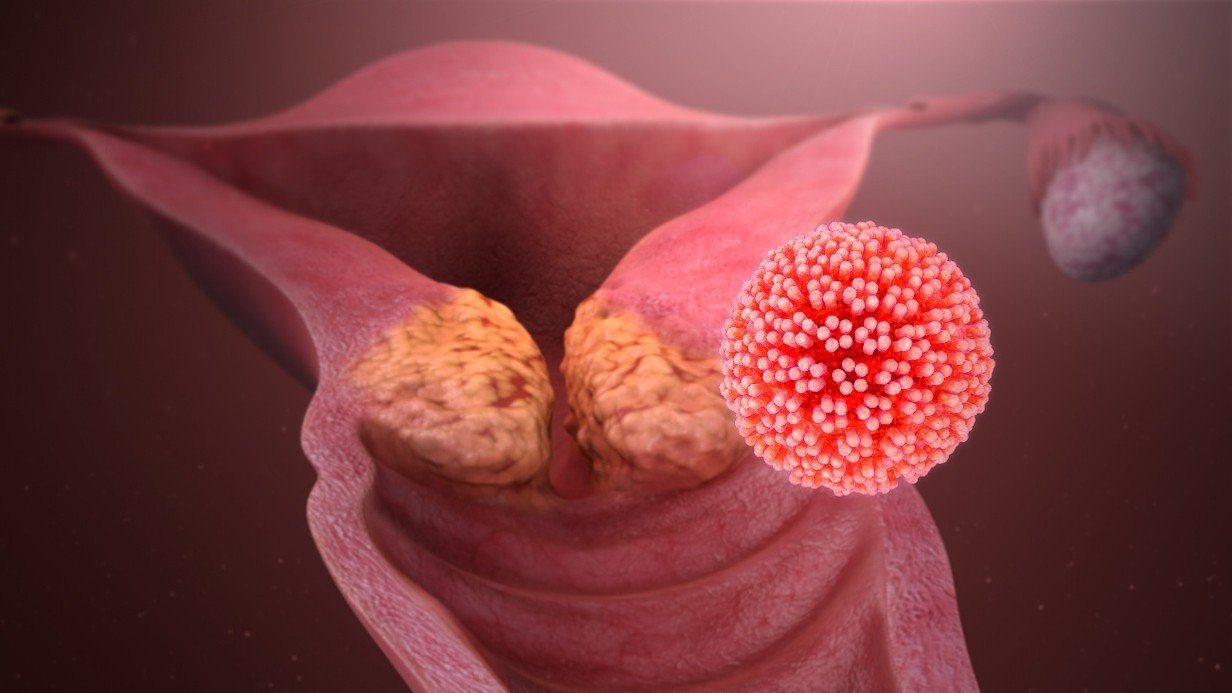
Hantaviruses are a family of viruses. Rodents carry them. Infected animals spread the virus through their urine, droppings, and saliva. When humans breathe in particles from these materials, they can get sick.
Most hantavirus strains do not pass from person to person. The Andes virus is different. It is the only known hantavirus that can spread between humans. That is what makes this outbreak so unusual and so closely watched.
The Cruise Ship Outbreak
The story begins on April 1, 2026. A Dutch-flagged cruise ship, the MV Hondius, departed from Ushuaia, Argentina. Within days, passengers started falling ill.
By May 8, eight cases had been reported. Three people died. That is a case fatality ratio of 38%, a sobering number. Six of the eight cases were confirmed in labs as Andes virus infections. Two others were classified as probable cases.
The ship carried nearly 150 passengers and crew. As the vessel made its way toward Tenerife in Spain’s Canary Islands, health officials scrambled to respond. This marked the first-ever recorded hantavirus outbreak aboard a cruise ship.
How Did It Spread on a Ship?
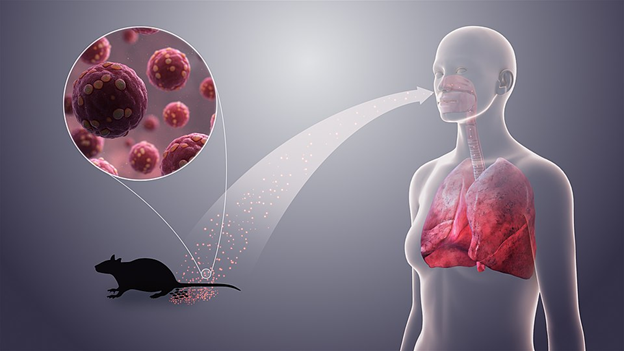
Animation of Hantavirus transmission. Source: https://www.scientificanimations.com via Wikimedia Commons.
Experts believe the virus likely started with exposure in South America. Two of the three people who died had traveled through Argentina before boarding the ship.
Once on board, the close quarters made things worse. Cruise ships pack people into small spaces.
Shared dining rooms, hallways, and cabins create perfect conditions for any illness to spread. Andes virus, which can pass between people through close and prolonged contact, likely moved among passengers this way.
Scientists confirmed the virus through PCR testing and genetic sequencing. South African scientists also analyzed the genome. They found nothing unusual. No mutations. No signs of a more dangerous new strain.
Symptoms to Watch For
Andes hantavirus infections start with flu-like symptoms. These include fever, muscle aches, chills, nausea, vomiting, and stomach pain. Some patients develop a more serious condition known as Hantavirus Pulmonary Syndrome, or HPS.
HPS attacks the lungs. Fluid builds up fast. Breathing becomes difficult. Without medical care, it can be fatal. There is no approved cure or vaccine for the Andes virus. Treatment focuses on supportive care, including oxygen therapy, fluids, and monitoring.
Should You Be Worried?
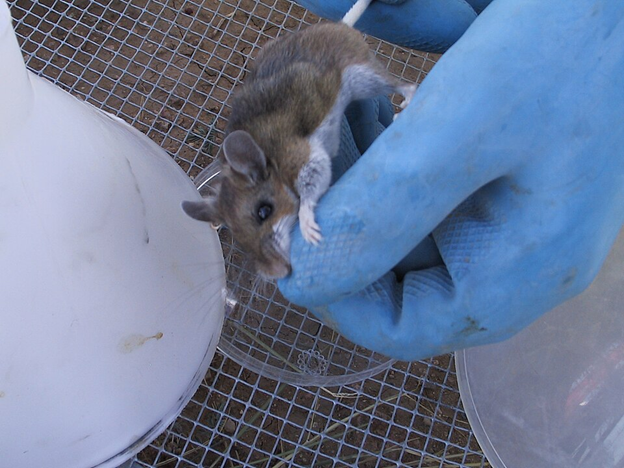
A hantavirus-infected deer mouse (Peromyscus) in New Mexico, USA. Source: Hanta1 via Wikimedia Commons.
The short answer is no, not yet. The World Health Organization rated the overall public health risk as low. No secondary cases have been reported among people who came into contact with disembarked passengers.
Health officials in at least three U.S. states are monitoring exposed individuals, but none have shown symptoms so far.
The incubation period for Andes virus can be up to six weeks.
That means more cases could still appear. Authorities are conducting international contact tracing to stay ahead of any spread.
Due to the same reason, we are yet to figure out if more people who have been on that cruise ship have gotten the virus or not
What This Means for Latin America

Iguazu Falls, in Misiones (Argentina). Source: quimpg via Wikimedia Commons.
For Latin America, the outbreak carries a deeper message. The Andes virus is not new to the region.
Cases have been reported for years in countries such as Argentina and Chile, particularly in rural and forested areas where people come into contact with infected rodents.
What is new is the level of international attention this outbreak has received because it unfolded on a cruise ship carrying travelers from multiple countries.
The event highlights how local infectious diseases can quickly become global concerns through travel and tourism.
South America attracts millions of visitors every year for ecotourism, cruises, and outdoor adventures.
As people move more frequently between regions, pathogens that were once considered geographically limited gain more opportunities to spread beyond their usual borders.
This does not mean Latin America is unsafe to visit. It means surveillance, public health preparedness, and early detection matter more than ever.
Rapid PCR testing, genomic sequencing, and international coordination helped scientists quickly identify the virus and rule out fears of a newly mutated strain. Those systems are critical not only for hantaviruses, but also for future emerging infectious diseases.