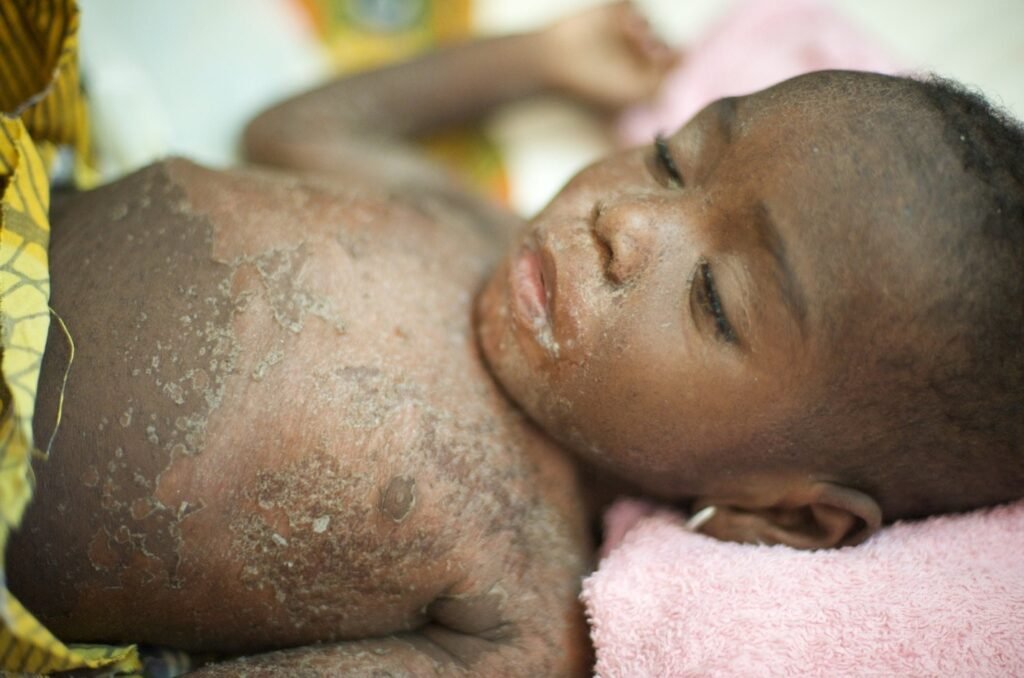
Source: Julien Harneis via Flickr.
Highlights
- Nearly 23,000 measles cases have been confirmed across the Americas in 2026.
- Mexico, Guatemala, the United States, and Canada account for most infections.
- Vaccination gaps continue to sustain outbreaks despite signs of improvement.
Measles Was Eliminated, So Why Are We Seeing Outbreaks Again?
When people hear about measles, they think of a disease that was largely left behind decades ago. Thanks to widespread vaccination, much of the Americas had successfully eliminated endemic measles transmission.
But elimination does not mean eradication. As long as the virus continues circulating somewhere in the world, it can return whenever it finds communities with declining immunity.
During my PhD research, I studied how measles virus interacts with the innate immune system and how host antiviral proteins influence viral replication. Working with the virus firsthand reinforced an important lesson: while the immune system can limit infection, vaccination remains the most effective way to prevent measles.
That message has taken on renewed urgency in 2026. The latest situation report from the Pan American Health Organization (PAHO) paints a concerning picture of measles activity across the Americas.
During the first 25 epidemiological weeks of the year, countries throughout the region reported 22,974 laboratory-confirmed cases and 39 deaths associated with the disease. Compared with the same period in 2025, the number of confirmed cases has increased by approximately 181%, making this one of the region’s largest measles resurgences in recent years.
Why Are Measles Cases Increasing Across the Americas?
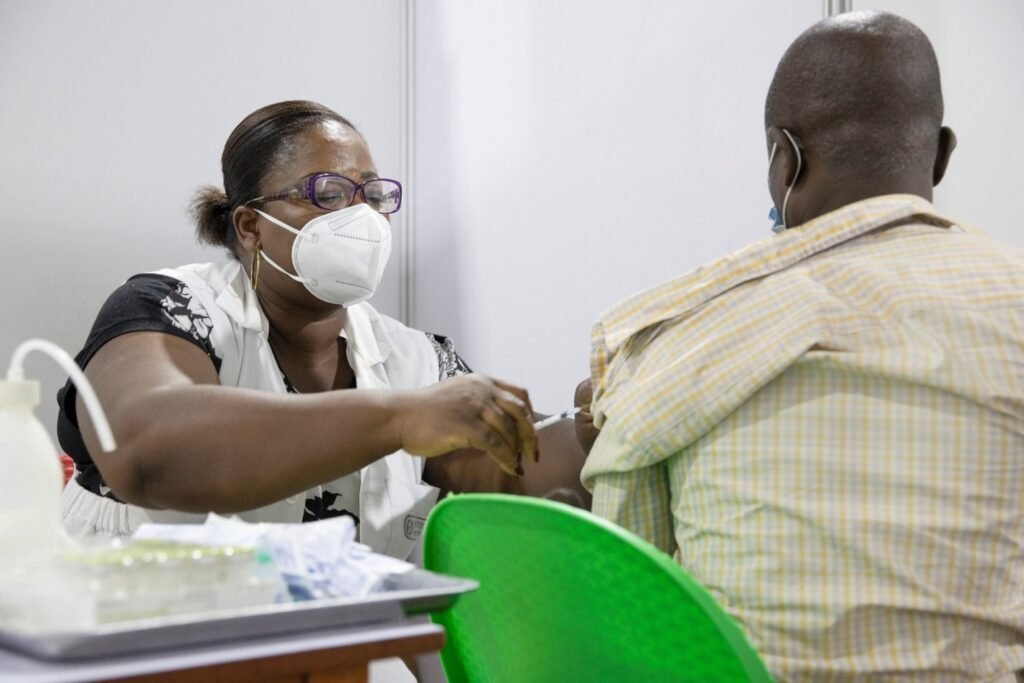
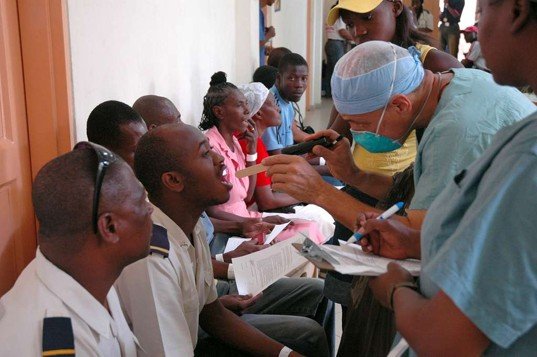
Source: Erick Kaglan / World Bank via Flickr.
At first glance, these numbers may seem surprising. After all, measles is one of the most preventable infectious diseases.
The vaccine has been available for decades, provides excellent protection after two doses, and has dramatically reduced childhood mortality worldwide.
So why are outbreaks returning?
The answer lies not in the virus itself, but in population immunity.
Measles is among the most contagious viruses known. An infected person can transmit the virus to nearly every susceptible individual they encounter in close-contact settings.
Because of this extraordinary transmissibility, vaccination coverage must remain exceptionally high, around 95% of the population receiving two vaccine doses, to prevent sustained transmission.
Even relatively small declines in vaccine uptake can create pockets of susceptible individuals where the virus can spread rapidly once introduced.
Which Countries Are Reporting the Most Measles Cases?
This pattern is clearly reflected in the current outbreak. Although 17 countries and territories have reported confirmed cases this year, transmission has been heavily concentrated in just four countries.
Mexico has reported the largest number of infections, followed by Guatemala, the United States, and Canada. Together, these four countries account for approximately 96% of all confirmed measles cases reported in the Americas during 2026.
Is the Measles Outbreak Beginning to Slow?
Fortunately, the newest surveillance data also offer a reason for cautious optimism.
During the most recent reporting period, the number of newly confirmed cases declined substantially compared with the previous two weeks.
Health officials observed fewer new infections in several heavily affected countries, including Mexico, Peru, and the United States, while Canada’s outbreak has remained relatively stable.
Although these trends suggest that public health interventions may be beginning to slow transmission, experts emphasize that the outbreak is far from over.
Why Disease Surveillance Is Critical During Measles Outbreaks

Source: National Eye Institute via Wikimedia Commons.
This is where disease surveillance becomes one of public health’s most valuable tools.
Surveillance is much more than simply counting cases. Every laboratory-confirmed infection helps epidemiologists understand where transmission is occurring, identify populations at greatest risk, evaluate whether vaccination campaigns are working, and determine where additional resources should be directed.
Organizations such as PAHO coordinate this information across the Americas, allowing countries to detect outbreaks earlier and respond more effectively before widespread community transmission becomes established.
The current outbreak also serves as an important reminder that successful disease control requires continuous effort.
Elimination is not a permanent status that can be achieved once and forgotten. It depends on maintaining high vaccination coverage year after year, ensuring children receive routine immunizations, strengthening surveillance systems, and responding rapidly whenever imported cases are detected.
The Bottom Line
As recent events have demonstrated, even diseases that once appeared to be under control can return when immunity declines.
The encouraging decline in new cases reported over the past few weeks suggests that ongoing public health responses are making a difference.
However, sustained vaccination efforts and continued surveillance will ultimately determine whether these outbreaks continue to shrink or regain momentum.
For scientists, healthcare professionals, and the public alike, the lesson is clear: vaccines remain our strongest defense against measles, but maintaining their impact requires more than scientific breakthroughs.
It requires continued investment in immunization programs, effective disease surveillance, and public trust in one of the safest and most effective vaccines ever developed.