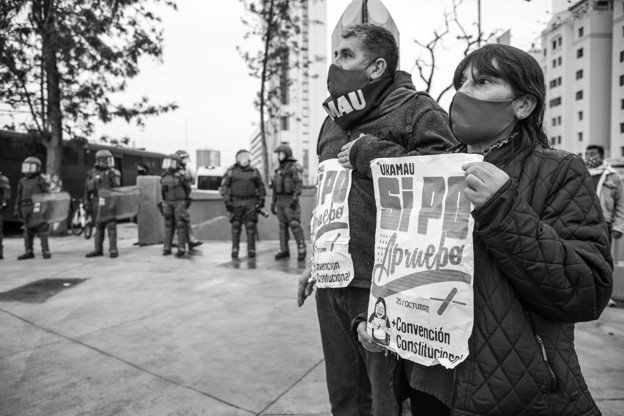
Source: Paulo Slachevsky (CC BY-NC)
Highlights
- Vaccine hesitancy extends beyond misinformation.
- Access barriers remain a major public health challenge.
- Trust in healthcare providers increases vaccination rates.
Vaccines have transformed public health. Diseases that once claimed millions of lives, including measles, polio, diphtheria, and tetanus, have become rare in many parts of the world thanks to widespread immunization.
Yet despite their remarkable success, vaccination rates have declined in several Latin American countries over the past decade.
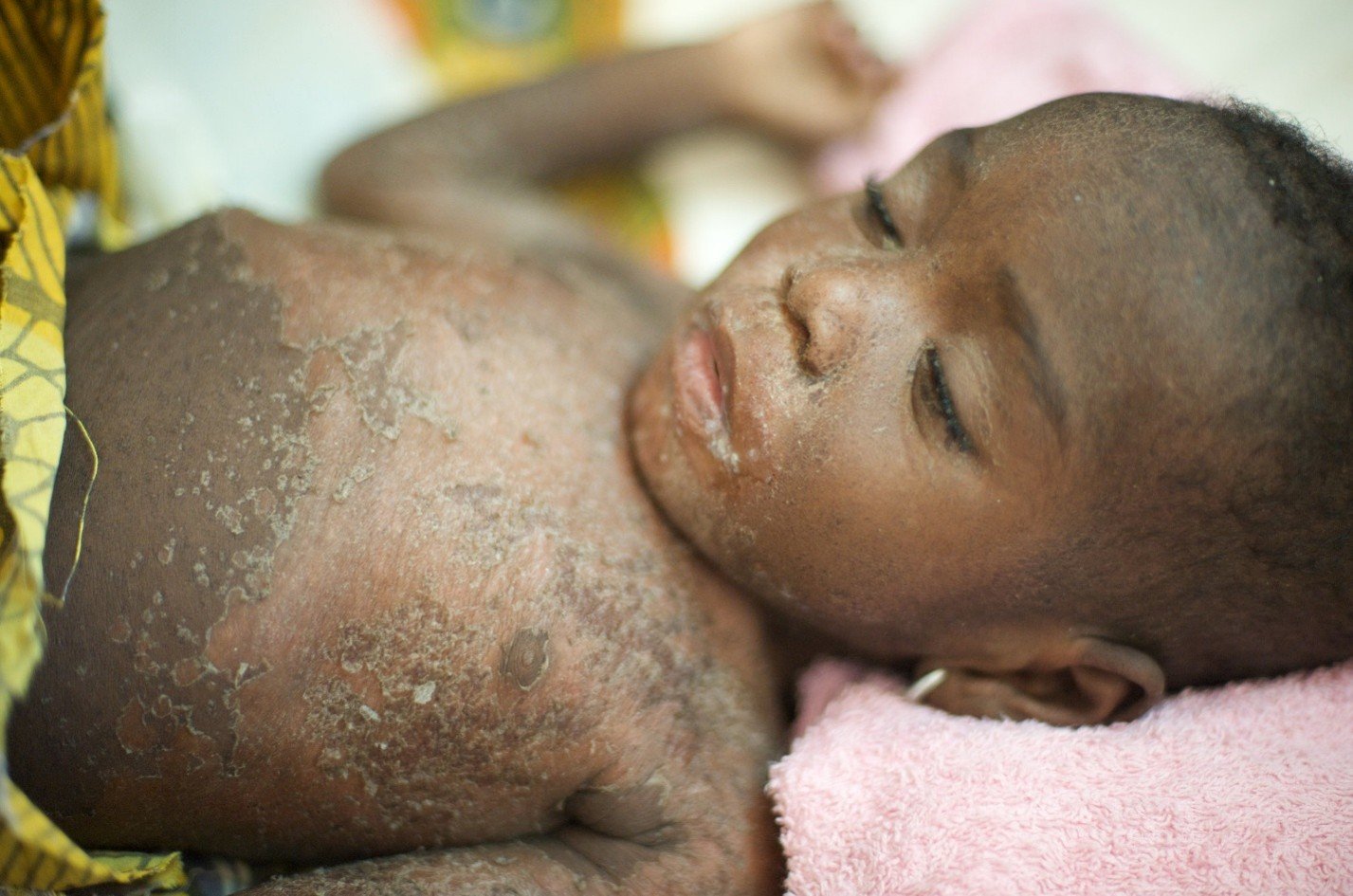
When vaccination coverage falls, communities become vulnerable to outbreaks of diseases that were once under control. We have already witnessed the return of measles in parts of the Americas, while seasonal influenza, HPV, COVID-19, and other vaccine-preventable diseases continue to challenge healthcare systems across the region.
Many people assume vaccine hesitancy is simply the result of misinformation shared online. However, new research suggests the reality is much more complex.
A systematic review by Roberti et al. in 2024 analyzed 56 qualitative studies conducted across Latin America to better understand why people delay or refuse vaccines and what encourages them to get vaccinated. Rather than focusing solely on vaccination rates, the researchers explored the experiences, concerns, and beliefs of parents, healthcare workers, pregnant women, and communities throughout the region.
What Is Vaccine Hesitancy?
The World Health Organization (WHO) defines vaccine hesitancy as delaying or refusing vaccination despite vaccines being available.
Importantly, hesitancy is not the same as being “anti-vaccine.” Many people who hesitate eventually choose vaccination after receiving trustworthy information or overcoming practical barriers.
The review found that vaccination decisions often exist on a spectrum. Some individuals readily accept every recommended vaccine, while others have specific concerns about particular vaccines, schedules, or side effects. Many simply need better communication rather than persuasion.
Why Do People Delay Vaccination?
One of the strongest themes across the review was that vaccine hesitancy is rarely driven by a single factor. Instead, multiple social, cultural, and structural issues often interact.
Lack of Reliable Information
Many participants reported receiving little explanation about why vaccines were recommended or what side effects to expect. In some cases, vaccines were administered without meaningful discussion between healthcare providers and patients.
Without clear communication, people often searched online or relied on family members and social media for answers, where misinformation could easily spread.
Researchers found that improving communication, not simply increasing information, was one of the greatest opportunities to improve vaccine confidence.
Concerns About Safety
Safety concerns were among the most common reasons people delayed vaccination.
Parents worried about fever or other side effects in children. Pregnant women feared potential harm to their babies. Others questioned whether newer vaccines had been studied long enough before being introduced.
While these concerns may not reflect scientific evidence, they represent genuine fears that healthcare professionals must address respectfully rather than dismiss. Trust develops through honest conversations, not simply presenting statistics.
Cultural and Religious Beliefs
Beliefs surrounding health varied considerably across Latin America.
Some communities believed illnesses were determined by God’s will rather than preventable through vaccination. Others viewed vaccines as unnecessary because previous generations had survived without them.
Among certain Indigenous communities, historical mistrust of government institutions contributed to fears that vaccination programs served hidden political or economic purposes.
Their findings highlight why successful vaccination campaigns must consider local culture rather than relying on one-size-fits-all messaging.
Vaccine Access Can Be Just as Important as Trust
Not everyone who misses a vaccine is hesitant.
Across multiple countries, participants described practical obstacles that prevented vaccination even when they wanted to receive it.
Common barriers included vaccine shortages, long waiting times, limited clinic hours, transportation costs, long travel distances to healthcare facilities, understaffed vaccination centers.
For families living in rural or underserved communities, taking time off work or traveling several hours for a vaccine may simply not be possible.
These findings remind us that increasing vaccine coverage requires strengthening healthcare systems alongside public education.
Healthcare Professionals Make the Biggest Difference
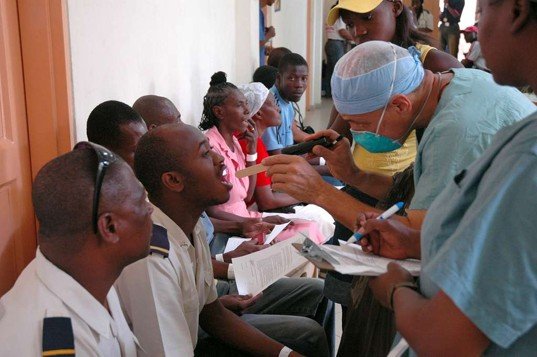
Source: Curt Carnemark / World Bank via Flickr
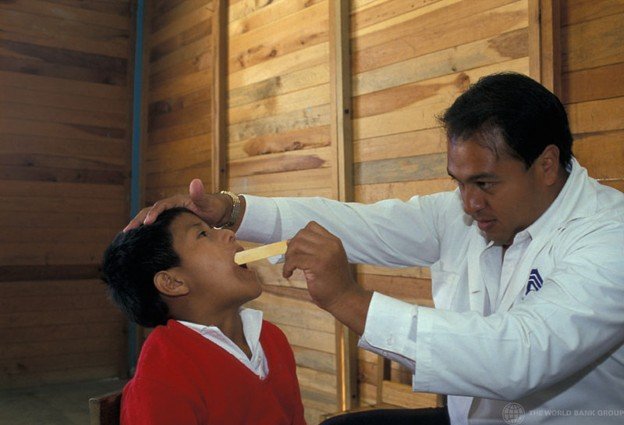
Perhaps the most encouraging finding from the review was the importance of healthcare providers.
Across numerous studies, physicians, nurses, and other healthcare professionals remained the most trusted source of vaccine information.
Even participants who expressed doubts often reported choosing vaccination after discussing their concerns with a trusted clinician.
Positive experiences at vaccination clinics, including respectful treatment, clean facilities, and clear communication, also increased confidence in immunization programs.
This demonstrates that trust is built through everyday interactions between healthcare professionals and the communities they serve.
Why This Matters for Public Health in Latin America
Vaccination is more than an individual decision.
High vaccination coverage protects vulnerable members of society, including infants, older adults, pregnant women, and individuals with weakened immune systems who may not be fully protected themselves.
When vaccination rates decline, diseases can spread more easily through communities, increasing the risk of outbreaks.
For Latin America, where countries continue to combat dengue, influenza, measles, HPV-related cancers, and other infectious diseases, maintaining public confidence in vaccination remains essential for protecting population health.
Building Confidence Instead of Fear
Source: U.S. Navy via Picryl
The review offers an important lesson for public health professionals.
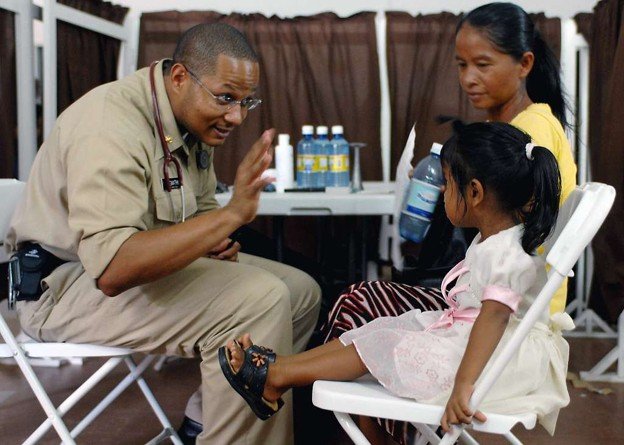
People rarely change their minds because they are told they are wrong. Instead, confidence grows when communities have access to reliable information, trusted healthcare providers, convenient vaccination services, and respectful conversations that acknowledge their concerns.
Improving vaccination coverage therefore requires a combination of better communication, stronger healthcare infrastructure, culturally sensitive outreach, and equitable access to immunization services.
Scientific evidence alone is powerful, but public trust is what ultimately transforms that evidence into healthier communities.
As infectious diseases continue to evolve, strengthening that trust may be one of the most important investments Latin America can make in its future.
Take Home Message
Vaccine hesitancy in Latin America is shaped by far more than misinformation. Access to healthcare, trust in providers, cultural beliefs, and clear communication all influence vaccination decisions. Addressing these challenges requires evidence-based public health strategies that build confidence while ensuring vaccines remain accessible to every community.
Subscribe to Pathogenos
At Pathogenos, we translate the latest infectious disease research into clear, evidence-based insights for students, healthcare professionals, and anyone interested in public health. Subscribe to stay informed about emerging diseases, vaccines, laboratory discoveries, and the science shaping global health.