Source: Julien Harneis via Wikimedia Commons.
Highlights
- Vaccination Gaps Fueled the Resurgence
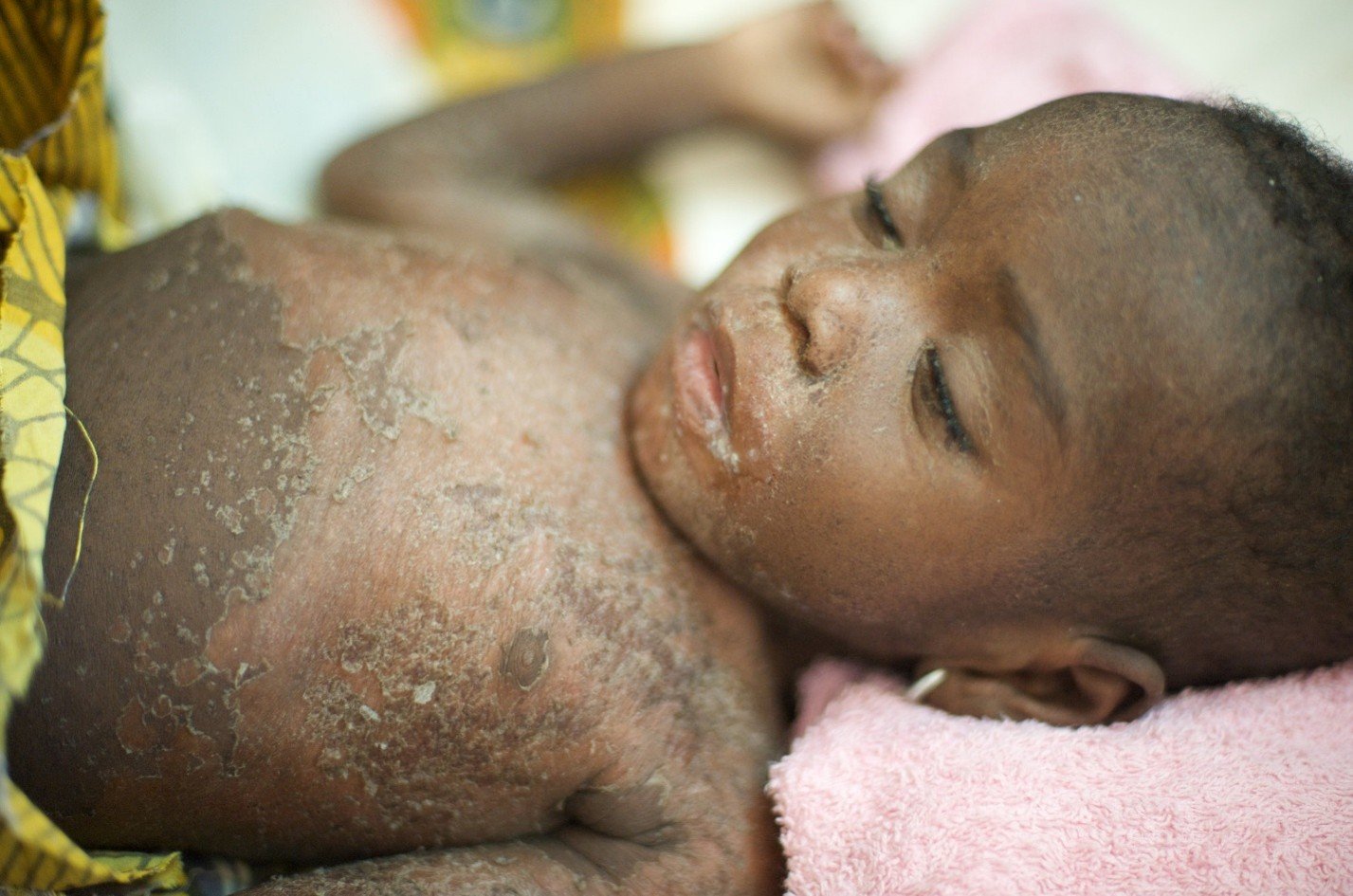
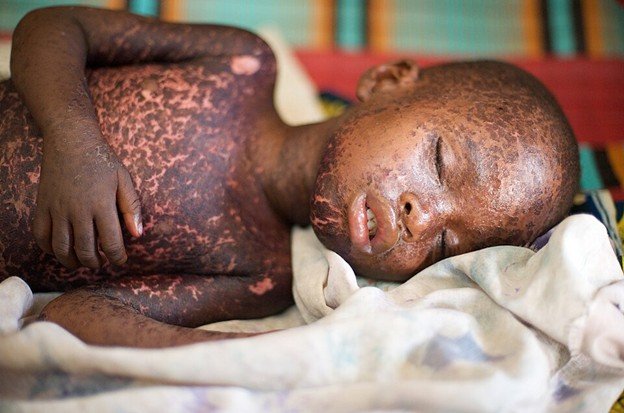
- Measles Is More Dangerous Than Many Realize
- Misinformation, Migration, and Weak Health Infrastructure Are Driving Spread
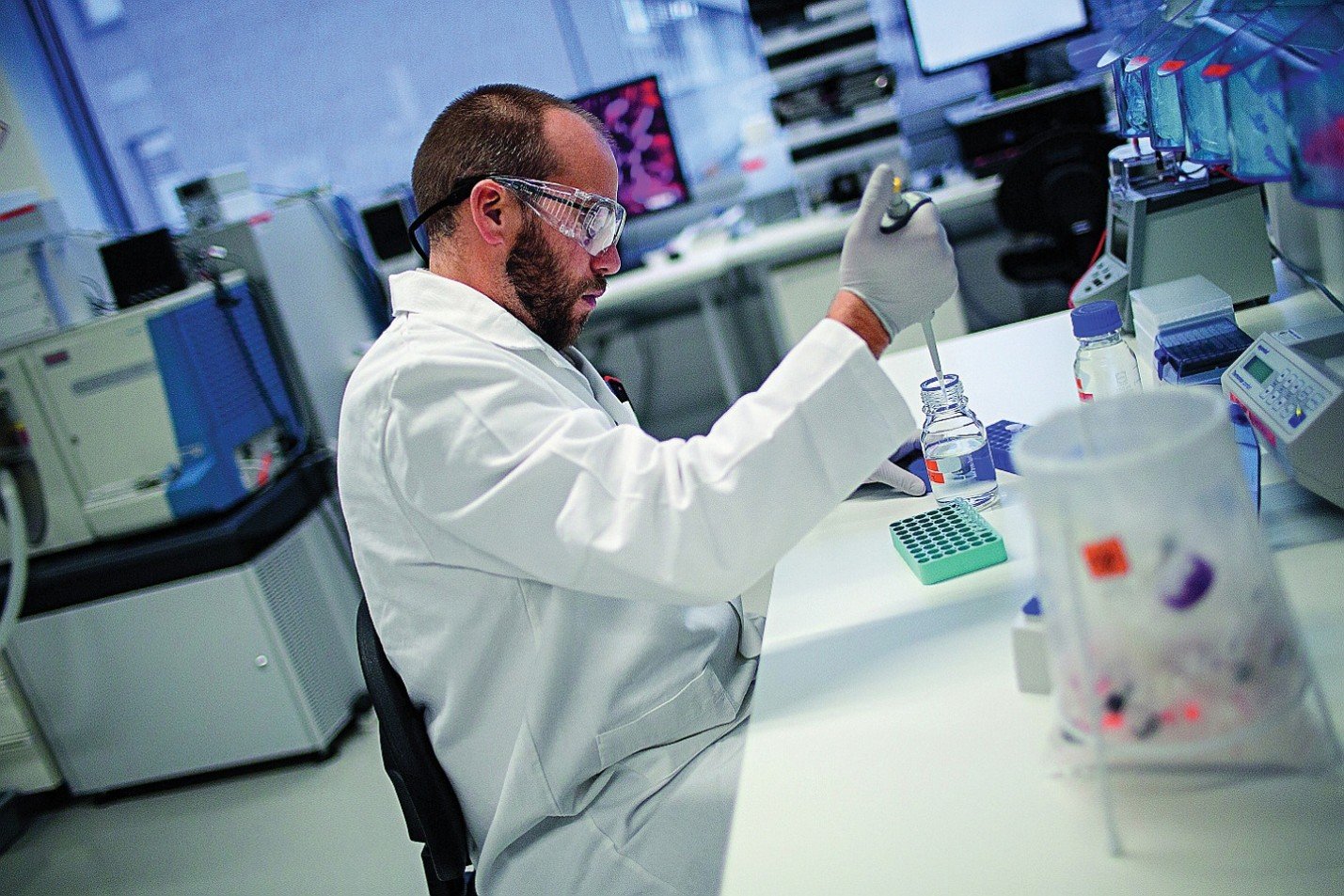
During my PhD research, one of the model viruses I use to study and enhance cellular innate immune responses to viral infection is none other than the measles virus.
Measles is one of the most contagious infectious diseases in the world. Caused by a negative single-stranded RNA virus that spreads through the air, it can infect up to 90% of unvaccinated individuals exposed to it.
Measles virus temporarily weakens immune memory, a phenomenon known as immune amnesia. Researchers have found that the virus can erase immune protection generated against other pathogens, leaving children vulnerable to secondary infections even after they recover from measles.
For decades, vaccines kept it under control across Latin America. Yet in 2026, the virus is making a comeback. Cases have surged in Latin American countries including Brazil, Venezuela, Colombia, and Peru. The numbers are climbing fast, and children are bearing the brunt of it.
But why is there a rise in measles cases?
Vaccination Rates Dropped During the Pandemic
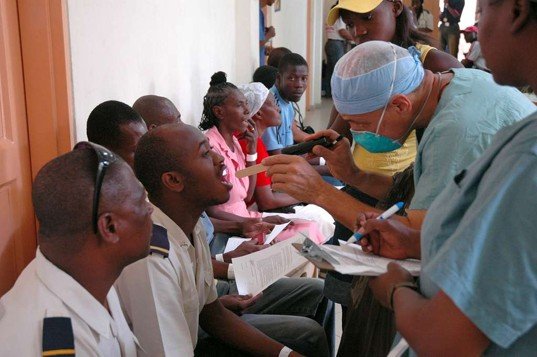
The COVID-19 pandemic left a lasting mark on public health systems. Between 2020 and 2022, routine childhood vaccinations stalled across the region. Clinics closed. Families stayed home. Health workers shifted their focus to COVID response.
The result? Millions of children missed their measles, mumps, and rubella (MMR) vaccines. When you skip vaccinations for two or three years, you create a gap, a large group of unprotected children. Measles exploits that gap quickly.
Experts call this an “immunity debt.“ The virus finds the unvaccinated, spreads fast, and outbreaks follow. That is exactly what Latin America is experiencing right now.
Misinformation Is Making Things Worse
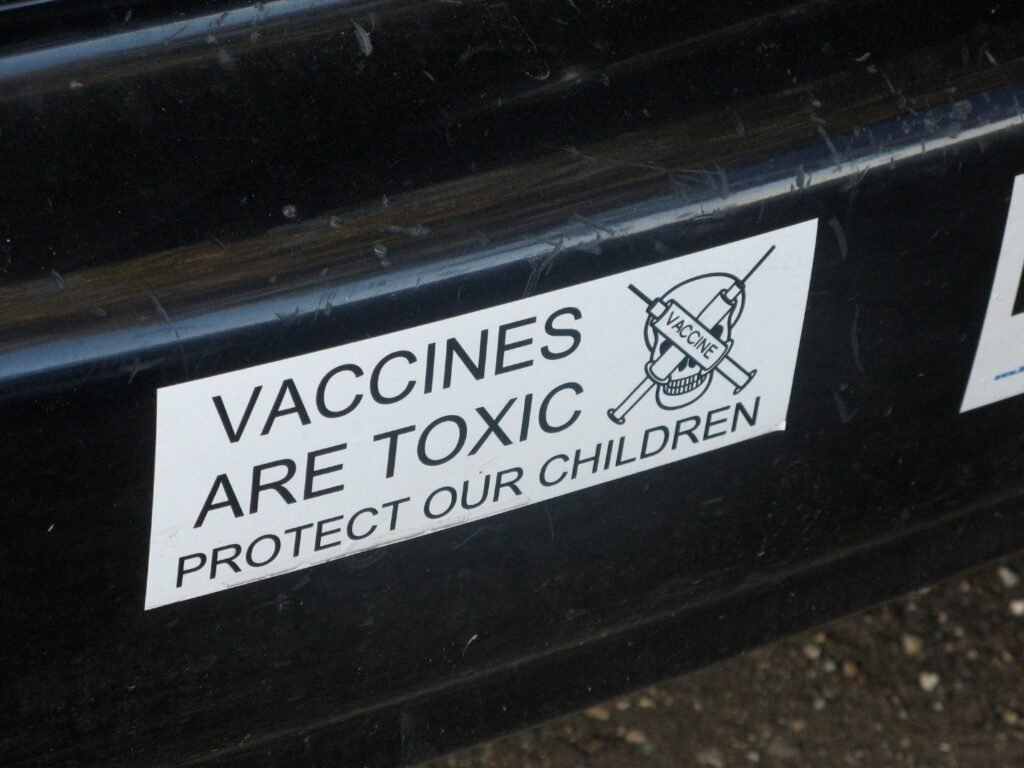
Vaccine hesitancy has grown across the region. Social media platforms flooded communities with misinformation during the pandemic. False claims about vaccine safety spread faster than the facts. Many parents became skeptical about vaccines they once trusted.
Health officials are fighting misinformation on two fronts. They are vaccinating children and also educating parents. Both battles are tough.
Source: Jennifer P. via Flickr.
Migration and Displacement Are Spreading the Virus
Latin America has seen significant population movement in recent years. Millions of Venezuelans have migrated to neighboring countries due to economic and political instability. Displacement camps and border crossings often lack adequate healthcare access.
Unvaccinated individuals moving across borders carry the virus into new communities. Once measles enters an area with low vaccination rates, it spreads rapidly. A single infected person can pass the virus to 12 to 18 others. That is one of the highest transmission rates of any known disease.
Crowded urban areas in Colombia, Peru, and northern Brazil have become hotspots. Local health systems, already stretched thin, are struggling to respond.
Health Systems Are Under Pressure
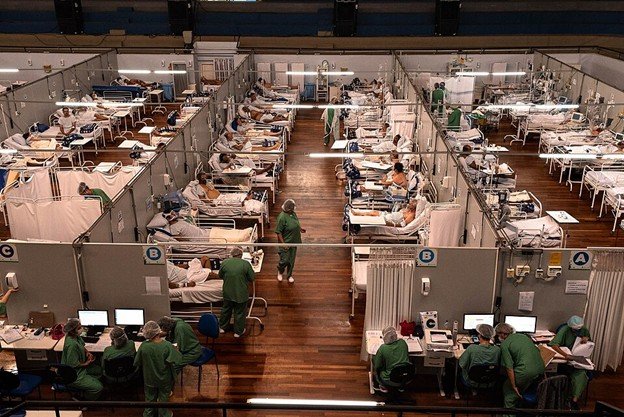
Underfunded public health infrastructure is another major factor. Many Latin American countries face shortages of vaccines, healthcare workers, and cold-chain storage, the refrigerated systems needed to keep vaccines effective during transport and storage.
Rural communities are especially vulnerable. Getting vaccines to remote villages in the Amazon or the Andes is difficult and expensive. When supply chains break down, vaccination drives stall. Communities that were once protected become exposed again.
International health organizations, including PAHO (Pan American Health Organization) and UNICEF, have stepped up aid. But the demand is outpacing the support.
Source: Gustavo Basso via Wikimedia Commons.
What Needs to Happen Now
Stopping this outbreak requires urgent, coordinated action. Governments need to:
- Launch mass vaccination campaigns targeting children under 5
- Rebuild trust with communities affected by misinformation
- Strengthen cold-chain infrastructure in rural regions
- Improve cross-border health coordination to track and respond to outbreaks faster
The good news is that measles is entirely preventable. The MMR vaccine is safe, effective, and widely available. Two doses offer about 97% protection. The science is solid. The challenge is logistics and trust.
Latin America has beaten measles before. In 2016, the region was declared measles-free by the PAHO. Getting back to that milestone is possible, but only if governments, health workers, and communities act together, and fast.
The clock is ticking. Every unvaccinated child is a potential link in a chain of transmission. Breaking that chain starts with a single shot.