Source: Richard Adams via Flickr.
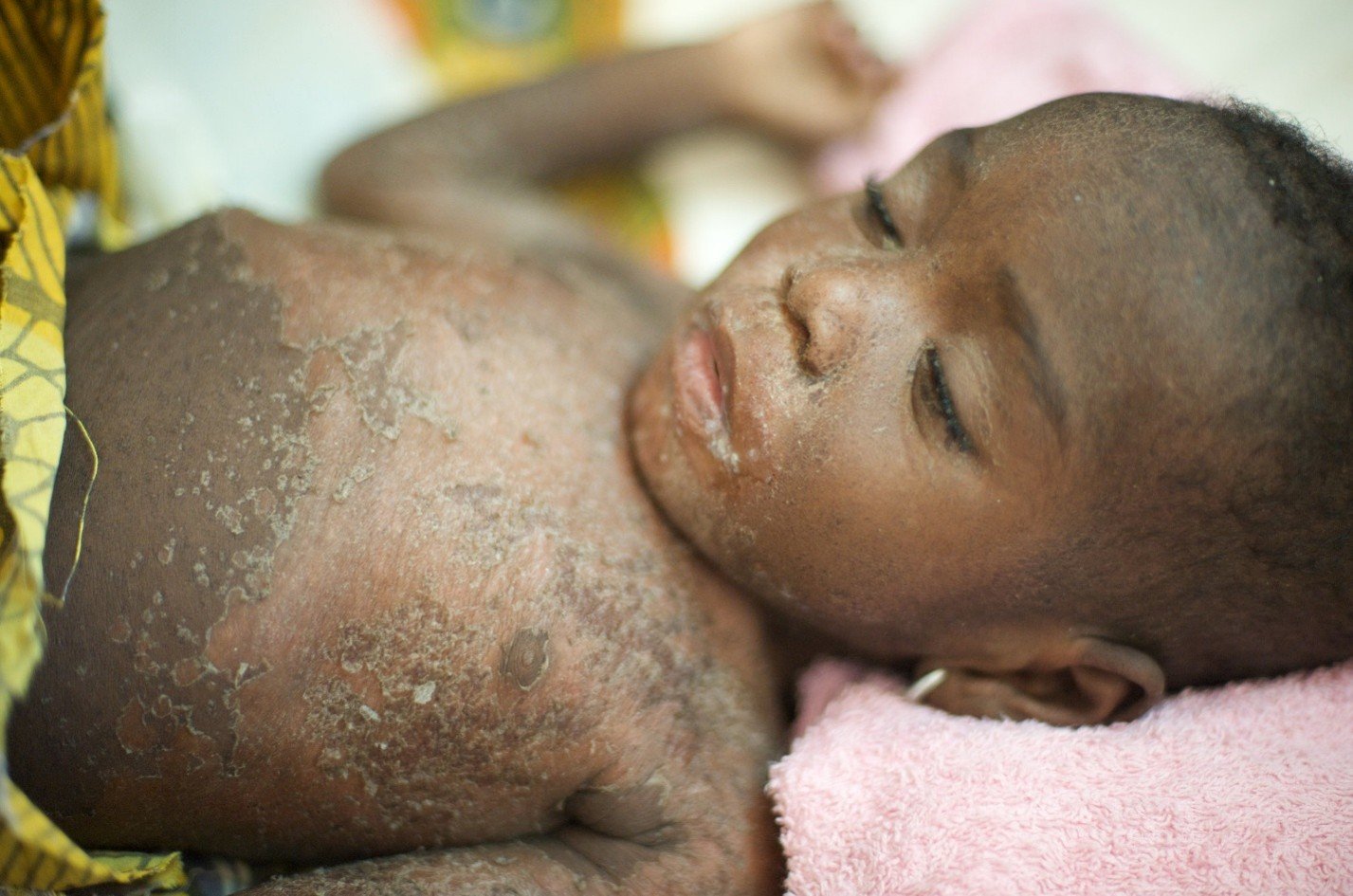
Latin America has faced a steady stream of infectious disease threats over the past decade, including Zika, chikungunya, yellow fever, dengue, measles, and other emerging and re-emerging viruses.
Yet the region still struggles with a fundamental problem: countries can detect an outbreak without having the regional infrastructure to respond to it together.
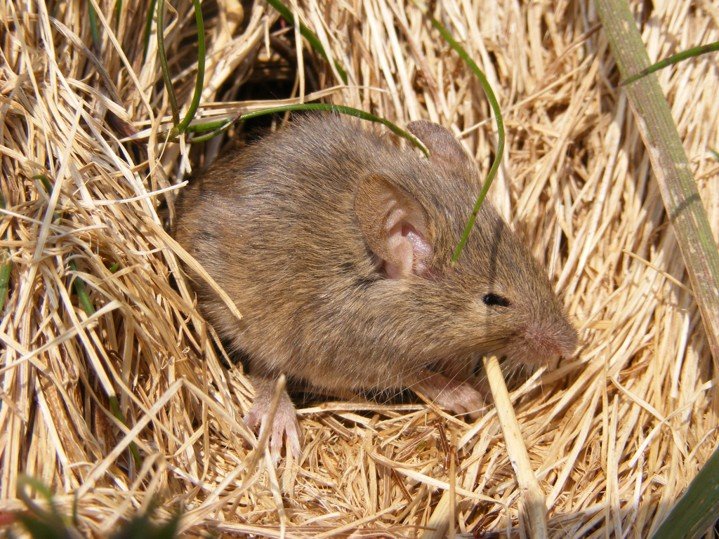
A recent Lancet Comment, “Hantavirus: the need for a rapid regional response platform in Latin America,” by Patricia J. Garcia and colleagues argues that the 2026 hantavirus event should serve as a warning.
The authors call for stronger regional coordination to detect, prepare for, and respond to infectious disease threats before they become international emergencies. In this article, Pathogenos examines their argument and why regional preparedness matters far beyond hantavirus.
Highlights
- Hantavirus exposes Latin America’s preparedness gaps.
- Regional disease threats remain underestimated.
- Stronger regional coordination is urgently needed.
Hantavirus Is the Latest Warning
Concerns over hantavirus were already growing before the 2026 event.
In December 2025, the Pan American Health Organization (PAHO) issued an epidemiological alert calling on countries to strengthen surveillance for hantavirus pulmonary syndrome.
Argentina reported a particularly concerning trend: its case-fatality rate reached 32% in 2025, compared with about 15% during the previous four years.
The Lancet authors use the recent hantavirus event to highlight a broader weakness. Latin America faces recurring infectious disease threats, but countries still have limited mechanisms for coordinating surveillance and response across borders.
The problem is not simply whether individual countries can identify an outbreak. It is whether the region can act collectively once the warning appears.
Latin America’s Outbreaks Are Easy to Underestimate
Source: Cheitz via Flickr.
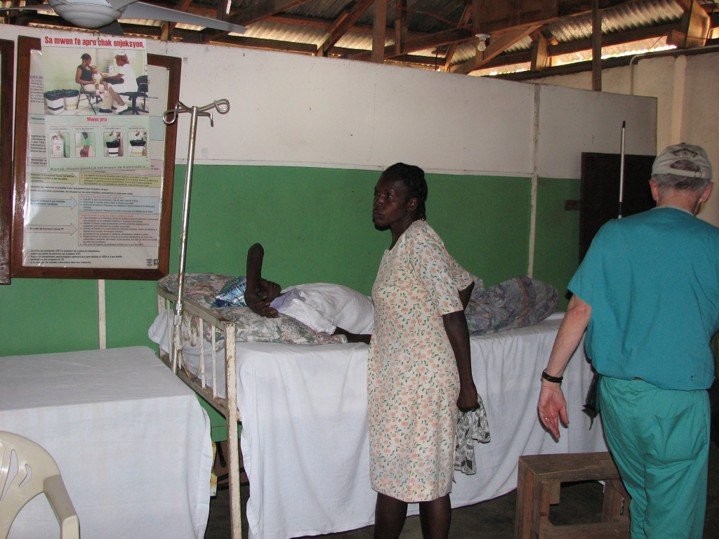
Hantavirus is only one example. Over the past decade, Latin America has confronted Zika, chikungunya, yellow fever, measles, dengue, and other neglected and re-emerging infections.
Climate change, environmental disruption, urbanization, and cross-border movement can further increase these risks.
Dengue shows how easily the world can overlook this burden. The Americas reported more than 13 million cases across 47 countries and territories in 2024, breaking the record already set in 2023.
Despite the strain on health systems, the crisis generated limited global political attention.
This disconnect matters because regional outbreaks do not necessarily remain regional. Locally acquired dengue cases in the United States have demonstrated that transmission can occur beyond areas traditionally associated with the disease.
Travel, migration, changing climates, and expanding vector ranges increasingly connect the health of neighboring countries.
Infectious diseases do not recognize borders. Protecting one country increasingly requires strengthening preparedness in the countries around it.
What Is Missing?
Source: U.S. Navya via Picryl
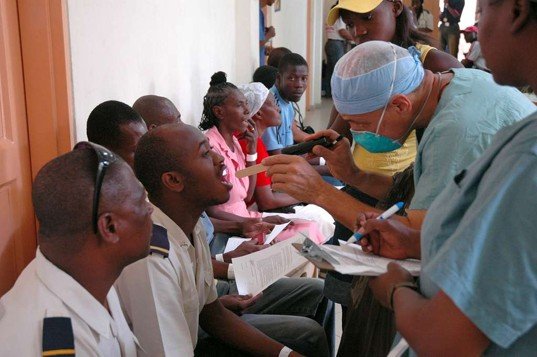
PAHO already plays a critical role in regional health by issuing epidemiological alerts, establishing standards, sharing information, and supporting countries during emergencies.
Garcia and colleagues, however, argue that Latin America also needs stronger regional capacity to turn these recommendations into coordinated action.
Other regions have already developed similar structures. The Africa Centres for Disease Control and Prevention (AfricaCDC) supports health security across Africa, while the Caribbean Public Health Agency (CARPHA) coordinates public health activities among Caribbean countries. Southeast Asia is developing the ASEAN Centre for Public Health Emergencies and Emerging Diseases, and Southeastern Europe has also created regional mechanisms for infectious disease surveillance and control.
Latin America could strengthen its own architecture around the same principle: global organizations can set standards and facilitate international cooperation, countries can lead implementation, and regional platforms can connect the two.
Pathogenos Takeaway
Hantavirus highlights a broader challenge for Latin America: the region cannot prepare for infectious diseases one outbreak at a time.
Stronger surveillance, connected laboratory networks, rapid data sharing, emergency coordination, and reliable access to vaccines and diagnostics could help countries detect and respond to threats earlier.
National governments must lead these efforts, but stronger regional coordination can make them faster and more effective.
An outbreak does not need to become a global emergency before it deserves global attention, strengthening preparedness in Latin America ultimately strengthens global health security.
Stay Ahead of the Next Outbreak
Get evidence-based insights on emerging infectious diseases, outbreak trends, and public health—delivered straight to your inbox.