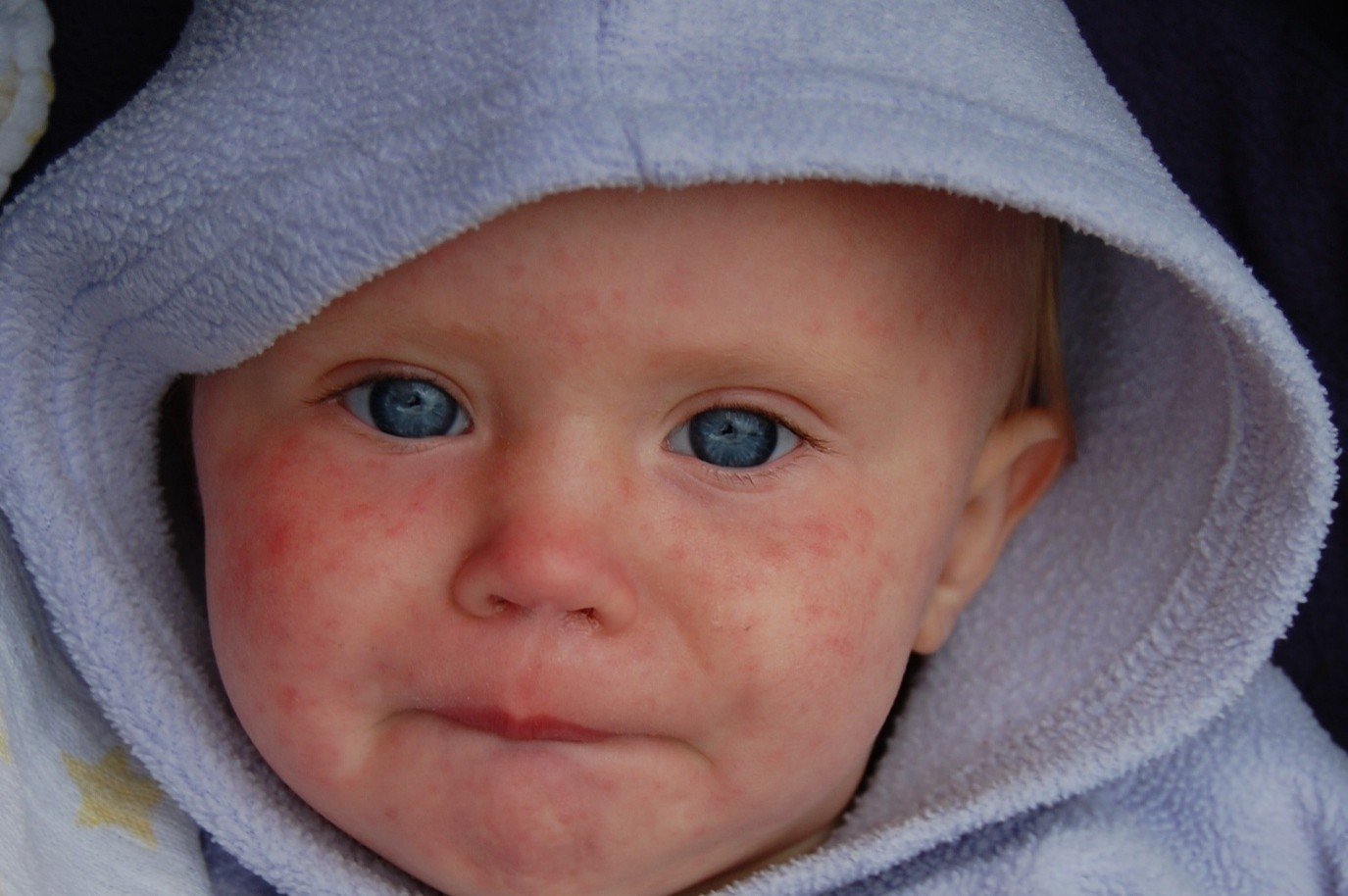
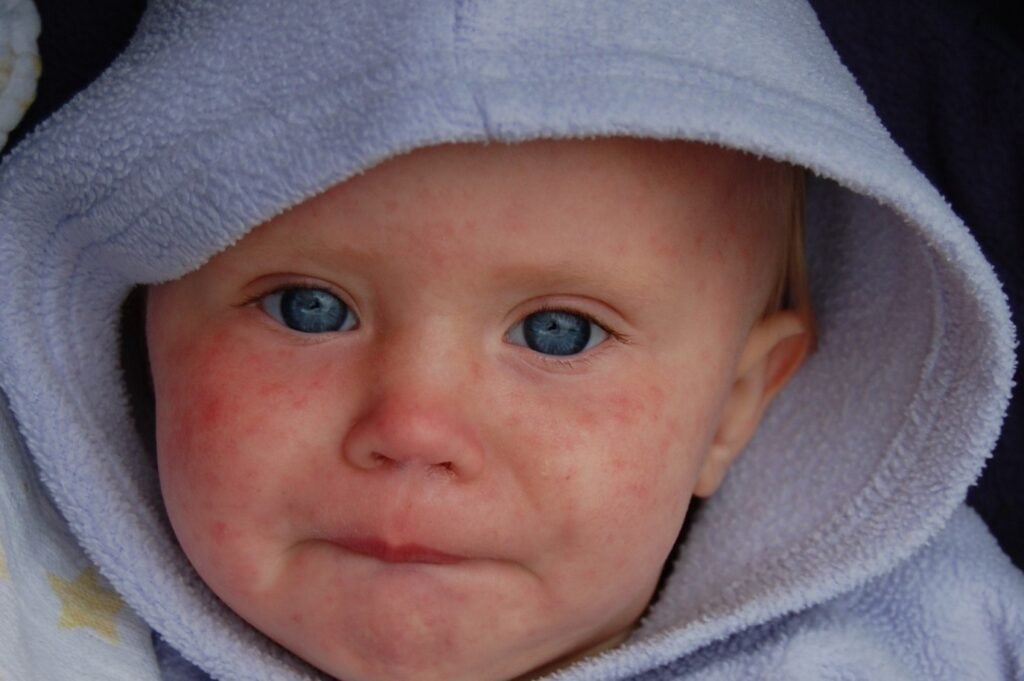



Source: Dave Haygarth via Flickr.
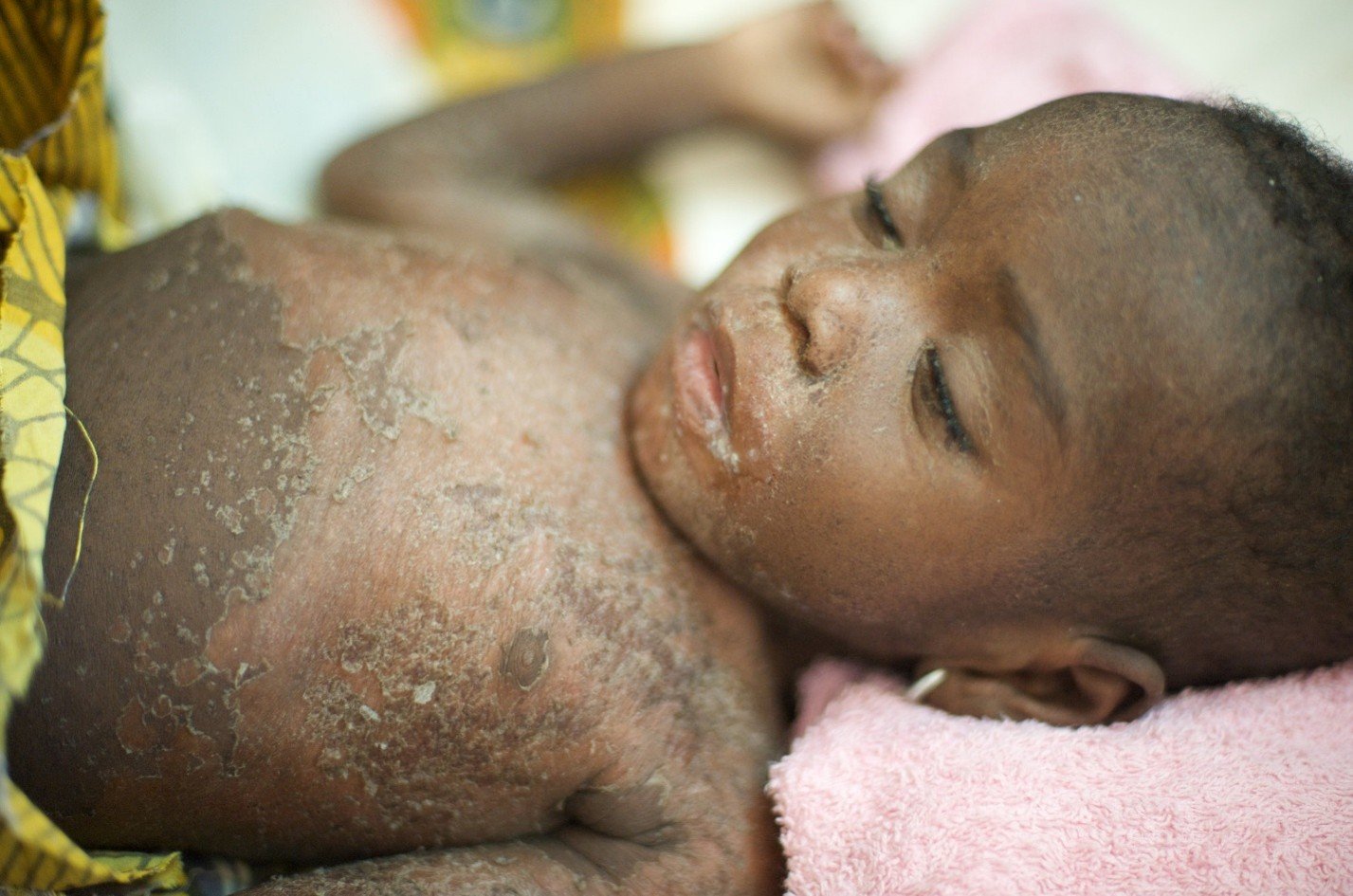
For decades, measles elimination was one of the Americas’ major vaccination successes.
But measles is unforgiving: when immunity gaps accumulate, the virus finds them.
That danger was recently underscored in Pennsylvania, where measles deaths were reported for the first time in decades, a stark reminder that declining population immunity can have fatal consequences.
But the resurgence is not limited to the United States. Across Latin America, the situation is even more concerning.
As of March 2, 2026, Mexico had reported 11,889 confirmed measles cases and 32 deaths. During the first three epidemiological weeks of 2026 alone, Mexico accounted for 740 of the 1,031 confirmed cases reported across seven countries in the Americas.
So, why are measles cases rising so sharply in Mexico?
This article examines the recent commentary from Serván-Mori et al. published in THE LANCET to understand what is driving the outbreak, and what Mexico’s experience reveals about growing immunization gaps across the region.
Key Highlights
- 78% of cases with known vaccination status were unvaccinated.
- MMR first-dose coverage among Mexican children under five was only 71.3%, far below the ≥95% coverage needed to prevent sustained transmission.
- The outbreak exposes more than vaccination gaps: healthcare inequalities, vaccine hesitancy, and disruptions to routine immunization can all weaken population protection.
The Immunity Gap Was Already There
Mexico’s vaccination coverage had been below target before the current outbreak. ENSANUT Continua 2021–2023 reported first-dose MMR coverage of approximately 71.3% among children under five, with lower vaccination completeness in rural communities, highly deprived areas, and households where an Indigenous language is spoken.
These gaps matter because measles is one of the most contagious human viruses. It does not need an entire country to be unvaccinated, it needs a sufficiently large susceptible population.
An Effective Vaccine Is Not Enough
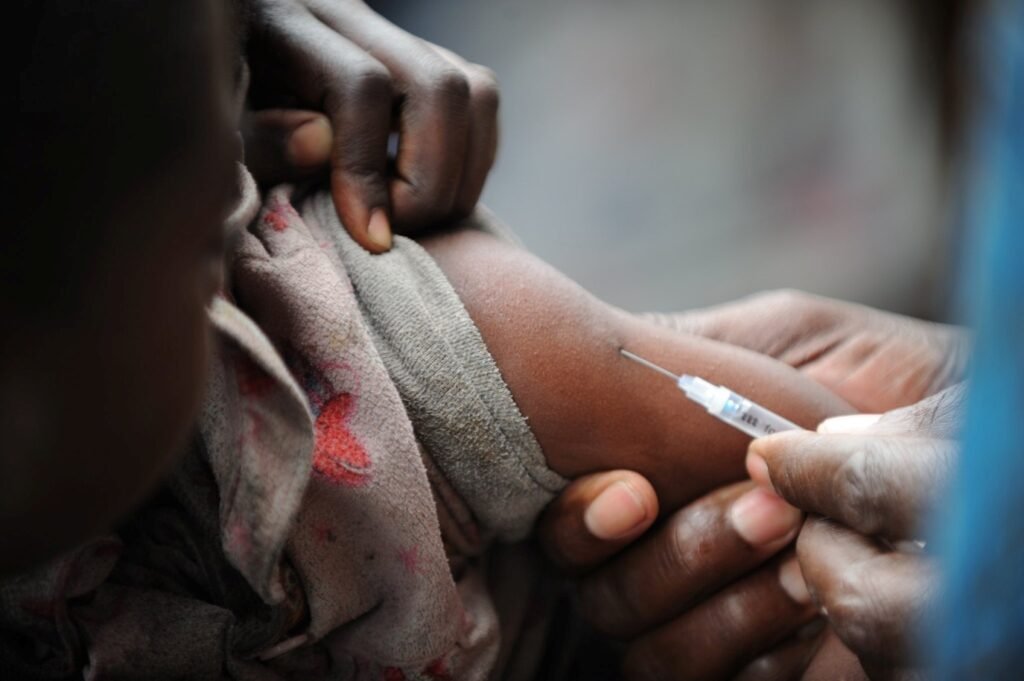
Source: Julien Harneis via Flickr.
The challenge is not vaccine efficacy, but delivering reliable protection at scale and over time. Vaccines must reach communities, second doses must be completed, cases must be detected quickly, and people must trust the vaccination program.
Vaccine hesitancy and misinformation can amplify existing operational gaps.
Vaccine literacy and confidence should therefore be treated as part of immunization performance, not as separate public-health issues.
Health-System Continuity Matters
Between 2019 and 2023, Mexico transitioned from Seguro Popular to INSABI and then IMSS-Bienestar.
Routine immunization depends on consistent planning, financing, logistics, surveillance, staffing, and follow-up. These systems can take years to build but can weaken when responsibilities and resources shift.
The lesson is not that health-system reform caused the outbreak. It is that continuity and execution determine whether vaccines translate into population protection.
Why This Matters for Latin America
Source: Tristan Higbee via Flickr.
Mexico’s outbreak is a warning for Latin America. Vaccination gaps, migration, unequal healthcare access, and vaccine hesitancy can allow measles to spread rapidly across borders.
Elimination is not permanent. Protecting the region requires sustained vaccination coverage, strong surveillance, and targeted efforts to reach communities being missed.
Pathogenos Takeaway
Mexico’s measles resurgence is not evidence that the vaccine failed. It shows what happens when population-level protection becomes difficult to maintain. Disease elimination is an achievement,, but maintaining it requires continuous investment, surveillance, vaccination, and public trust.
Stay ahead of emerging infectious disease threats.
Subscribe to Pathogenos for evidence-based insights on outbreaks, pathogens, vaccines, and the public-health systems shaping disease transmission.

Measles Is Back: What Happened in Mexico?
Measles is surging again in Mexico, with nearly 12,000 confirmed cases and 32 deaths. The outbreak reveals widening immunity gaps driven by low vaccination coverage, healthcare inequalities, and disruptions to routine immunization—and serves as a warning that measles elimination cannot be taken for granted.

What Happens to Your Blood Sample During a Dengue Test?
What happens to your blood sample after a dengue test? Learn how RT-PCR detects dengue virus, why it’s most accurate during the first week of illness, and why timing is critical for diagnosis.
Measles Is Making a Comeback Across the Americas. Here’s What the Latest Data Tell Us.
Measles is resurging across the Americas, with nearly 23,000 confirmed cases reported in 2026. Here’s what the latest PAHO data reveal about the outbreak and why vaccination remains our strongest defense.

Inside the Lab: How Scientists Study Vaccine Hesitancy
Qualitative research helps explain why people accept, delay, or refuse vaccines. By combining findings from multiple studies, systematic reviews can guide more effective vaccination policies across Latin America.
Why Vaccine Hesitancy Persists in Latin America
A review of 56 studies reveals that vaccine hesitancy in Latin America is influenced by much more than misinformation. Trust in healthcare providers, cultural beliefs, access to vaccination services, and clear communication all shape vaccine decisions, offering valuable lessons for improving immunization coverage across the region.

How Immunoblotting Works: Detecting Proteins in Disease Research
Immunoblotting is a powerful laboratory technique that allows scientists to detect specific proteins involved in infection and immunity. By revealing how viruses interact with human cells, it provides critical insights that drive diagnostics, therapeutics, vaccine development, and public health research.