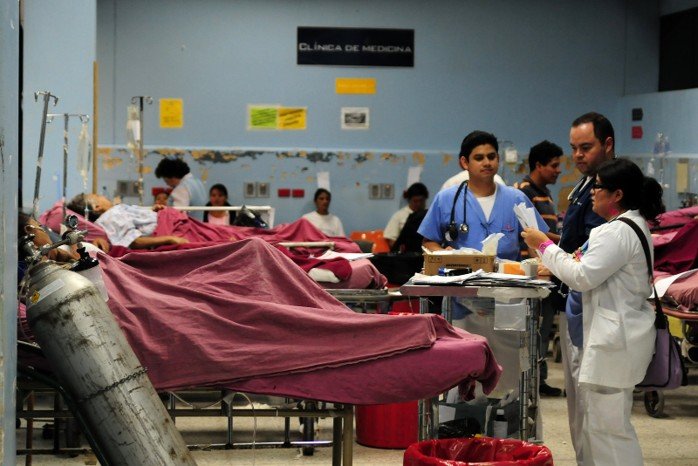
Source: World Bank Photo via Flickr.
Cancer prevention can begin long before a tumor develops, with preventing or treating an infection.
A study published in The Lancet Oncology estimates that infectious agents caused 2.3 million new cancer cases worldwide in 2024, representing about 12% of all new cancers.
For Latin America and the Caribbean, the findings highlight two particularly important contributors: human papillomavirus (HPV) and Helicobacter pylori.
Other infectious agents, including Epstein–Barr virus and hepatitis viruses, also contribute to the region’s cancer burden.
For me, these findings are personal. My mother was diagnosed with an H. pylori infection, making this bacterium more than something to read in scientific literature.
As a woman, the HPV findings also hit close to home. Despite the availability of vaccines such as Gardasil 9 that protect against multiple cancer-causing HPV types, HPV continues to contribute substantially to cervical cancer across Latin America.
So, let’s dive into what the researchers Rumgay et al. found.
Highlights
- ~180,000 cancer cases in South America, Central America, and the Caribbean were attributable to infections.
- HPV and H. pylori were the leading contributors.
- Prevention goes beyond vaccination: infection testing and treatment, plus screening for HPV-related precancer, can reduce cancer risk.
A Regional Burden With Different Patterns
Using the Global Cancer Observatory’s Cancer Today (GLOBOCAN) 2024 estimates, researchers calculated cancers attributable to 12 infectious agents classified as Group 1 carcinogens by the International Agency for Research on Cancer.
In South America, infections accounted for approximately 130,000 cancer cases, or about 12% of all new cancers.
In Central America and the Caribbean, the corresponding estimate was approximately 50,000 cases, or about 13%.
These figures describe cancers estimated to be attributable to infections, not the number of people infected.
Having one of these infections does not mean that someone will develop cancer. Instead, the findings identify opportunities to interrupt pathways through which persistent infections can contribute to malignancy.
HPV: A Leading Contributor
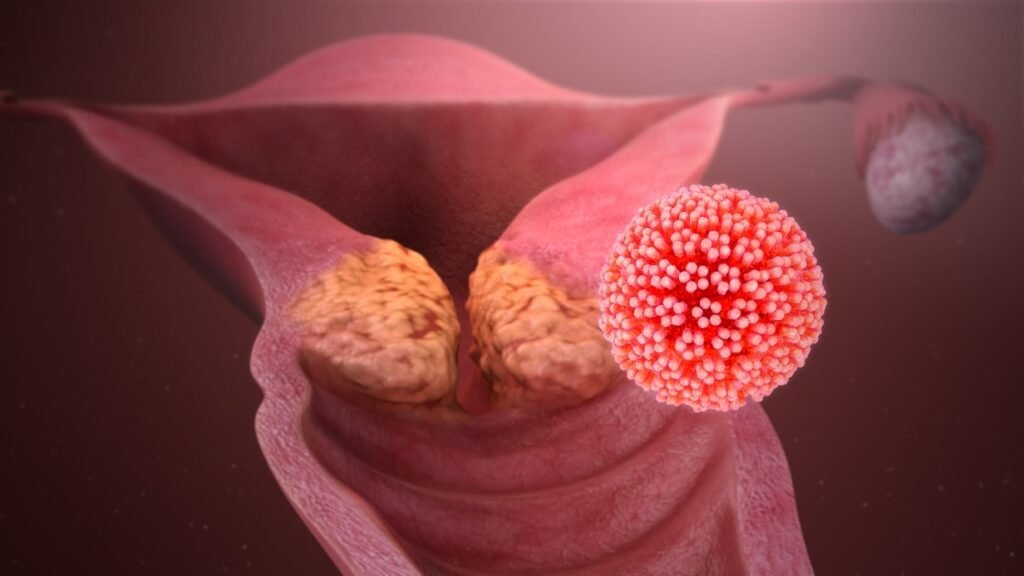
Cervical cancer caused by HPV infection. Source: Scientific Animations via Wikimedia Commons
HPV accounted for approximately 55,000 cancer cases in South America and 24,000 in Central America and the Caribbean.
The analysis attributed essentially all cervical cancers to HPV.
HPV is also causally associated with cancers of the anus, penis, vulva and vagina, as well as a proportion of oropharyngeal cancers.
This makes HPV prevention relevant across sexes, although cervical cancer remains a major public health priority.
The prevention tools are already established: HPV vaccination and screening for HPV-driven precancerous lesions, followed by appropriate treatment. Their impact, however, depends on access and follow-through.
Vaccination, screening, and treatment therefore need to function as a connected prevention pathway.
H. pylori: A Major Stomach Cancer Driver
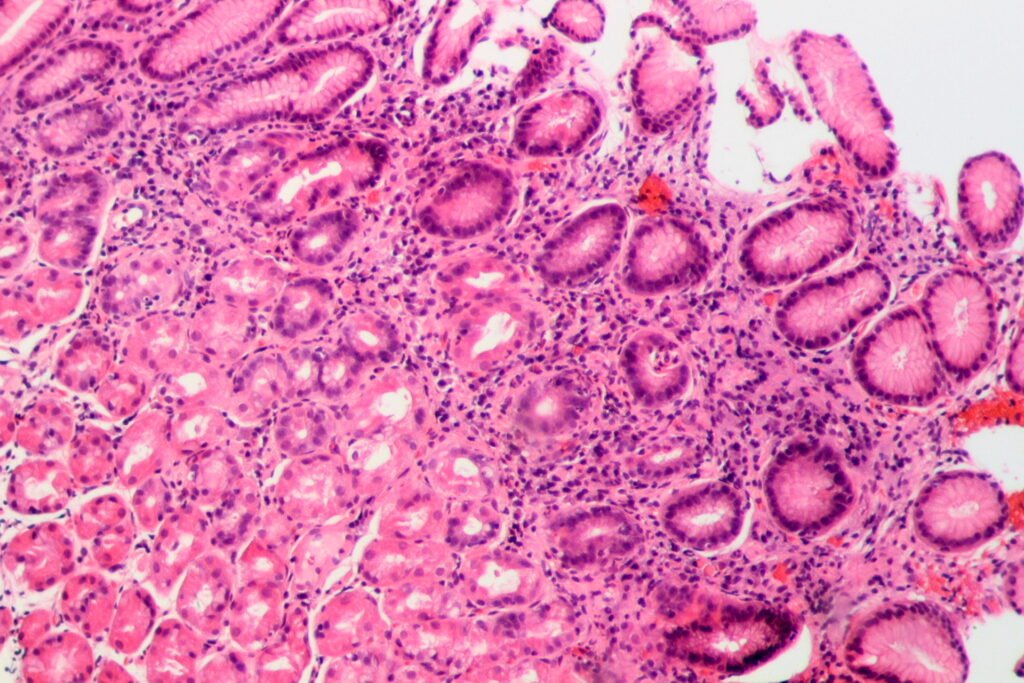
Gastritis due to H. pylori. Source: Patho via Wikimedia Commons.
Helicobacter pylori ( H.pylori), a bacterium that can chronically colonize the stomach, accounted for approximately 51,000 cancer cases in South America and 16,000 in Central America and the Caribbean.
Its cancer burden is driven primarily by gastric cancer and also includes gastric lymphoma.
South America had a substantially higher age-standardized rate of H. pylori-attributable cancer than North America, highlighting important regional differences.
The study identifies H. pylori testing and treatment as scientifically proven but underused approaches to cancer prevention.
This is particularly relevant for regions with a substantial burden of H. pylori-associated gastric cancer.
Beyond HPV and H. pylori
Epstein–Barr virus (EBV) also contributed to the regional cancer burden.
EBV is causally associated with several malignancies, including certain lymphomas and nasopharyngeal carcinoma, and newer evidence has established a role in a proportion of gastric cancers.
The study identifies development of new EBV prevention tools as an important research priority.
Hepatitis B virus (HBV) and hepatitis C virus (HCV) also contribute to infection-attributable cancers, particularly liver cancer.
Established prevention strategies include hepatitis B vaccination, safe injection practices, and testing and treatment for HBV and HCV.
Kaposi sarcoma-associated herpesvirus (KSHV) contributes additional cases, while HIV increases the risk of several cancers largely through immunosuppression.
The analysis accounted for overlapping infection–cancer associations when estimating the overall burden.
Turning Findings Into Prevention
For Latin America and the Caribbean, these findings highlight the connection between infection control and cancer prevention.
HPV and hepatitis B vaccination, HPV screening, H. pylori testing and treatment, and access to hepatitis and HIV care all provide opportunities to reduce infection-attributable cancers.
As with any global modeling study, these estimates depend on available cancer data and evidence linking specific infections to cancer.
They should therefore be viewed as population-level estimates rather than exact case counts.
The public health opportunity is clear: preventing, detecting, and treating cancer-causing infections can help prevent future cancers before they begin.
Stay Informed
Pathogenos connects pathogen research with the public health issues shaping Latin America and beyond. Subscribe to Pathogenos for evidence-based insights on infectious diseases, immunology, outbreaks, and public health, delivered straight to your inbox.