Source: Zac Declerk via Flickr.
Dengue fever is spreading faster than ever. In 2026, health officials are raising alarms across multiple continents. If you live in or plan to travel to a tropical region, you need to know what dengue looks like and when it turns dangerous.
What Is Dengue Fever?
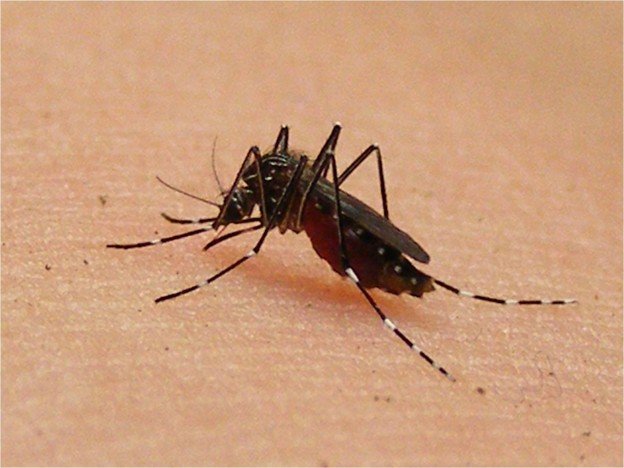
Dengue is a viral infection spread by mosquitoes. The Aedes aegypti mosquito is the main carrier. It bites during the day, unlike most mosquitoes. One bite from an infected mosquito is all it takes.
The virus has four strains. Getting infected once does not protect you from the others. In fact, a second infection often hits harder than the first. That’s what makes dengue so tricky.
Early Warning Signs to Watch For
Dengue symptoms usually appear four to ten days after a mosquito bite. The early stage can feel like a bad flu. Many people brush it off at first.
Watch for these warning signs:
- Sudden high fever, often above 104°F (40°C)
- Severe headache behind the eyes
- Muscle and joint pain (dengue is nicknamed “breakbone fever” for a reason)
- Nausea and vomiting
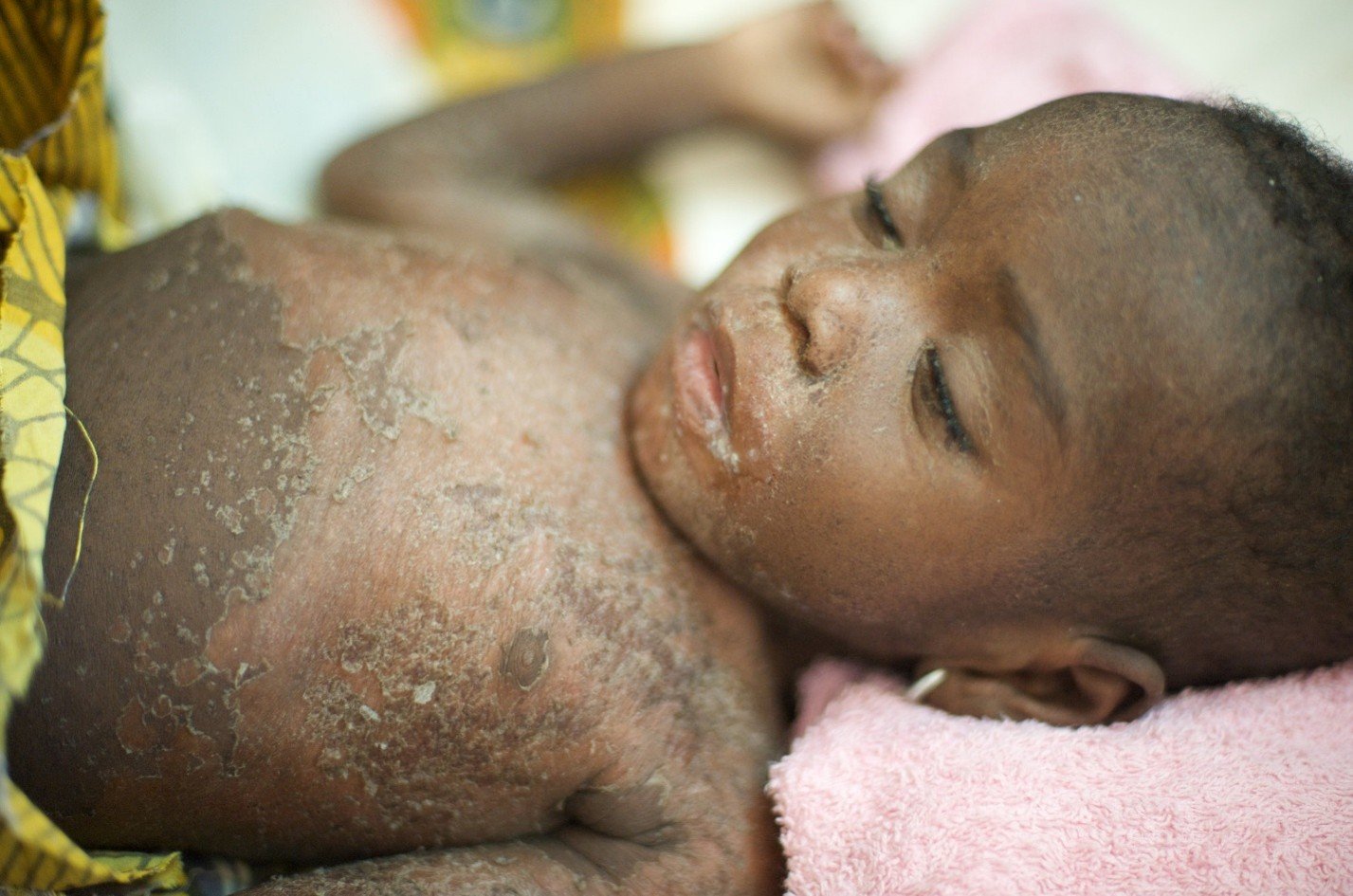
- Skin rash appearing two to five days after the fever starts
- Fatigue and general weakness
These symptoms usually last two to seven days. Rest and fluids help most mild cases. But some cases don’t stay mild.
When Dengue Becomes Severe
Severe dengue is a medical emergency. It can develop fast, often just as the fever seems to break. This window, around days three to seven, is the most dangerous period.
Signs that dengue is turning severe include:
- Stomach pain that won’t go away
- Vomiting three or more times in 24 hours
- Bleeding from the nose or gums
- Blood in urine, stool, or vomit
- Bruising easily under the skin
- Extreme fatigue or restlessness
- Rapid, weak pulse
Severe dengue can cause internal bleeding and organ failure. Without hospital care, it can be fatal. If you or someone you know shows these signs, go to the emergency room immediately.
Where Dengue Risk Is Rising in 2026
Dengue is not new, but its reach is growing. Climate change is expanding mosquito habitats into areas that were once too cool. Here’s where health authorities are paying close attention right now:
- Latin America: Brazil, Colombia, and Argentina reported record dengue cases in late 2024 and 2025. The trend continues into 2026.
- South and Southeast Asia: Countries like Bangladesh, the Philippines, and India remain high-risk zones year-round.
- The Caribbean: Puerto Rico and other islands have seen significant outbreaks in recent seasons.
- Southern United States: Florida, Texas, and Hawaii have reported locally transmitted cases. This is still uncommon but increasing.
- Southern Europe: Countries like Italy and Spain have seen small clusters, a sign of mosquito range expansion.
Travelers heading to any of these regions should take precautions seriously.
How to Protect Yourself
There is no specific antiviral treatment for dengue. Prevention is your best defense.
- Use EPA-registered insect repellent with DEET or picaridin
- Wear long sleeves and pants, especially during daylight hours
- Stay in air-conditioned or screened accommodations
- Eliminate standing water around your home, since that’s where mosquitoes breed
- Ask your doctor about the dengue vaccine (Dengvaxia) if you live in or travel frequently to high-risk areas
Takeway
Dengue is no longer a distant problem. It’s showing up in new places and affecting more people each year. Knowing the early signs can save your life or someone else’s. Act fast if symptoms appear and never wait to seek care if you notice severe warning signs.
Stay informed. Stay protected.
Subscribe to Pathogenos
Want to stay informed about the infectious diseases shaping public health across Latin America and beyond?
At Pathogenos, we translate complex scientific research into clear, accessible insights on emerging pathogens, outbreaks, vaccines, and global health trends. Join our newsletter to receive expert analysis, disease updates, and evidence-based public health content delivered straight to your inbox.
Subscribe today and stay ahead of the next outbreak.